
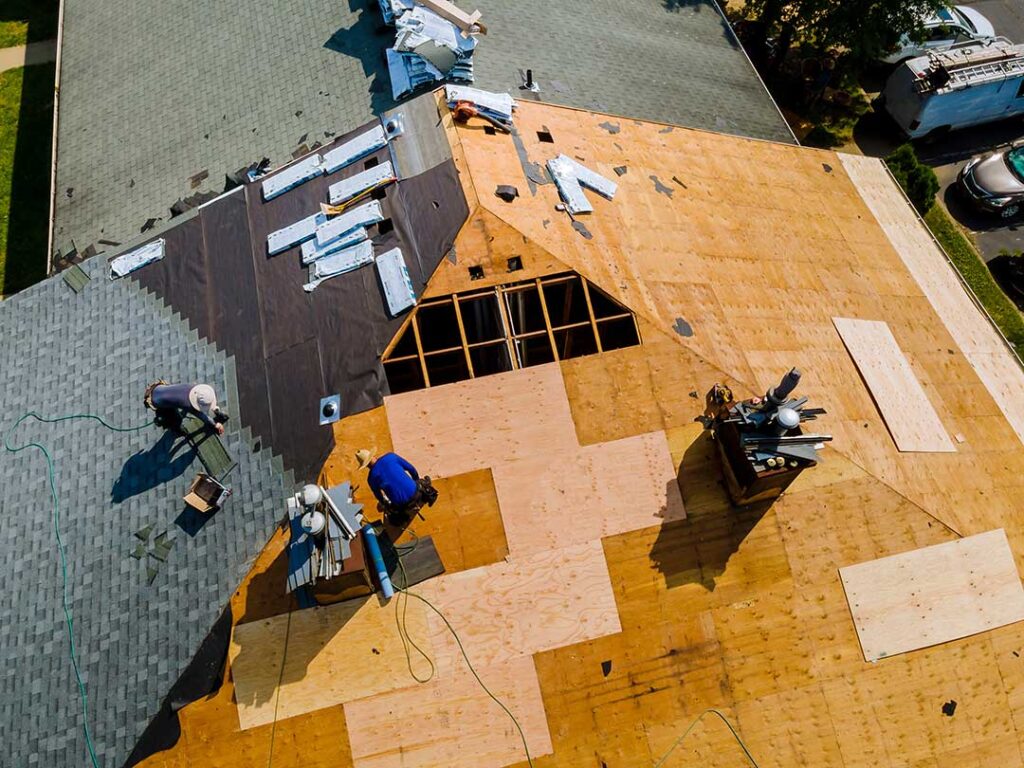
Replacing a roof is often a necessary expense, but the full cost may be difficult to pay all at once. Homeowners in Troy, NY can compare several financing approaches, including savings, personal loans, home equity products, insurance payments, and limited public programs.
The right choice depends on the roof’s urgency, the household budget, available home equity, credit history, and the total cost of borrowing. A low monthly payment does not always mean a low-cost loan.
What should be considered before borrowing for a roof?
Start by separating the roofing need from optional improvements. A roof with active leaks, damaged decking, or storm-related openings may require prompt action. Cosmetic upgrades, ventilation changes, or material upgrades may allow more time for budgeting.
Ask for a written project description that separates:
- Tear-off and disposal
- Shingles or other roofing materials
- Underlayment, flashing, and ventilation
- Decking replacement if needed
- Labor and cleanup
- Permit fees
- Possible additional work discovered after removal
This matters because the initial roofing price may not include deteriorated wood or concealed moisture damage. In an older housing area, especially where homes may have multiple roof layers or complex rooflines, the final cost can differ from the first discussion.
A financing decision should be based on the likely total project cost, not just the smallest advertised payment.
Can savings pay for a roof?
Cash savings are usually the simplest option because there is no interest charge, loan application, or collateral requirement. However, using every dollar available can leave a household unprepared for heating repairs, medical expenses, insurance deductibles, or other emergencies.
A practical approach may be to use part of the available savings and finance the remainder. Keeping a reasonable emergency reserve can be more valuable than avoiding every dollar of interest.
Before using savings, consider whether the roof work is urgent and whether the household can rebuild the reserve within a realistic period. Paying cash is not automatically the best choice if it creates a new financial emergency.
Are personal loans suitable for roof replacement?
An unsecured personal loan does not use the home as collateral. Approval and pricing generally depend on credit history, income, existing debt, and the lender’s rules.
Personal loans may be useful when:
- The project has a defined price
- The borrower wants fixed monthly payments
- There is limited home equity
- The homeowner does not want to place the property at risk
Compare the annual percentage rate, origination fees, repayment period, late charges, and total amount repaid. A longer term may reduce the monthly payment but increase the total interest substantially.
Avoid choosing a loan solely because the payment fits the budget. A loan with a short promotional period or unusual payment structure can become expensive if the balance is not repaid as expected.
What about a home equity loan?
A home equity loan provides a lump sum secured by the property. It often has a fixed interest rate and predictable monthly payments, which can make it easier to budget for a large roofing project.
The main concern is collateral. If payments cannot be made, the home could be at risk. Home equity loans may also involve appraisal costs, closing costs, or other fees. These expenses should be included when comparing the total cost with an unsecured loan.
A home equity loan may be less suitable for a homeowner who has limited income flexibility, expects to move soon, or already carries substantial mortgage and consumer debt.
Is a HELOC a good option for roofing work?
A home equity line of credit, or HELOC, works more like a revolving credit line than a traditional loan. The borrower can draw funds as needed, which may help when the final cost is uncertain because concealed damage could be found after the old roof is removed.
HELOCs commonly have variable interest rates. Monthly payments may change, and payments can increase when the borrowing period ends and full repayment begins. Some plans also charge setup, annual, inactivity, or early-termination fees.
A HELOC should not be treated as free home value. It is secured debt, and missed payments can place the property at risk. Homeowners should ask how the rate can change, when repayment begins, whether there is a minimum draw, and what the payment would be at a higher interest rate.
Should contractor-arranged financing be used?
Financing offered during a roofing transaction may be convenient, but it should be compared with independent options. Review the lender, not only the roofing agreement.
Important questions include:
- Is the interest rate fixed or variable?
- Is there a deferred-interest or promotional period?
- What happens if the balance is not paid before the promotion ends?
- Are there origination, application, or prepayment fees?
- Does the lender pay the contractor before the work is complete?
- Is the loan secured by the home?
- What is the total repayment amount?
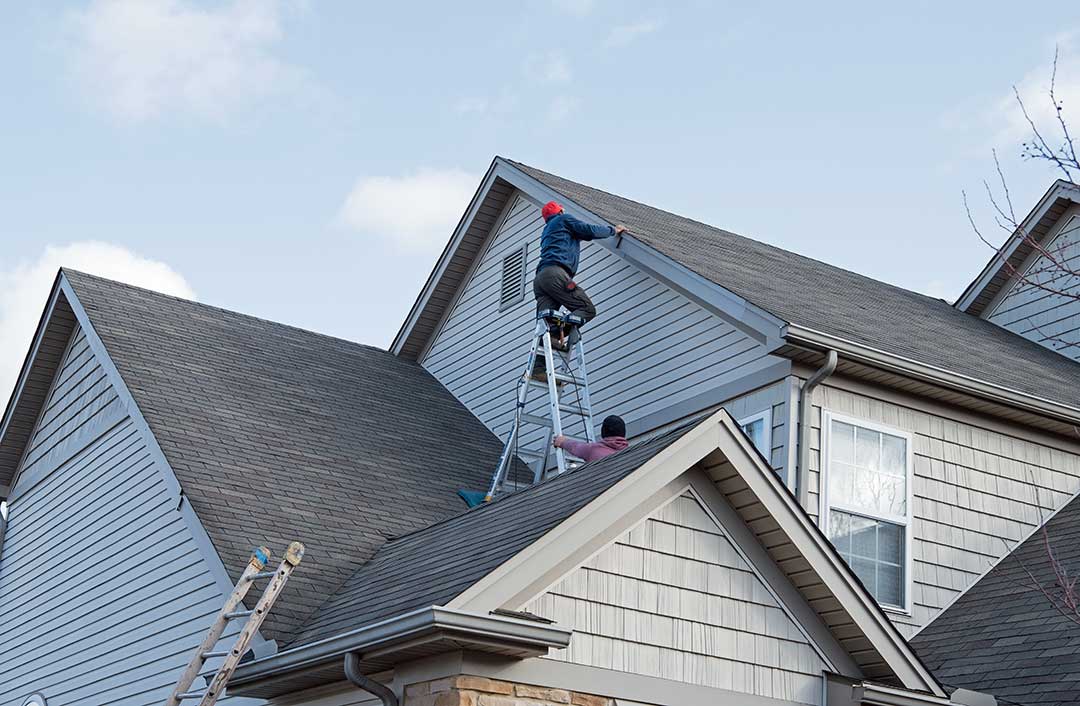
Never sign blank documents or paperwork that has not been read carefully. Pressure to borrow immediately, claims that financing is available only for a few hours, or requests for a large upfront payment are warning signs.
The written roofing contract should also state how payments are tied to the work, what happens if weather delays the project, and how unexpected structural repairs will be approved.
Can homeowners use insurance for roof damage?
Homeowners insurance may cover sudden damage from a covered event, such as certain wind or hail losses. It generally does not cover normal aging, worn shingles, poor maintenance, or damage that developed gradually.
Before assuming insurance will pay, check the policy’s exclusions, deductible, roof-age provisions, and claim procedures. Document the condition with photographs and keep records of temporary measures used to prevent additional interior damage.
An insurance payment may reduce the amount that needs to be financed, but it should not be counted as guaranteed until the claim is reviewed and approved. The deductible remains the homeowner’s responsibility.
Are public programs available for roof-related work?
Some New York State programs support energy-efficiency improvements, weatherization, accessibility, or repairs for qualifying households. These programs may have income, property, location, or project requirements, and funds can be limited or subject to change.
Energy-related financing is not the same as a general roof-replacement loan. A standard roof replacement may not qualify unless it is part of an eligible improvement package. Homeowners should verify current requirements directly through the administering program before including assistance in a budget.
In Troy, roofing work may also require a building permit. Permit fees and inspection requirements should be included in the project budget rather than treated as unexpected expenses.
How can the total financing cost be compared?
Use the same project amount and repayment period when comparing options. A simple comparison should include:
- Amount borrowed
- Annual percentage rate
- Monthly payment
- Total interest
- Origination and closing fees
- Variable-rate risk
- Collateral requirements
- Penalties or fees for early repayment
- Consequences of a missed payment
For example, a five-year loan may cost more each month but less overall than a fifteen-year loan. A longer repayment period may be reasonable for a necessary repair, but it can leave the homeowner paying for the roof long after the materials have aged.
The safest financing choice is generally the one with terms the household can sustain during a period of higher heating costs, reduced income, or another major repair.
What is a sensible process for Troy homeowners?
First, determine whether the roof needs immediate attention or can be planned over several months. Next, obtain a detailed written scope and confirm whether permits, decking, ventilation, and cleanup are included.
Then compare at least two independent financing possibilities before accepting any arrangement presented with the roofing work. Review the complete loan documents, not just a payment estimate. Keep copies of the contract, disclosures, insurance correspondence, permit records, receipts, and proof of payment.
For homes affected by winter ice, heavy rain, wind, or repeated freeze-thaw cycles, postponing necessary repairs can allow water damage to spread into insulation, ceilings, framing, and interior finishes. Financing should therefore balance two concerns: avoiding an unaffordable loan and avoiding a delay that increases the eventual repair bill.
