
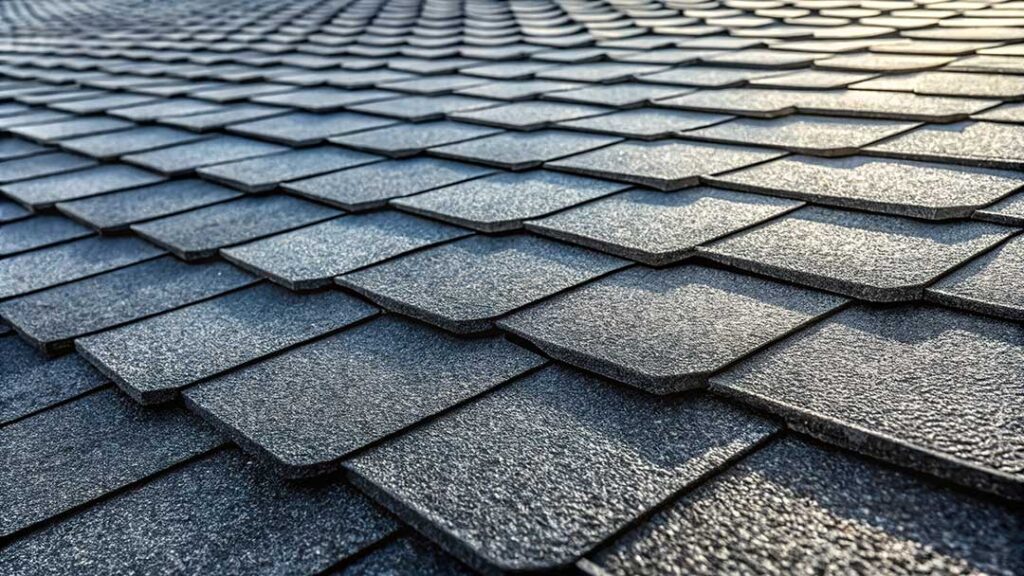
A new roof can improve a home’s marketability, reduce buyer concerns, and protect the property from moisture damage. It does not always increase the sale price by the full cost of replacement, but it can prevent a worn roof from lowering value or complicating a sale.
For homeowners in Troy, NY, the roof is especially important because local homes experience snow, ice, freeze-thaw cycles, wind, heavy rain, and long periods of seasonal temperature changes. These conditions can expose weaknesses that may not be obvious from the ground.
Does a new roof always increase home value?
Not necessarily. A new roof usually adds the most value when the existing roof is near the end of its service life, visibly deteriorated, leaking, or likely to concern buyers during an inspection.
A roof in average but serviceable condition may not create a dramatic increase in appraised value. Roofing is generally considered part of the basic condition of a home rather than a luxury improvement. Replacing it can bring the property up to an expected standard, but the entire project cost may not be recovered through a higher sale price.
The financial effect often comes from three areas:
- Preventing a buyer from requesting a credit or price reduction
- Making the home easier to finance and insure
- Improving buyer confidence and reducing the perceived risk of ownership
A failing roof can subtract more from value than a sound roof adds.
How does a roof affect an appraisal?
An appraiser considers the overall condition, quality, age, and functional usefulness of the property. The roof is one part of that evaluation, along with the foundation, exterior, mechanical systems, interior finishes, and comparable home sales.
A recent roof may support a stronger condition assessment, particularly if it is properly installed and visually consistent with the home. However, an appraiser does not usually add the exact replacement cost to the property value. Spending $15,000 on a roof does not automatically mean the home is worth $15,000 more.
The impact depends on factors such as:
- The age and condition of the old roof
- The quality and expected longevity of the replacement
- Whether there was active leaking or interior damage
- The type and style of the home
- The condition of nearby comparable properties
- Local buyer expectations
- Whether permits or required approvals were handled properly
A roof replacement completed shortly before an appraisal should be documented with invoices, product information, warranties, and any available permit records. These records help establish what work was completed and when.
Why can an old roof make a home harder to sell?
An aging roof introduces uncertainty. Buyers may wonder whether they will face leaks, damaged insulation, rotted sheathing, interior staining, or a major expense soon after closing.
That uncertainty can affect a sale even when the roof has not yet failed. A buyer may:
- Offer less because of the expected replacement cost
- Ask for a closing credit
- Request repairs before closing
- Delay the transaction while obtaining additional inspections
- Choose another home with fewer immediate maintenance concerns
Financing can also become more complicated if the roof appears to have significant defects. Some lenders or insurers may require evidence that major roof problems have been corrected before the transaction can proceed under ordinary terms.
In this situation, a new roof may not create a large premium. Instead, it removes an obstacle that could otherwise reduce the home’s appeal.
Does a new roof improve curb appeal?
Yes, although appearance is only part of the benefit. A roof covers a large portion of the visible exterior, so uneven shingles, dark algae streaks, missing materials, sagging areas, or mismatched repairs can make the entire property appear neglected.
A clean, properly aligned roof can make the home look better maintained. This may influence a buyer’s first impression before they evaluate the kitchen, bathrooms, or living areas.
The replacement should still fit the structure. An overly elaborate material or color may not provide much additional value if it looks out of place with the home’s architecture or surrounding properties. Practical compatibility is usually more valuable than choosing the most expensive option.
What roof features matter most to buyers?
Most buyers are not looking for a roof that is unusually expensive. They generally want one that is dependable, appropriately installed, and unlikely to require major work soon.
Important factors include:
- Clear evidence of recent installation
- Good flashing around chimneys, roof edges, and penetrations
- Adequate attic ventilation
- Proper drainage and functioning gutters
- No visible sagging, exposed fasteners, or missing roofing materials
- Consistent installation without obvious patchwork
- Documentation showing the scope and date of the work
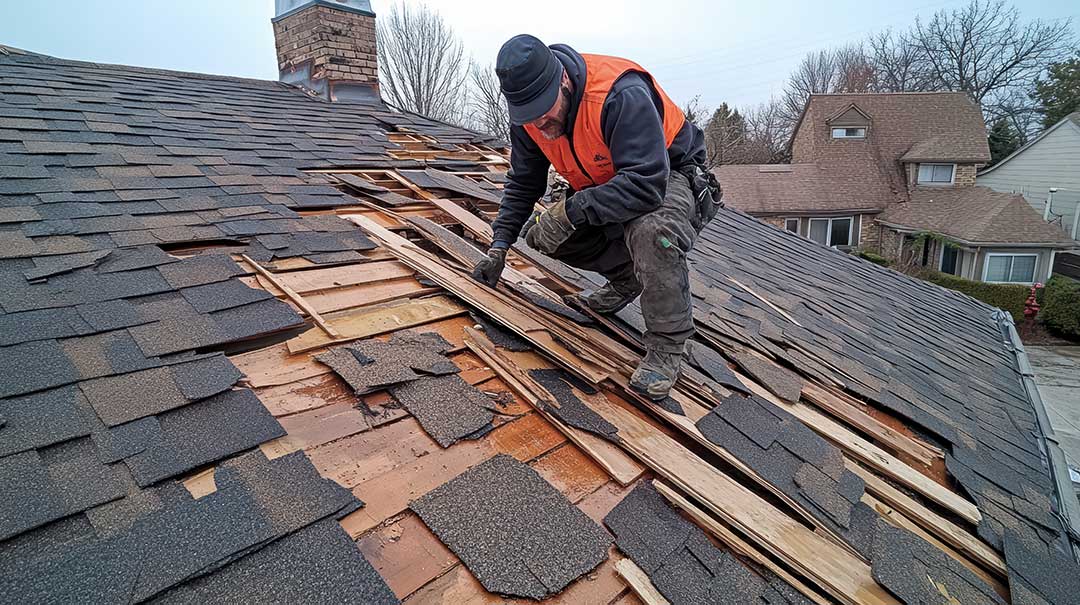
In older housing areas, roof geometry can also matter. Steeply pitched roofs, intersecting rooflines, dormers, masonry features, and older additions can create more complicated drainage and flashing conditions. A replacement that looks new but does not address these details may not deliver the expected long-term benefit.
How do Troy’s seasonal conditions affect roof value?
Snow and ice are part of ordinary winter conditions in Troy, and repeated freezing and thawing can stress roofing materials, flashing, gutters, and drainage paths. Ice buildup can also expose weaknesses at roof edges and around areas where heated and unheated sections meet.
Heavy rain and wind can worsen small defects. A minor opening around a vent or flashing joint may allow water into insulation, ceiling cavities, or wall assemblies before interior damage becomes visible.
For that reason, local buyers may pay close attention to signs of moisture intrusion, attic staining, soft roof decking, musty odors, and poorly managed runoff. A roof’s value is not based only on its appearance from the street. Its ability to manage water and winter conditions matters just as much.
Is repairing a roof better than replacing it before selling?
The answer depends on the roof’s actual condition and the timing of the sale. Repairs may be sensible when the problem is limited to isolated flashing, a small damaged area, or a manageable leak with no widespread deterioration.
Replacement becomes more reasonable when the roof has widespread wear, repeated leaks, substantial loss of surface material, deteriorated decking, or several layers that are no longer performing properly.
A pre-sale replacement can make sense when the roof is likely to become a major negotiation issue. It may be less sensible when the roof is still serviceable and the expected increase in sale price would not justify the cost, disruption, and time involved.
Homeowners should also consider whether other defects are more influential. A new roof may have limited effect if the property still has serious foundation moisture, unsafe electrical work, poor drainage, or extensive interior damage.
What should homeowners document after a replacement?
Good records can protect the value created by the work. Keep copies of:
- The contract and final invoice
- Dates of installation
- Roofing material details
- Warranty information
- Permit or inspection records, when applicable
- Photos showing the roof before and after replacement
- Documentation of related repairs, such as sheathing or flashing work
These materials give future buyers and appraisers a clearer understanding of the roof’s age and condition.
The practical value of a new roof is usually strongest when it is part of a well-maintained home. It protects the structure, reduces uncertainty, supports a smoother inspection, and helps buyers understand that a major exterior system is not immediately due for replacement.
