
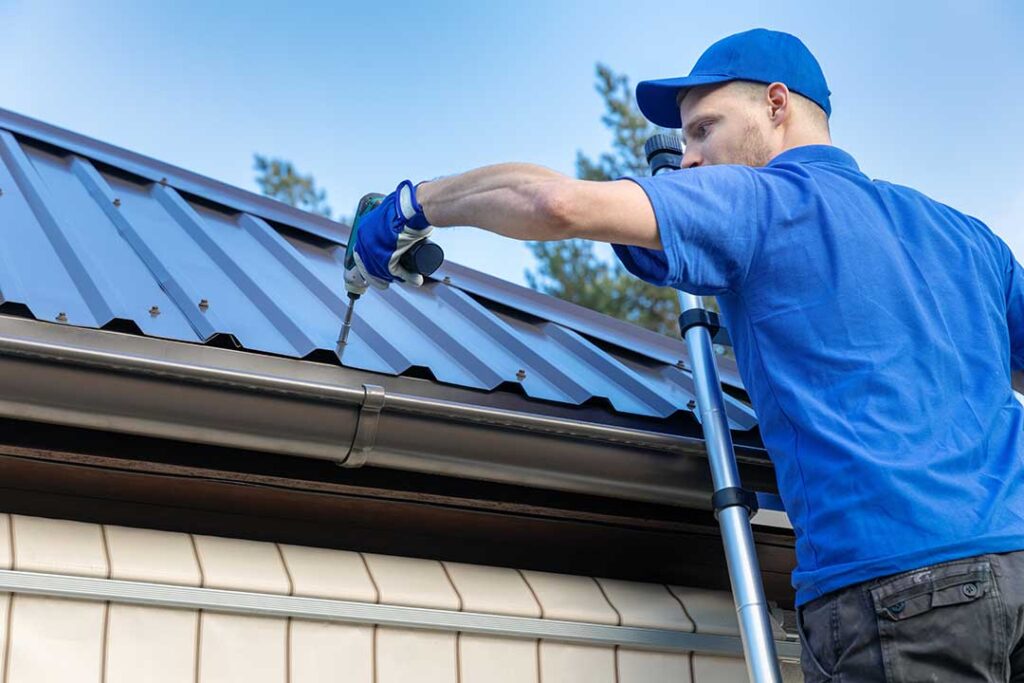
Roof coatings can extend the useful life of some roofs, improve water resistance, and reduce heat absorption. They are not a universal replacement for a new roof, and they cannot correct major structural damage, widespread leaks, or a failing roof system.
For homeowners in Troy, NY, the decision depends on the roof’s existing condition, the coating material, drainage, seasonal weather, and whether the roof is designed to accept a coating. A coating may be practical for a sound low-slope roof, but it is often the wrong solution for a roof with advanced deterioration.
What is a roof coating?
A roof coating is a fluid-applied material spread over an existing roof surface. After curing, it forms a continuous protective layer. Common coating types include acrylic, silicone, polyurethane, and rubber-based products.
Coatings are different from replacement roofing materials. They do not normally add structural strength, replace damaged decking, or rebuild deteriorated flashing. Their main purpose is to protect and seal an existing roof that is still fundamentally sound.
Some coatings are reflective and light-colored, while others are selected mainly for waterproofing, flexibility, or resistance to foot traffic. The right material depends on the roof surface and the conditions it must withstand.
What are the main benefits?
The biggest benefit is that a suitable coating can add a protective layer without removing the entire existing roof. That may reduce construction waste and limit disruption to a building.
Other potential advantages include:
- Additional water resistance: A continuous coating can cover small surface defects and reduce the number of exposed seams.
- Protection from ultraviolet light: Sunlight gradually breaks down many roofing materials. A coating can shield the roof surface from some ultraviolet exposure.
- Longer service life: If the underlying roof is in fair condition, coating may delay replacement by protecting vulnerable areas.
- Reduced surface temperature: Reflective coatings can keep a roof surface cooler during sunny summer weather. This may reduce heat transfer into upper floors, although actual energy savings vary.
- Less tear-off waste: Because the existing roof may remain in place, coating work can produce less waste than full replacement.
- Seam and detail coverage: On some low-slope roofs, a properly applied coating can reinforce seams, fasteners, and transitions when combined with compatible preparation materials.
These benefits are most likely when the roof has good drainage, limited damage, and enough remaining service life to justify additional protection.
What are the disadvantages?
A roof coating is not a cure for every roofing problem. Its performance depends heavily on preparation, product compatibility, weather during installation, and the condition of the roof underneath.
Important limitations include:
- It cannot repair major structural damage: Rotten decking, sagging areas, separated roof layers, and severe deterioration require more extensive work.
- It may not stop active leaks by itself: Water can enter through failed flashing, open seams, damaged penetrations, or concealed defects that coating does not properly address.
- Preparation can be extensive: Dirt, loose material, ponding water, algae, grease, and deteriorated sections must be addressed before coating. Skipping preparation often leads to peeling or premature failure.
- The coating can hide problems: Once covered, defects may be harder to see during future inspections. Records and photographs of repairs become especially useful.
- Not every surface is compatible: Some coatings do not adhere well to certain membranes, metal finishes, asphalt surfaces, or previously applied products.
- Application depends on weather: Cold temperatures, rain, frost, high humidity, and trapped moisture can interfere with curing.
- Maintenance remains necessary: A coated roof still needs inspections, drain cleaning, flashing checks, and prompt attention to new damage.
- The finish may be vulnerable to traffic: Repeated foot traffic, falling branches, snow-removal activity, or equipment movement can damage some coating systems.
In a region with cold winters, freeze-thaw cycles, snow, and spring moisture, small defects can expand or become more noticeable over time. A coating should be viewed as a maintenance strategy, not a maintenance-free surface.
Which roofs are usually good candidates?
A coating is generally more suitable when the existing roof is structurally sound and the damage is limited.
Potentially suitable conditions include:
- A low-slope or nearly flat roof with intact decking
- A roof with minor surface aging but no widespread failure
- Seams, fasteners, and flashing that can be repaired before application
- Drains and gutters that function properly
- A surface that can be cleaned and dried adequately
- An existing roof material that is compatible with the selected coating
Coatings are often considered for commercial-style low-slope roofs, porch roofs, additions, garages, and other roof sections where water drainage is a major concern. A coating may also be useful where the roof has several years of remaining service life but needs additional surface protection.
When is coating the wrong choice?
Replacement or more extensive repair is usually more appropriate when the roof has widespread leaks, extensive blistering, soft decking, major ponding, severe rust, large open seams, or multiple layers that are already failing.
A roof may also be a poor candidate when:
- Water remains on the surface for long periods
- The existing membrane is shrinking, splitting, or pulling away from edges
- Insulation or decking is wet
- Flashing is broadly deteriorated
- The roof has suffered storm damage
- The coating would cover defects that have not been documented or corrected
- The remaining life of the roof is too short to justify the added work
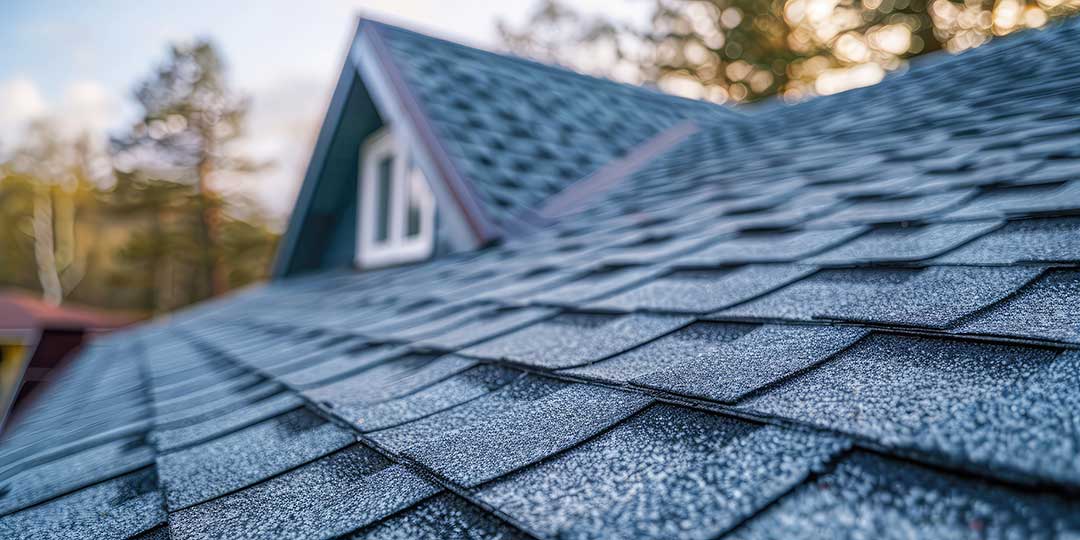
Coating over a failing roof can create the appearance of improvement without resolving the underlying cause. That can make later repairs more complicated and may increase the total cost of correcting the problem.
Does a roof coating help with winter conditions?
It can help protect the roof surface, but it does not prevent every winter-related problem. A coating may reduce water entry through minor surface imperfections and protect certain materials from weather exposure. It does not eliminate snow load, ice formation, blocked drains, or damage caused by expanding water.
Winter performance also depends on flexibility. A coating that becomes brittle in cold temperatures may crack as the roof expands and contracts. Product specifications should match the roof’s expected temperature range and movement.
Snow should not be treated as harmless simply because a roof has been coated. Excessive accumulation, drifting, and ice dams can still create stress and water intrusion.
Are reflective coatings worth considering?
Reflective coatings can be useful on roofs that receive strong summer sun, especially low-slope roofs over occupied spaces. By reflecting more sunlight, they may reduce surface temperatures and lessen heat gain during warm weather.
The benefit may be smaller on shaded roofs, well-insulated buildings, or roofs where heating costs dominate the annual energy demand. In a northern climate, winter heating performance also matters. A coating selected only for summer reflectivity may not deliver a meaningful year-round benefit for every building.
Energy savings should be treated as a possible secondary advantage rather than the only reason to coat a roof.
What should be checked before coating?
A careful evaluation should answer several basic questions:
- Is the roof structurally sound?
- Where are the actual leak sources?
- Is moisture trapped beneath the surface?
- Does the roof drain properly after rain?
- Are flashing, vents, curbs, and edge details secure?
- Is the proposed coating compatible with the existing roof?
- Can the coating be applied and cured under current seasonal conditions?
- Will the finished surface allow future repairs and inspections?
Photographs, repair notes, and product information should be retained. These records help distinguish normal aging from new damage and reduce uncertainty during future maintenance.
The practical question is not simply whether a coating can be applied. It is whether the existing roof is sound enough that a coating will protect it rather than conceal its decline.
