
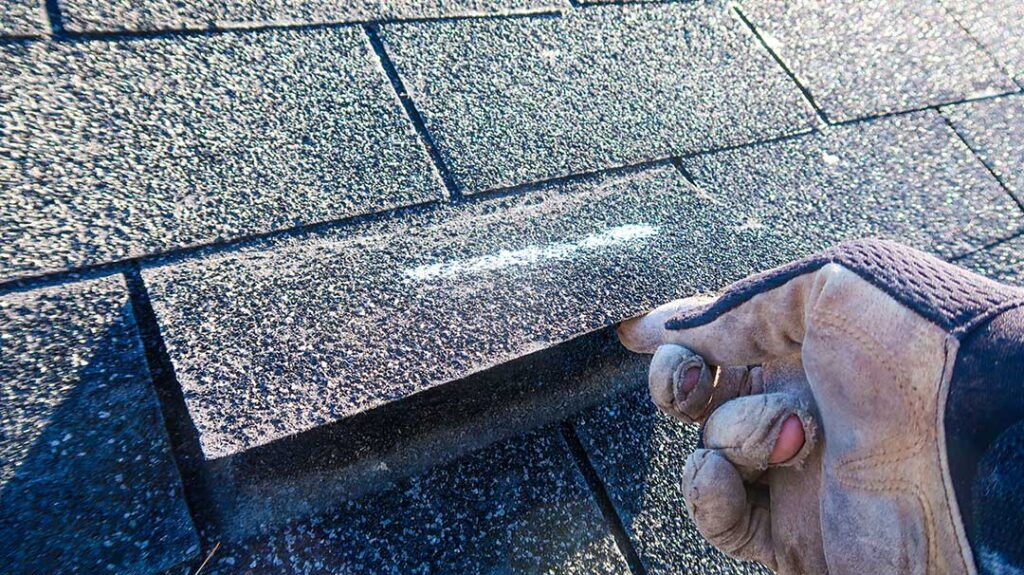
Walking on a roof is riskier than it may appear. Sloped surfaces, loose roofing materials, hidden weak spots, ladders, overhead wires, and changing weather can turn a brief inspection into a serious fall hazard. For residents of Troy, NY, winter snow, freeze-thaw cycles, damp spring weather, and aging housing stock can add additional risks.
The safest approach is to avoid climbing onto the roof unless the task truly requires it. Many conditions can be checked from the ground, attic, upper-floor window, or a properly positioned ladder without stepping onto the roofing surface.
Is it safe for a homeowner to walk on a roof?
A homeowner should walk on a roof only when the surface is dry, stable, accessible, and free from obvious hazards—and only for a limited task that can be completed without approaching an unprotected edge.
A roof is not a normal walking surface. Even a roof that looks sound may have deteriorated decking beneath the shingles. Areas around chimneys, skylights, valleys, roof edges, plumbing vents, and previous repairs may be weaker than surrounding sections.
Do not walk on a roof if:
- Snow, ice, frost, dew, or rain is present.
- Shingles are loose, brittle, curled, or covered with moss.
- The roof has a steep pitch or multiple levels.
- Wind could affect balance or ladder stability.
- You cannot clearly see the entire walking path.
- The roof deck feels soft, spongy, or uneven.
- Power lines are near the ladder or roof edge.
- You are carrying tools, equipment, or bulky materials.
- You are uncomfortable with heights or have balance limitations.
A fall from a low roof can still cause severe injury. Gutters, fences, lower roofs, masonry, and hard ground can create dangerous landing areas.
What should be checked before climbing?
Inspect the roof from the ground first. Look for the safest access point, identify obstacles, and consider whether the issue can be documented with binoculars or a camera mounted on a pole.
Check the weather and the roof surface. A sunny day does not guarantee safe conditions if the roof is still damp from overnight moisture. In colder months, thin ice can remain in shaded areas even after nearby surfaces appear clear.
In Troy, winter storms and repeated freezing and thawing can create hidden problems. Snow may conceal damaged shingles, open flashing, or weak decking. Ice buildup can also make both the roof and ladder dangerously slippery. Snow should not be treated as a stable walking surface.
Check the ladder before using it. It should be free of damage, placed on firm level ground, and positioned so it cannot slide or shift. Keep the area around the ladder clear of children, pets, vehicles, and objects that could interfere with climbing.
Never place a ladder where it could contact an overhead electrical line. Maintain generous clearance from electrical equipment and service wires, and do not assume that an insulated-looking line is safe to touch.
How should a person walk on a sloped roof?
Move slowly and keep your body facing the slope whenever possible. Use short, deliberate steps rather than a normal stride. A wider stance improves balance, and placing each foot carefully reduces the chance of stepping on a loose shingle or hidden defect.
When walking across a sloped surface, many safety specialists recommend moving in a controlled zigzag pattern rather than taking long diagonal steps. Keep your center of gravity low without crouching so far that you lose control.
Use three points of contact whenever practical. This may mean keeping two feet and one hand in contact with a stable surface, or using a properly installed roof-access system designed for the task. Do not rely on gutters, vents, chimney caps, skylights, or decorative roof features for support.
Avoid stepping directly on the exposed edges of shingles. Asphalt shingles can crack, lose their protective surface, or become detached when handled or stepped on improperly. Foot placement is generally more secure over the lower portions of the shingle field, but no shingle area should be assumed safe if the roof is aged, brittle, wet, or damaged.
Do not jump across valleys, step over ridges, or move backward without looking. Keep tools in a belt or hoist them separately rather than carrying them in both hands.
What footwear is safest?
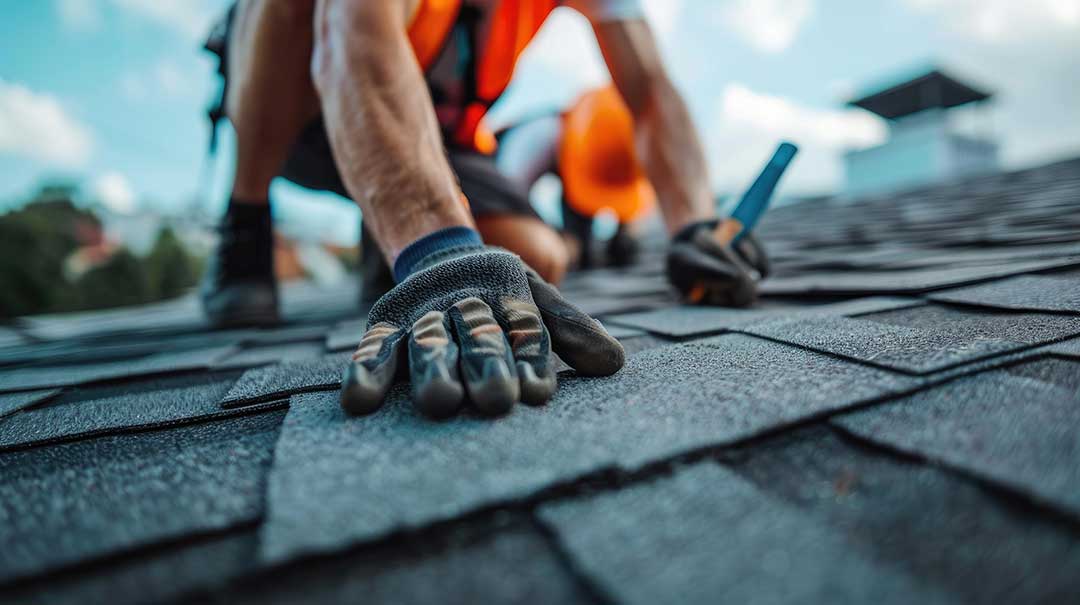
Wear clean, slip-resistant footwear with soles that provide dependable traction. Shoes should fit securely and should not have mud, oil, snow, or gravel embedded in the tread.
Avoid smooth-soled shoes, worn sneakers, sandals, and heavy boots that reduce foot control. Soft rubber soles may grip well on some dry surfaces, but they can also collect debris and become slippery when wet.
Before stepping onto the roof, check the soles for small stones or grit. These particles can damage shingles and reduce traction. Do not use roof shoes as a substitute for fall protection, proper access equipment, or favorable weather.
How can someone reduce fall risk near the edge?
Stay well away from roof edges unless the task specifically requires edge work and a suitable fall-protection system is in place. A person can lose balance from a slip, gust of wind, loose material, or sudden movement without feeling close to the edge beforehand.
Do not assume that a gutter, short parapet, rake board, or low roof extension will stop a fall. These features may break away or provide no meaningful protection.
For construction, repair, or maintenance work at elevation, fall protection may include guardrails, safety nets, or a properly designed personal fall-arrest system. Such systems require the correct anchor, compatible equipment, training, and an emergency plan. A harness clipped to an unsuitable chimney, vent, pipe, or improvised anchor is not reliable protection.
A rope tied around a chimney or ladder is not an acceptable substitute for a properly designed system.
Are some roof materials unsafe to walk on?
Yes. Roofing materials differ in both strength and walking tolerance.
Asphalt shingles may be damaged by foot traffic, especially in hot weather when they soften or in cold weather when they become brittle. Metal roofing can be extremely slippery when wet, frosted, or dusty. Slate, clay tile, and older cement roofing products can crack under concentrated weight. Membrane roofs may conceal weak decking or puncture easily.
Solar panels should not be stepped on. Skylights are particularly dangerous because some appear solid but are not designed to support a person. Corrugated plastic panels, deteriorated porch roofs, and covered additions also require caution because their load capacity may be limited.
If the roofing material is unfamiliar, fragile, or visibly deteriorated, do not walk on it.
What should be done after a slip or suspected roof damage?
Stop moving immediately and regain stable footing before trying to continue. Do not rush toward the ladder or edge. If the roof surface shifts, cracks, flexes, or feels soft, retreat along the same stable route if possible.
After a fall, even a short one, seek medical evaluation for pain, dizziness, head impact, neck discomfort, or difficulty bearing weight. Some injuries are not obvious immediately.
If a roof has sagging areas, widespread snow or ice accumulation, exposed decking, damaged structural members, or signs of possible collapse, stay off the roof and keep people away from the area below. Roof loading can change as snow melts, refreezes, or becomes saturated, making winter conditions especially unpredictable.
For many inspections, ground-level observation and photographs provide enough information without creating a second hazard. A roof does not need to be climbed simply because a problem is visible from below.
