
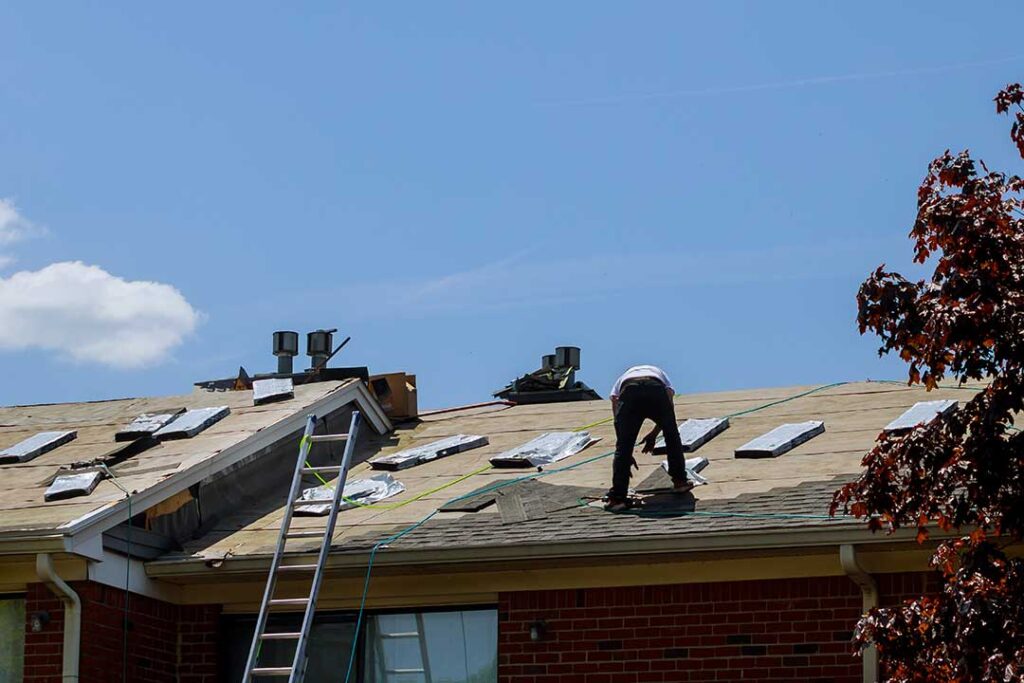
Why renovations can put a roof at risk
Home renovations create temporary hazards that are easy to overlook. Roofing materials can be damaged by foot traffic, falling debris, misplaced ladders, vibration, dust, and weather exposure after part of a building envelope has been opened.
In Troy, NY, renovation planning also needs to account for changing weather. Rain, freeze-thaw cycles, snow, wind, and summer heat can affect exposed roofing materials and unfinished roof-to-wall connections. A roof that appears intact from the ground may still be vulnerable around flashing, vents, valleys, skylights, and roof edges.
The safest approach is to treat the roof as an active work area even when the main project involves siding, windows, masonry, an addition, or interior remodeling.
Which renovation activities can damage a roof?
Several common projects create roofing risks even when no roof replacement is planned.
- Roof-adjacent additions: New walls, dormers, porches, and extensions often require cutting into existing roofing or changing drainage paths.
- Siding and window work: Workers may place ladders against roof edges, step onto shingles, or remove trim that helps protect wall-to-roof intersections.
- Chimney and masonry repairs: Mortar, bricks, tools, and demolition debris can fall onto the roof surface or clog gutters.
- Solar, satellite, or electrical work: New penetrations must be sealed correctly, and walking paths should be planned before equipment is carried up.
- Painting and exterior cleaning: Overspray, solvents, pressure washing, and dropped equipment can stain or loosen roofing materials.
- Interior remodeling: Attic insulation, plumbing, ductwork, and electrical changes can disturb roof sheathing, ventilation, or insulation near the eaves.
A project does not need to involve shingles directly to affect the roof’s ability to shed water.
How should the roof be inspected before work begins?
A pre-renovation inspection establishes the roof’s condition before workers, materials, and equipment arrive. Look for missing, cracked, curled, or loose shingles; exposed fasteners; damaged flashing; sagging gutters; blocked drainage; and signs of water entry in the attic or upper floors.
The inspection should also identify:
- Weak areas in roof decking
- Soft or deteriorated trim near eaves and rakes
- Loose chimney or plumbing flashing
- Moss or debris that could conceal damage
- Existing leaks or stains
- Areas that cannot safely support foot traffic
- Overhead utility hazards near ladders or scaffolding
Photographs are useful for documenting existing conditions. Images of roof edges, valleys, penetrations, gutters, and nearby exterior walls can help distinguish pre-existing damage from damage that occurs during renovation.
If the roof has active leaks, visible structural deterioration, or areas that flex under light pressure, work should not proceed over those sections until the hazard is properly evaluated. Walking on an unstable roof can lead to falls as well as additional damage.
What should be done to protect shingles and other roofing materials?
Roofing materials should be protected from unnecessary traffic and impact. Shingles are designed to resist weather, not repeated walking, dragging, or concentrated loads from stored materials.
Workers should avoid:
- Dragging lumber, tools, pipes, or metal across the roof
- Dropping debris from upper levels
- Stacking heavy materials in one location
- Placing sharp-edged equipment directly on shingles
- Bending or lifting shingles unnecessarily
- Using the roof as a workbench
If access is unavoidable, designated walk paths and load-distribution methods should be planned in advance. Protective coverings may help in selected areas, but coverings must not trap water, scrape the surface, block drainage, or create a slipping hazard. Materials should never be fastened through the roof merely to hold temporary protection in place unless the penetration is part of a properly designed and sealed detail.
Roof protection also needs to account for temperature. Asphalt-based shingles can become more vulnerable to scuffing in cold conditions and may soften or mark more easily during hot weather.
How can ladders, scaffolding, and equipment be used safely?
Ladders should not rest directly on fragile roof edges, gutters, skylights, or unprotected flashing. A ladder positioned against a gutter can bend it, pull it away from the fascia, or concentrate weight on a roof edge that was not designed to support it.
Scaffolding should be planned so that its supports do not damage eaves, wall flashing, roof membranes, or drainage components. Roof brackets, temporary platforms, and walk boards need secure attachment and proper placement. Improvised supports made from loose boards, bricks, or roofing scraps are unsafe.
Before equipment is moved near the roof, check for:
- Overhead electrical lines
- Low branches or unstable tree limbs
- Slippery surfaces from frost, rain, or algae
- Open roof edges
- Skylights or translucent panels that may not support weight
- Loose debris that could fall onto people below
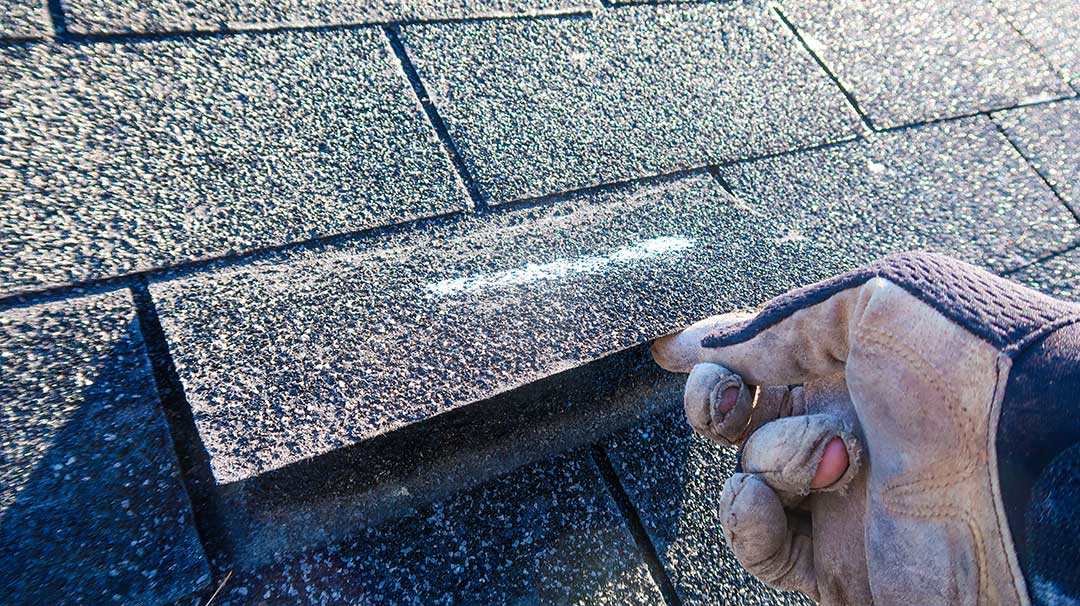
Fall protection is necessary wherever a person could slide or fall from an elevated surface. Roof work should be postponed during high winds, rain, ice, or other conditions that make footing unreliable.
How should the roof be protected if it is opened?
An exposed roof must be covered before rain or overnight weather arrives. Temporary protection should shed water beyond the opening, remain secure in wind, and avoid directing water into walls, insulation, or attic spaces.
A tarp placed loosely over a roof opening is not a complete weatherproofing system. Water can collect in low spots, wind can lift the covering, and fasteners can create new leaks. Temporary covers should be installed so they do not block gutters, downspouts, valleys, or other drainage routes.
For longer interruptions, the roof opening may need a more durable temporary enclosure. The appropriate method depends on the size of the opening, roof slope, expected weather, and the materials used in the permanent repair.
Before work stops each day, verify that:
- The exposed area is fully covered
- Seams and edges are secured
- Water cannot enter around walls or chimneys
- Tools and debris are removed
- Gutters and downspouts remain clear
- Interior ceilings and attic areas show no signs of seepage
After heavy rain or strong wind, inspect the temporary covering rather than assuming it remained secure.
What should homeowners check after renovation work?
A final roof check should occur after the work area has been cleaned. Look for loose or missing shingles, bent flashing, exposed nails, punctures, damaged gutters, clogged downspouts, and debris in valleys or behind chimneys.
Inside the home, inspect ceilings, upper walls, attic insulation, and roof framing for dampness or new staining. Some leaks appear only during rain and may not be visible immediately after construction.
Also confirm that new work has not blocked ventilation openings at the soffits or altered the path of water flowing toward gutters. An addition, dormer, skylight, or exterior wall can change how snow and rain collect on the roof.
In older housing areas, renovations may reveal several layers of past repairs or materials that no longer perform as intended. Hidden deterioration should be documented before it is covered again, especially around roof edges and places where different building materials meet.
When is specialized help necessary?
Professional evaluation is justified when renovation work involves structural changes, roof penetrations, active leaks, steep slopes, fragile materials, electrical hazards, suspected asbestos-containing materials, or significant height exposure. These conditions can involve safety requirements and building-code considerations that are not suitable for trial and error.
Homeowners can reduce risk by planning roof access before construction begins, communicating no-step areas to everyone on site, and requiring prompt cleanup of nails, scrap materials, and debris. Protecting the roof is not only about preventing visible shingle damage; it also means preserving drainage, flashing, ventilation, structural support, and a reliable weather barrier throughout the project.
