
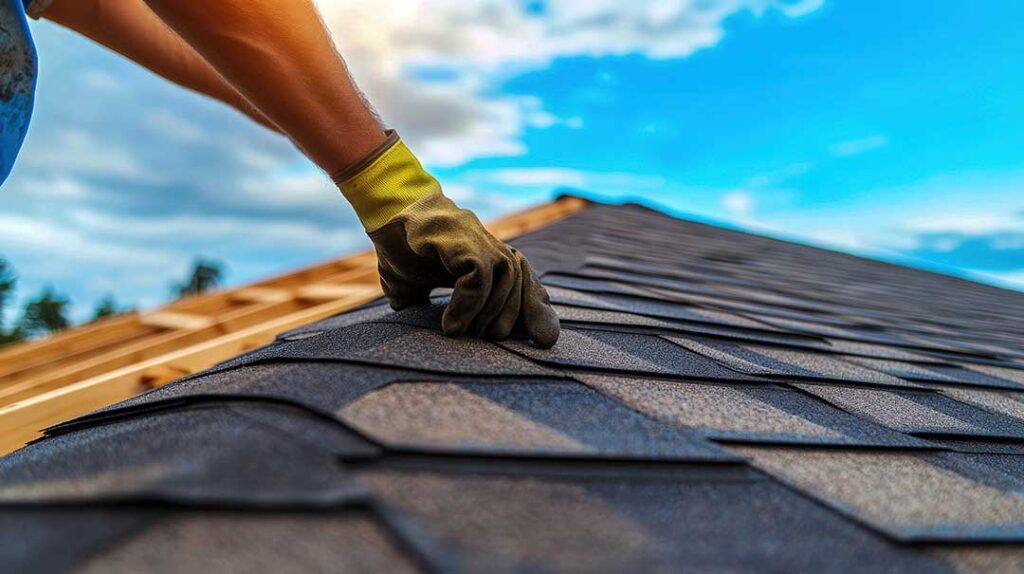
Attic insulation does more than slow heat loss. In a Troy, NY home, it helps regulate indoor temperatures, reduce the risk of winter moisture damage, limit ice dam formation, and protect the roof structure from temperature swings. Its performance depends on more than the insulation material itself: air sealing, ventilation, moisture control, and proper installation all work together.
What does attic insulation actually do?
Attic insulation creates resistance to heat movement between the living space and the roof area. During winter, it slows warm indoor air from escaping upward. During summer, it reduces the amount of heat moving down from a sun-heated roof deck.
This can make upper-floor rooms more comfortable and reduce the workload on heating and cooling equipment. The effect is especially noticeable in older homes, homes with knee walls or finished attic spaces, and houses where insulation has settled, shifted, or become damp.
Insulation does not stop air movement by itself. Small openings around ceiling fixtures, plumbing pipes, electrical wiring, chimneys, ductwork, and attic hatches can allow warm, moisture-laden indoor air into the attic. These leaks may be more significant than the insulation gaps around them.
Why is attic insulation important in Troy?
The local climate brings cold winters, changing shoulder seasons, summer humidity, and periodic snow. These conditions place repeated stress on the boundary between the heated home and the unconditioned attic.
In winter, heat escaping into the attic can warm portions of the roof surface unevenly. Snow may melt in those warmer areas, then refreeze near colder eaves. That cycle can contribute to ice dams, which may force water beneath roofing materials and into roof edges, ceilings, or exterior walls.
Proper insulation helps keep the roof deck colder and more uniform by limiting heat from below. It does not guarantee that ice dams will never occur, because snow depth, roof shape, sun exposure, air leakage, and ventilation also matter. Still, insulation is a central part of controlling the conditions that make ice dams more likely.
Is air sealing more important than adding insulation?
Both matter, but air sealing should generally come first. Insulation slows heat transfer; air sealing stops uncontrolled air movement through cracks and openings.
A well-insulated attic can still perform poorly if warm air is leaking through the ceiling plane. That air may carry water vapor into the attic, where it can condense on cold roof sheathing, nails, framing, or insulation. Over time, moisture can contribute to staining, mold growth, wood deterioration, and reduced insulation performance.
Common attic air leaks include:
- Gaps around plumbing and electrical penetrations
- Openings around recessed lights
- Unsealed attic access panels
- Gaps at the tops of interior walls
- Open chases around chimneys or flues
- Duct and register openings
- Large openings beneath poorly finished areas
Heat-producing fixtures and chimneys require appropriate clearances and materials. Sealing around them with an unsuitable product can create a fire hazard.
How does attic ventilation fit into the system?
A vented attic needs a clear path for outside air to enter near the eaves and exit higher on the roof or through approved gable openings. This airflow helps remove heat and moisture from the attic space.
Insulation should not block soffit or eave vents. Baffles, sometimes called rafter vents, can preserve an air channel above the insulation while preventing wind from displacing loose material near the roof edges.
Ventilation cannot compensate for major air leaks from the home below. If warm household air is entering the attic, simply adding vents may move moisture through the space without correcting the source. A sound approach addresses the ceiling air barrier, insulation depth, and ventilation together.
Roof designs vary, so more ventilation is not automatically better. Unbalanced or poorly placed vents can reduce the effectiveness of the intended airflow. Any change should account for the existing roof assembly and how air is supposed to move through it.
What are the signs that attic insulation needs attention?
Some warning signs are visible from inside the home or attic:
- Large areas where insulation is thin, compressed, or missing
- Insulation that has shifted away from the eaves
- Frost or water staining on roof sheathing
- Damp, musty odors near the upper floor
- Peeling paint or ceiling stains
- Rooms below the attic that are unusually hot or cold
- Snow melting in isolated roof sections
- Ice buildup along roof edges
- Attic insulation contaminated by pests, water, or construction debris
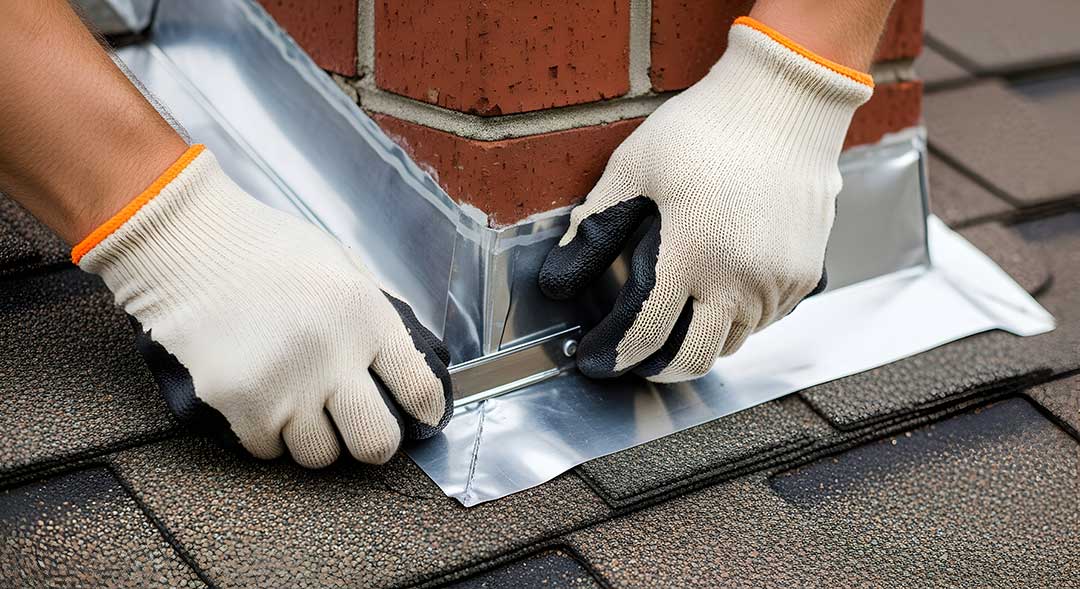
A high utility bill alone does not prove that insulation is the problem. Air leakage, inefficient equipment, duct losses, window performance, and household temperature preferences can also affect energy use.
Does more insulation always improve the roof?
Not necessarily. Adding insulation over an attic that has unresolved moisture or air-sealing problems can conceal damage and make inspection more difficult. Damp insulation loses effectiveness and may hold moisture against wood components.
Insulation can also be installed incorrectly. Compressed batts may not deliver their labeled performance. Loose-fill material can settle or be blown away from the edges. Insulation placed over wiring, fixtures, or flues without observing required clearances may create safety concerns.
Before adding material, the attic should be checked for roof leaks, bathroom exhaust ducts that terminate indoors, blocked ventilation paths, exposed electrical hazards, and signs of condensation. Exhaust fans should discharge outdoors through properly installed ducts rather than into the attic.
Which insulation type is appropriate?
Several insulation types may be used in attic assemblies:
- Fiberglass batts or rolls: Common and relatively easy to handle, but they must fit spaces closely and remain dry.
- Blown fiberglass or cellulose: Useful for covering irregular attic floors and filling around framing, although depth markers and proper air sealing are important.
- Rigid foam: Can provide high insulating value in limited spaces, but joints and edges must be detailed carefully.
- Spray foam: May serve as insulation and air barrier, but it changes the roof assembly and requires careful planning around ventilation, fire protection, and moisture movement.
The right choice depends on whether the attic floor or roofline is being insulated, how much space is available, whether the attic contains mechanical equipment, and how the existing roof is ventilated.
What should homeowners know about older houses?
Many older homes have complicated attic layouts, additions, low-slope roof sections, enclosed soffits, or previous insulation layers that do not form a continuous surface. Historic construction may also include plaster ceilings, knob-and-tube wiring, masonry chimneys, or other conditions that require extra caution.
Uneven insulation is common, especially near roof edges and areas altered during past repairs. A small attic hatch may also be poorly insulated and allow noticeable heat loss.
New work should not block access to electrical junction boxes, appliance controls, or other components that require service. Building and energy requirements may apply when insulation is added during renovation, so unusual assemblies and major alterations may require review under applicable New York requirements.
When is specialized evaluation necessary?
Professional evaluation is justified when there is suspected structural damage, widespread mold, active roof leakage, unsafe wiring, combustion equipment in the attic, significant ice dam history, or uncertainty about whether a roof assembly is vented or unvented.
Attic work is also not a suitable do-it-yourself task when it involves tight spaces, unstable surfaces, contaminated insulation, heat-producing equipment, or possible asbestos-containing materials. Safe access and correct material clearances matter as much as the insulation’s stated R-value.
A properly insulated attic is part of a larger roof and building system. The most durable results come from controlling air leakage, maintaining safe clearances, preserving intended ventilation, managing indoor humidity, and keeping roof drainage and flashing in good condition.
