
Is the roof ready for solar panels?
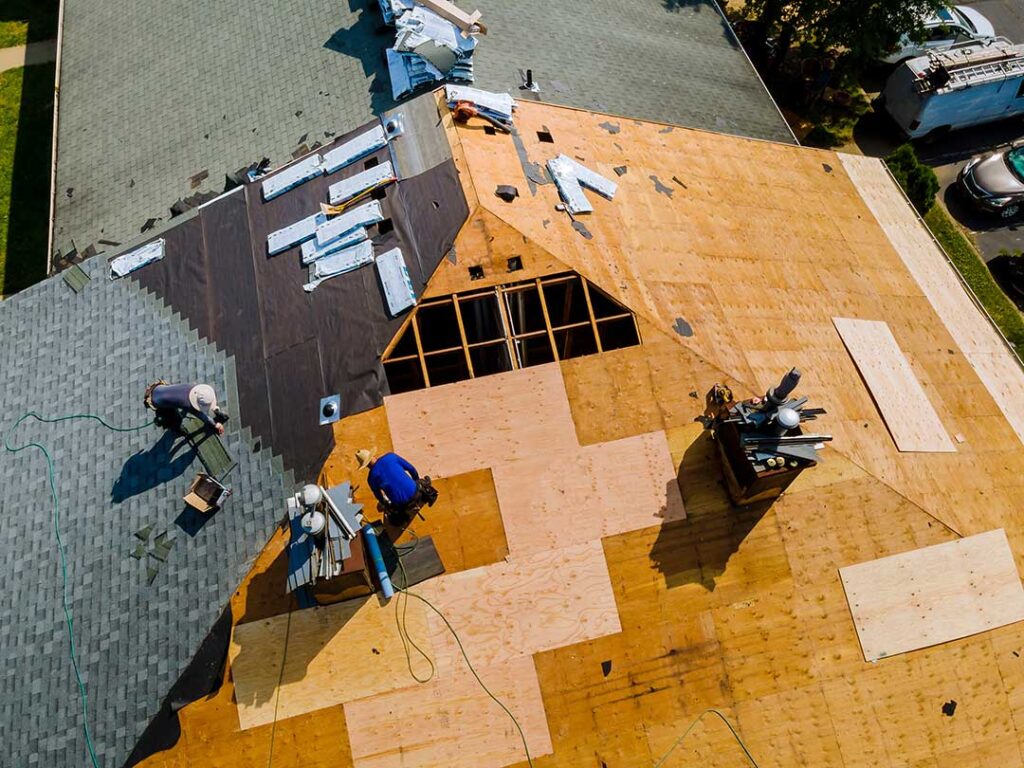
Solar panels should be installed only on a roof that is structurally sound, reasonably dry, and likely to remain serviceable for the life of the system. If a roof is near the end of its useful life, replacing or repairing it before installation is usually more practical than installing panels and later removing them.
A typical rooftop solar system may remain in service for 20 to 25 years or longer. Roofing materials do not all have the same lifespan, and older homes may also have layers of previous roofing, worn decking, or framing that deserves closer inspection.
Before solar work begins, consider:
- The approximate age of the roof
- Missing, cracked, curled, or loose shingles
- Soft areas in the roof deck
- Water stains or past leaks in the attic
- Sagging roof lines
- Deteriorated flashing around chimneys, vents, and roof edges
- Whether the roof has already been covered with multiple layers
Solar mounting hardware is attached through the roofing system into structural framing. The roof must be able to support the added equipment and resist wind and snow loads without allowing water to enter around the attachment points.
Should the roof be replaced before panels are installed?
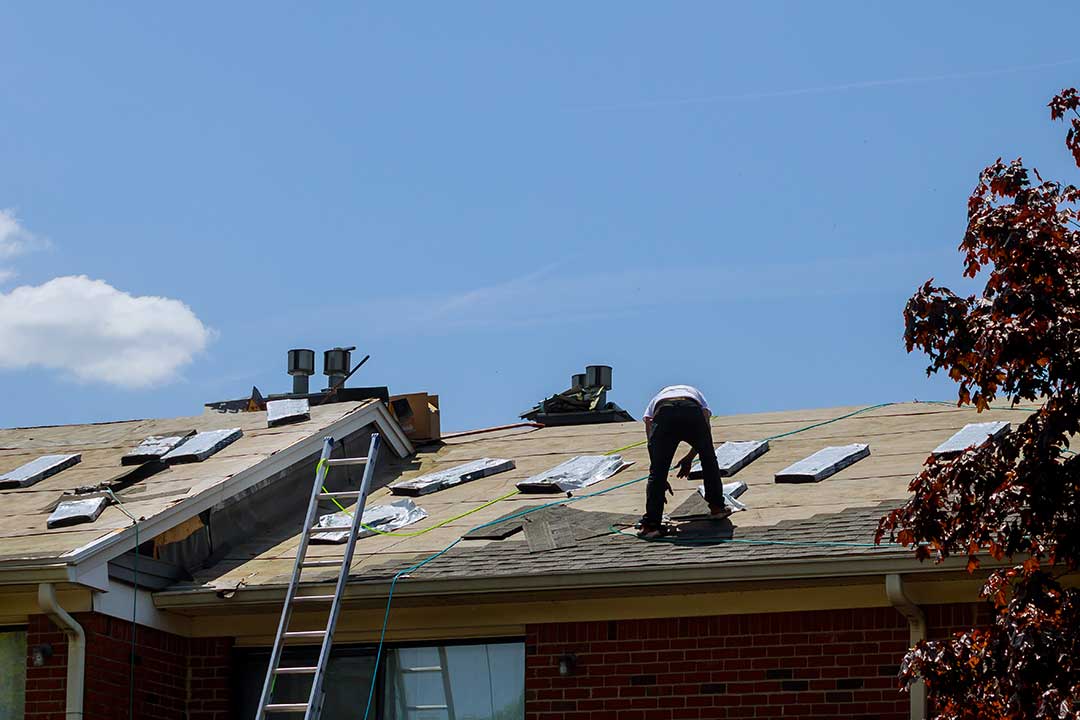
A roof replacement is worth considering first if the roofing system has visible damage or only a limited service life remaining. Solar panels and their mounting equipment generally need to be removed before roofing work can be completed, which adds labor and creates another round of flashing and attachment work.
This issue is especially relevant for older housing in Troy, NY, where roof shapes, additions, dormers, and previous repairs can vary considerably from one building to the next. A roof that looks acceptable from the ground may still have aging underlayment or decking.
Replacing a roof solely because solar panels are being considered is not always necessary. The decision depends on the roof’s condition, material, installation history, and expected remaining life. Written documentation about the roof’s age and prior repairs can be useful when comparing the timing of both projects.
How do snow, ice, and winter weather affect rooftop solar?
Solar panels are designed for use in cold climates, but winter weather still affects both the roof and the equipment. Snow can accumulate on panels, while ice dams and freeze-thaw cycles can stress roofing materials, flashing, gutters, and roof edges.
A properly designed system should account for:
- Local snow loads
- Wind uplift
- Roof slope and drainage
- Access paths for inspection and emergency response
- The location of roof vents, chimneys, skylights, and plumbing penetrations
- Areas where snow may slide from the panels onto walkways, lower roofs, or landscaping
Snow does not automatically make rooftop solar impractical. Panels are often installed at an angle that helps snow slide or melt away, and sunlight can produce electricity even during cold weather. However, panels should not be treated as a substitute for addressing ice dams, blocked drainage, weak roof framing, or deteriorated gutters.
Homeowners should also avoid climbing onto a snowy or icy roof to clear panels. Scraping can damage the panel surface or roofing materials, and roof access becomes more hazardous in winter.
Which roof areas usually work best?
Roof orientation, slope, shade, and usable surface area all affect solar production. A roof does not need to face one exact direction to support solar, but areas with consistent sunlight generally produce more electricity than heavily shaded sections.
Trees are a common consideration for area households. Seasonal changes can alter shading patterns: a roof that receives full sun in winter may be shaded by leaves during the growing season, while nearby branches can drop debris onto panels, gutters, and roof valleys.
The most useful roof assessment considers:
- Shade at different times of day and throughout the year
- The direction and slope of each roof plane
- Available space after maintaining required clearances
- Roof features that interrupt panel placement
- Whether future tree growth could reduce sunlight
- How panels will affect access to vents, flashing, and other roof components
A smaller, well-positioned system may be more practical than covering every available section of roof.
Can solar panels damage a roof?
Solar panels do not inherently damage a properly installed roof. Problems are more likely when mounting points are poorly located, flashing is improperly installed, roof decking is weak, or the existing roof was already deteriorated.
The attachment points deserve particular attention. Water must be directed away from penetrations, and the mounting system must remain secure through wind, snow, and temperature changes. Panels should not conceal active leaks or be used to postpone necessary roof repairs.
Routine roof maintenance can become more complicated after installation because portions of the roof may be underneath the array. Gutters, roof edges, valleys, and exposed flashing should remain accessible for inspection. Nearby branches should be kept from rubbing against panels or dropping excessive debris onto the roof.
What permits may be needed in Troy?
Solar projects commonly involve building, electrical, and fire-safety review. Troy’s building permit information identifies solar panels as work subject to permitting, and the city provides a unified solar permit process for eligible photovoltaic systems up to 25 kilowatts.
For qualifying roof-mounted systems, the application process may include:
- A unified solar permit
- A building permit
- An electrical permit
- Construction drawings and equipment information
- Fire Department approval
- Required inspections
Ground-mounted systems can involve additional planning or zoning review. Historic district rules may also affect the visibility or placement of roof-mounted equipment. Permit requirements can change with project size, property location, building type, and system design, so the applicable requirements should be verified before work starts.
Skipping permits can create problems during inspections, insurance claims, refinancing, or a future home sale. Permit records may also help establish when roofing or solar work was completed.
What happens if the roof needs repairs later?
Future roof repairs may require partial or complete removal of the panels and mounting hardware. That possibility should be considered before signing a long-term solar agreement or approving a system layout.
Ask for clear information about:
- Who is responsible for panel removal and reinstallation
- Whether roof repairs are covered by any workmanship terms
- How leaks near mounting points will be evaluated
- Whether the roof warranty allows solar attachments
- How equipment will be handled during a full roof replacement
- Whether the system’s wiring and shutoff equipment can be safely accessed
Solar panels may continue producing power for decades, but inverters, wiring components, and monitoring equipment can have different service lives. Keeping installation records, equipment manuals, permit documents, and roof records in one place can simplify future maintenance.
Does solar work during a power outage?
A standard grid-connected solar system usually shuts off during a utility outage for safety reasons. The panels may still be receiving sunlight, but the system generally cannot power the home unless it includes approved backup equipment and energy storage.
Solar panels alone should not be assumed to provide emergency electricity. Homeowners who want backup power should understand which circuits can operate, how long stored energy may last, and whether the system is designed to work independently from the electric grid.
In New York, excess electricity from eligible grid-connected residential systems may be credited through utility billing arrangements, but the details depend on system size, location, utility rules, and installation date. Those credits do not eliminate the need to evaluate roof condition and long-term maintenance.
A sensible order for evaluating the project
A practical sequence is to document the roof’s age and condition, inspect the attic, identify shade and roof obstructions, review structural and weather considerations, and then confirm permitting requirements. Solar design should follow the roof assessment rather than the other way around.
For many homes, the central question is not simply whether panels can fit on the roof. It is whether the roof can safely support the system, protect the building from water, and remain maintainable through years of snow, rain, wind, temperature changes, and eventual roofing work.
