
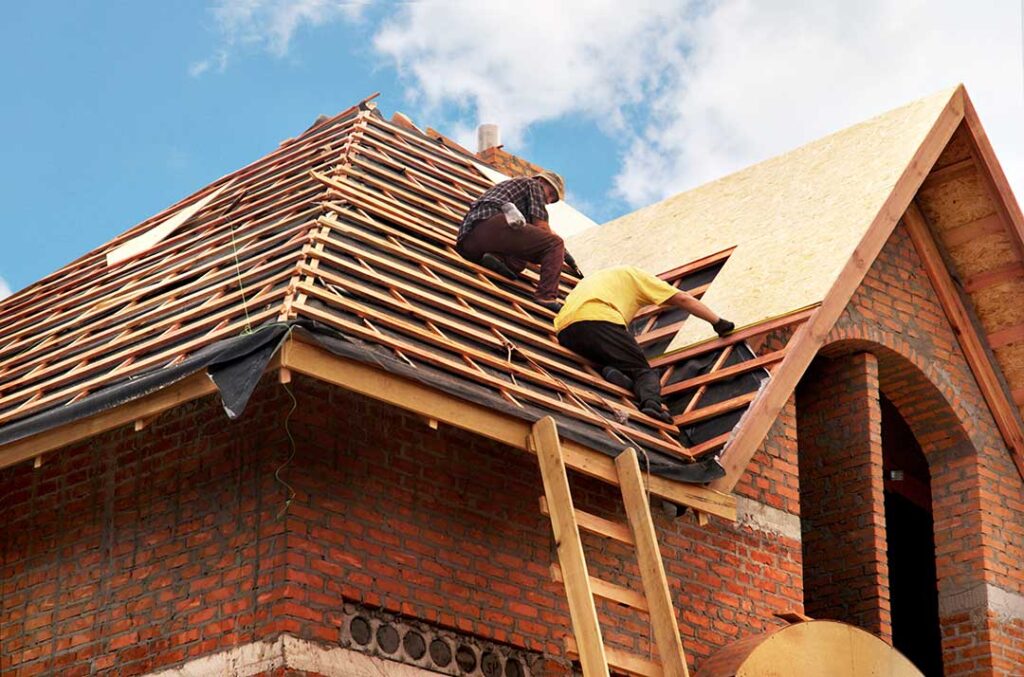
Roof decking is the structural layer beneath the shingles or other roof covering. It is usually made from plywood or oriented strand board and is attached to the roof framing. Although it is not visible from the ground, its condition affects the roof’s strength, fastener support, insulation performance, and resistance to water intrusion.
For homeowners in Troy, NY, roof decking can be exposed to repeated freeze-thaw cycles, heavy rain, snow loads, ice dams, and long periods of damp weather. These conditions do not automatically mean the decking is damaged, but they can make small roofing problems more serious over time.
What does damaged roof decking look like from inside the house?
The clearest indoor clues are usually found in the attic or on the upper ceilings. Look for changes that suggest water has reached the wood beneath the roof covering.
Common signs include:
- Dark stains or water marks on the underside of the roof
- Soft, swollen, or crumbly wood
- Mold-like growth or a persistent musty odor
- Damp insulation near roof penetrations
- Rusted nails or metal fasteners
- Daylight visible through small gaps in the roof sheathing
- Sagging areas between rafters or trusses
A stain does not always mean the roof is leaking at that exact location. Water can travel along rafters, fasteners, insulation, or the underside of the decking before becoming visible. A ceiling mark may therefore appear several feet away from the original entry point.
Attic inspections are safest when performed from a stable walking surface, not by stepping directly on insulation or between framing members. Roof framing and ceiling joists are designed to support weight; the spaces between them may not be.
Can a sagging roof indicate a decking problem?
Yes. A sagging area may indicate weakened decking, overloaded framing, trapped moisture, or a combination of these conditions. Roof decking can lose its stiffness after repeated wetting, especially if water reaches panel edges or remains trapped around a leak.
From the ground, sagging may appear as:
- A shallow dip between roof framing members
- An uneven roof plane
- A section that looks lower after rain or snow
- Shingles that appear wavy rather than flat
- A ridge line or roof slope that no longer looks straight
Not every uneven appearance is caused by decking. Older roofs may have natural irregularities, and some unevenness comes from framing movement or layers of older roofing material. However, a new or worsening sag should not be ignored, particularly if it is paired with interior stains, cracked shingles, or visible moisture.
Heavy snow can add significant temporary weight to a roof. If a sag becomes more noticeable during or after a snow event, limit time in the attic and avoid standing beneath the affected area until the condition is evaluated safely.
What do soft spots and deteriorated wood mean?
Soft wood generally indicates that the decking has lost some of its structural strength. The cause is often long-term moisture exposure, but deterioration can also result from improper ventilation, condensation, or damage around roof penetrations.
A small soft area may be limited to the perimeter of a plumbing vent, chimney, skylight, valley, or roof edge. Larger areas can develop when a leak has continued unnoticed or when water has been held against the decking by debris, failed flashing, or ice-related backup.
Wood that flakes, crumbles, delaminates, or separates into layers deserves particular attention. Plywood may show separated plies, while oriented strand board can swell along its edges and lose its original shape. Once the panel no longer holds roofing fasteners firmly, shingles may become more vulnerable to wind movement.
Do not rely on a screwdriver or similar tool to probe questionable areas from an unsafe position. Testing should not create additional holes or put someone at risk of falling.
Are loose or wavy shingles always a decking issue?
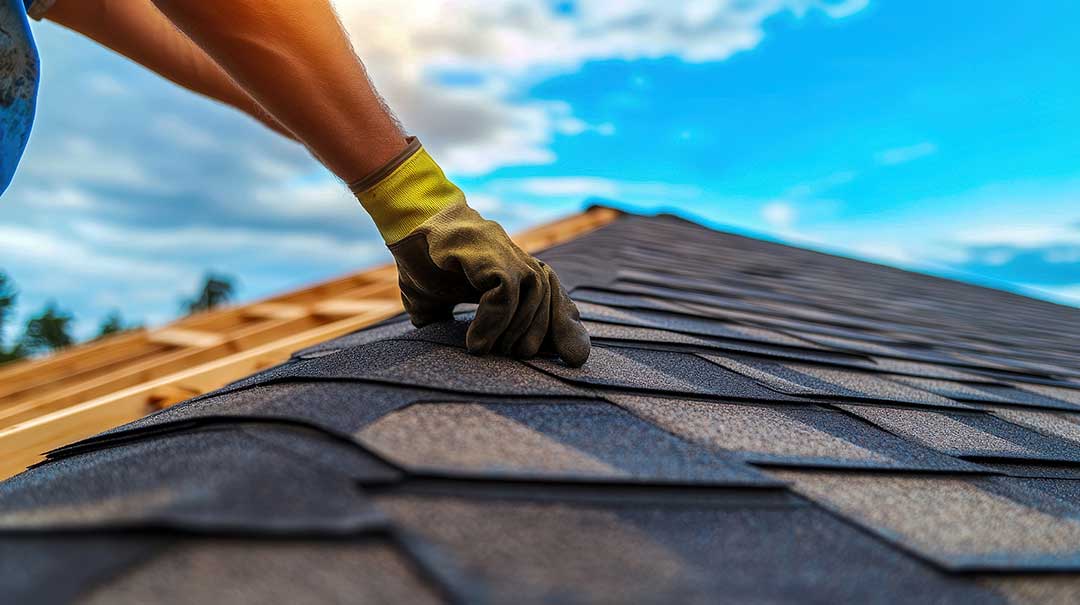
No. Loose, lifted, or wavy shingles can result from wind, age, poor installation, inadequate fastening, or problems with the roof underlayment. They may also reflect swollen or uneven decking beneath them.
Decking concerns become more likely when shingle distortion appears alongside:
- A visible dip in the roof surface
- Repeated nail pops
- Roofing nails that no longer hold securely
- Water stains in the attic
- Granule loss concentrated near a low area
- Shingles that remain uneven after dry weather
A roof can have damaged decking without obvious shingle problems. Conversely, shingles can be damaged while the decking remains sound. These are related but separate components, so one should not be used as the sole indicator of the other.
Which roof areas are most vulnerable?
Certain locations deserve closer attention because they are more likely to collect water, experience movement, or contain multiple seams.
Roof edges and eaves
The lower edges of a roof can be affected by ice dams, blocked drainage, wind-driven rain, and water backing up beneath shingles. Repeated wetting may damage the decking near the eaves before a ceiling stain becomes visible.
Valleys
Roof valleys direct water toward the gutters or lower roof edges. Leaves, ice, failed flashing, and aging materials can interfere with drainage. Staining or soft wood near a valley may indicate a recurring water path.
Penetrations
Plumbing vents, chimneys, skylights, exhaust outlets, and other roof openings rely on flashing to keep water out. Small flashing failures can produce localized decking damage that expands gradually.
Areas beneath attic equipment
Bathroom fans, ducts, and recessed fixtures can create condensation if they discharge warm, moist air into the attic rather than outdoors. This moisture may affect the decking even when the exterior roof covering appears intact.
Can condensation damage roof decking without a roof leak?
Yes. Not every moisture problem starts above the shingles. Warm, humid air from the living space can enter the attic through gaps around light fixtures, wiring, attic hatches, or ductwork. If the attic is poorly ventilated or the air reaches cold roof decking, condensation can form.
Signs of a condensation-related problem may include:
- Broad, fairly even staining across portions of the roof underside
- Frost on nails during cold weather
- Damp insulation
- Musty odors without a clear exterior leak
- Moisture concentrated around bathroom or kitchen exhaust ducts
Proper attic air sealing and ventilation help reduce this risk, but ventilation alone does not solve every moisture problem. Exhaust fans must discharge outside, insulation must be installed correctly, and indoor humidity should be controlled during cold weather.
When does damaged decking become a safety concern?
Roof decking needs prompt attention when it appears structurally weak, when water is entering living areas, or when a roof surface is visibly sagging. Signs that warrant extra caution include a large ceiling bulge, active dripping near electrical fixtures, widespread attic dampness, creaking or shifting materials, and sections that appear to be collapsing.
Keep clear of areas beneath active leaks or major sags. Water near electrical wiring or fixtures can create an electrical hazard, and weakened decking may not safely support a person’s weight. During severe weather, avoid climbing onto the roof to inspect the problem. Snow, ice, wet shingles, and wind can turn a minor inspection into a serious fall risk.
What information helps determine the cause?
A useful inspection considers more than the decking itself. The condition of shingles, flashing, underlayment, gutters, ventilation, insulation, roof framing, and interior finishes can all help explain why moisture or movement developed.
Photographs from the attic and ground level can help track whether a stain, sag, or shingle distortion is changing. Recording when the problem appears—after heavy rain, melting snow, strong wind, or cold weather—may also reveal a pattern.
The key question is not simply whether the wood looks old. It is whether the decking remains dry, flat, firmly attached, and strong enough to support the roof covering. Early signs such as localized staining or edge swelling are easier to address than widespread decay that has affected framing or interior finishes.
