
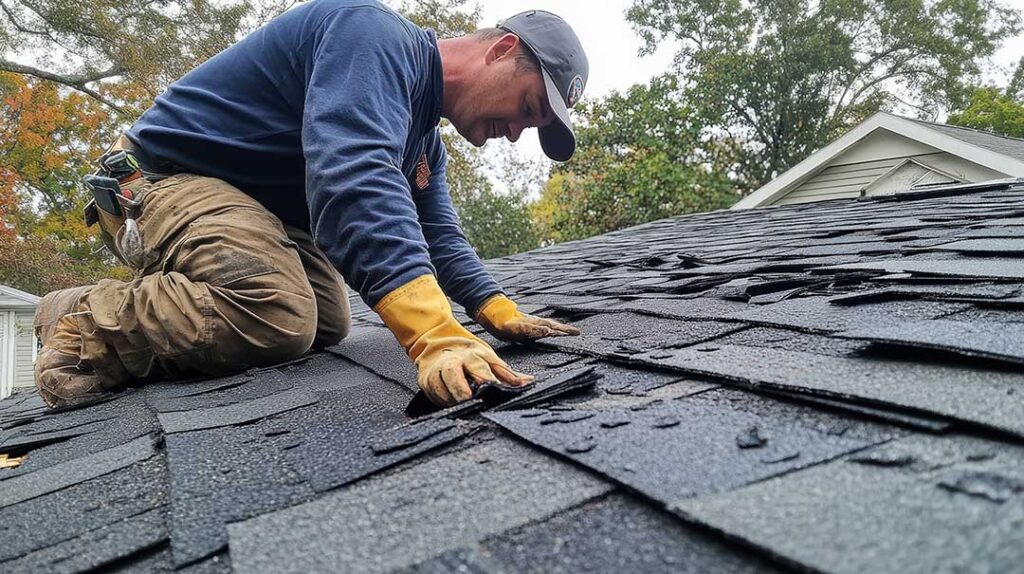
Why Does Roof Longevity Matter for Troy, NY Residents?
Roofs are a home’s first line of defense against Troy’s snow, ice, wind, rain, and summer heat. Keeping a roof in good condition helps prevent water damage, reduce heating and cooling costs, and avoid unexpected expenses.
Homes in Troy are often exposed to frequent freeze-thaw cycles, strong winter storms, and leaf debris from the area’s many mature trees. Understanding how these factors affect roofing materials helps local households maintain their roofs more effectively.
How Often Should Roofs Be Inspected and What Should You Look For?
Roofs should be inspected at least twice yearly—ideally in spring and fall—plus after any major weather event. Quick checks from the ground or via binoculars can reveal signs of trouble.
Common warning signs include:
- Missing, curling, or cracked shingles
- Rust on metal flashing or stains on soffits
- Moss or algae growth, especially on shaded or north-facing slopes
- Dark streaks, which might signal moisture or algae
- Debris or granules in gutters
Inside your home, check upper floor ceilings or attic spaces for:
- Stains, bubbling paint, or soft spots indicating leaks
- Damp insulation
- Unusual musty odors
Many households overlook attics, but a quick look during rain or snowmelt can reveal active leaks before they escalate.
What Routine Maintenance Can Extend Roof Life in Troy’s Climate?
Seasonal roof maintenance is essential in this region. Regular tasks help prevent moisture retention, shingle damage, and ice-related problems.
Effective routines for area homes include:
- Removing leaves, pine needles, and debris from roof surfaces and valleys, especially in autumn
- Cleaning gutters and downspouts to ensure proper drainage before winter sets in
- Checking that attic ventilation is unobstructed, which minimizes ice dam risk and reduces summer heat buildup
- Trimming back tree branches that hang over the roof, reducing shade and damage from falling limbs
- Gently brushing away small patches of moss or algae with a soft-bristle brush, or using cleaning mixes recommended by shingle manufacturers
Local households sometimes ignore valleys and dormers where debris collects, but these spots are especially prone to moisture damage.
How Can Winter Weather Hazards Be Managed?
Winters in Troy bring significant snow, ice, and rapid temperature changes. These conditions pose unique roof challenges.
Managing snow and ice involves:
- Safely removing heavy snow loads using a roof rake (from the ground, never climbing onto the roof in icy conditions)
- Clearing ice dams at the eaves whenever possible, since these block drainage and can cause leaks under shingles
- Checking that attic insulation is sufficient to prevent heat loss, since warm roofs increase ice dam formation
- Watching for thick icicles at gutters, which may signal poor drainage or attic air leaks
A common misconception is that salt can be safely used on roofs—it can damage shingles and runoff may affect nearby plants. Use only products specifically labeled as roof-safe if treating for ice.
Are There Ways to Prevent Moss, Algae, and Lichen Growth?
Moisture, shade, and falling organic debris make many Troy roofs prone to these biological growths—especially on older homes surrounded by trees.
Long-term prevention strategies include:
- Installing metal (zinc or copper) strips near the ridge cap; rainwater washing over these inhibits growth on shingles below
- Keeping the roof clear of debris and regularly trimming back overhanging foliage
- Ensuring gutters remain clear to minimize water splashing onto roof edges
- Avoiding pressure washing, which can strip granules from shingles and reduce lifespan
Gently removes small patches early. Letting growth become established makes removal more difficult and often shortens roof life.
What Role Does Attic Ventilation Play in Roof Health?
Proper attic air circulation is often overlooked, but it’s critical in Troy’s temperature swings.
Well-functioning ventilation:
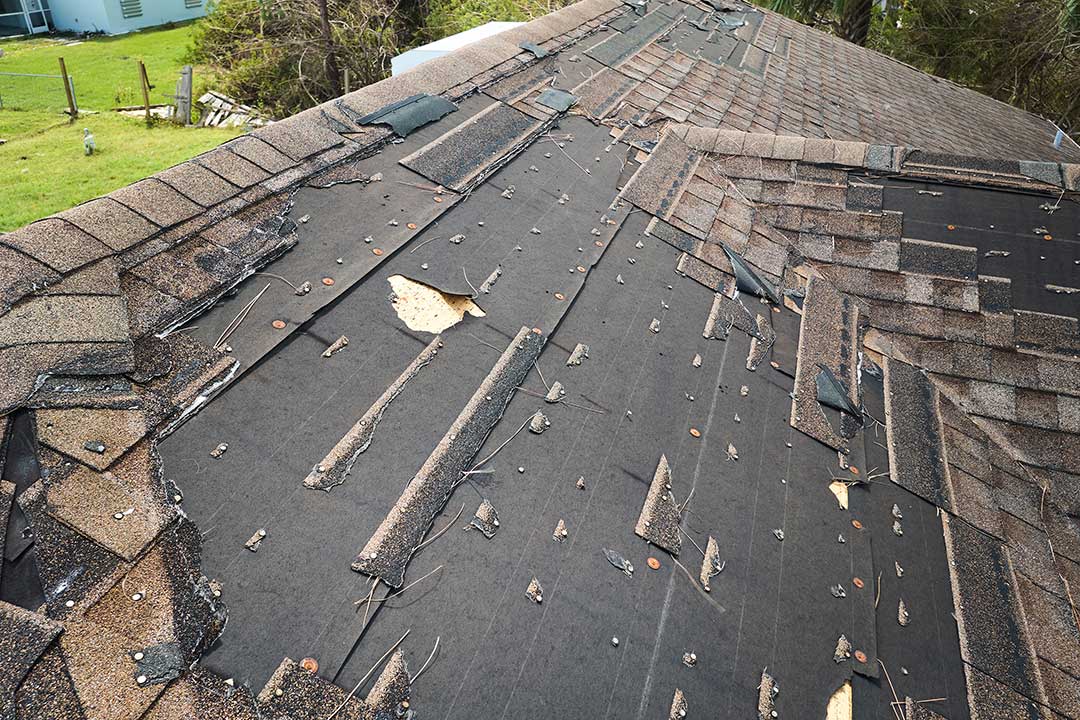
- Lowers summer attic temperatures, protecting shingles from overheating
- Reduces humidity buildup, minimizing condensation and wood rot risks
- Prevents uneven melting and refreezing of snow, which causes damaging ice dams
Check that soffit, ridge, and gable vents are unobstructed by insulation, dust, or bird nests. Many older homes in the city have undersized or blocked vents, so a careful yearly check can pay off in fewer repairs.
Are Gutters and Drainage Systems Really That Important?
Yes—especially in areas with dense foliage like Troy. Clean, functional gutters keep water away from roof edges, walls, and foundations.
Gutter maintenance tips:
- Inspect at least twice a year for clogs and damage
- Ensure downspouts direct water at least several feet from the house’s base
- Install gutter guards if runoff from trees is a recurring issue
- Check after windstorms; branches and debris can quickly clog gutters and trap moisture
Neglecting drainage can lead to water pooling behind fascia boards or entering attics and walls.
How Does Local Housing Age and Design Affect Maintenance Priorities?
Many homes in Troy were built well before modern building codes or updated roofing practices. This means different roofing materials, roof shapes, and attic setups are common.
For older homes, take special care with:
- Slate, tile, and older metal roofs—these may require different cleaning and repair methods than asphalt shingle roofs
- Decoratively flashed areas, such as dormers and bay windows, where leaks often begin
- Hidden valleys and intersecting rooflines, which are more prone to water retention
Past DIY repairs and older materials may not always meet today's durability standards, so additional attention to seams and flashings can help avoid premature wear.
What Safety Precautions Should Residents Follow for DIY Inspections?
Inspecting and maintaining a roof can be done safely from the ground for most tasks. Only access the roof if it’s dry, the weather is favorable, and proper safety equipment (such as a harness or roof anchor) is used.
Prioritize safety by:
- Using a sturdy ladder placed on level ground, secured to the house if possible
- Avoiding power washing or aggressive scraping of shingles
- Working with a partner when possible—don’t perform tasks alone
- Staying on the ground during icy or windy weather
For steep or damaged roofs, or if electrical wiring is exposed, professional assessment is safest and may be required by local codes.
