
Replacing a roof creates a large amount of material, but much of it may be reusable or recyclable if it is separated and handled correctly. In Troy, NY, old shingles and other roofing debris generally should not be placed in curbside recycling or set out with ordinary bulk trash.
The right disposal method depends on the roofing material, its condition, and whether it is clean and free of hazardous substances.
Can asphalt shingles be recycled?
Yes, many asphalt shingles can be recycled through authorized construction and demolition debris facilities. Recovered shingles may be processed into material used in paving products or other construction applications.
Recycling is most practical when the shingles are:
- Asphalt-based
- Free of asbestos
- Separated from household garbage
- Reasonably clean and uncontaminated
- Kept free of excessive wood, insulation, soil, and other debris
Not every disposal facility accepts shingles, and some accept only source-separated loads. A facility may also distinguish between asphalt shingles, roofing paper, synthetic underlayment, rubber roofing, and other roof coverings.
Before transporting material, verify that the receiving facility accepts the specific roofing waste and ask whether it must be separated from nails, flashing, wood, or other construction debris.
What roofing materials can usually be recovered?
Roof replacement waste often contains several different materials. Separating them at the work site improves the chance that each item will be handled properly.
Asphalt shingles
Asphalt shingles are the most commonly recyclable roofing material. Nails do not always need to be removed because specialized processing equipment can separate metal from the shingle material, but acceptance rules vary.
Metal roofing and flashing
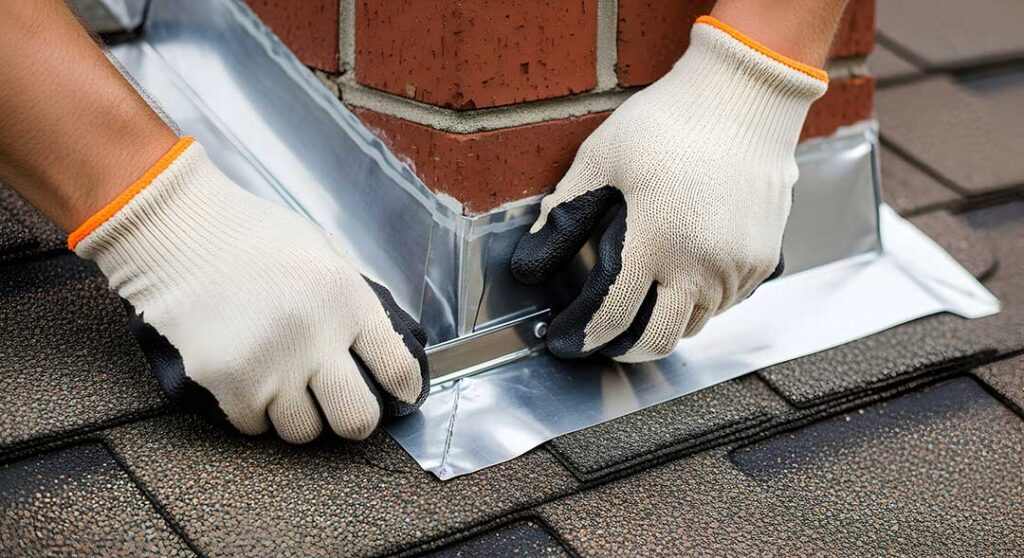
Aluminum, steel, copper, and other metal components may have value as scrap metal. Separate panels, valleys, drip edges, flashing, gutters, and fasteners from the shingle pile when possible.
Metal should be kept free of roofing cement, excessive insulation, and large amounts of attached wood.
Wood
Roofing projects may produce damaged sheathing, roof boards, pallets, or framing scraps. Clean, untreated wood may have different handling requirements from painted, stained, pressure-treated, or glued wood products. Do not mix treated lumber with a clean wood load unless the receiving facility specifically permits it.
Roofing paper and underlayment
Some authorized construction and demolition debris facilities accept roofing paper along with asphalt shingles. Synthetic underlayment, rubber membrane, and other specialty products may not be accepted in the same load.
Keep these materials separate when their composition is uncertain.
Slate, clay, and concrete tile
Intact tiles may sometimes be reused, while broken pieces may be accepted as masonry or construction debris. Because tile is heavy, it should not be placed in ordinary household trash containers unless the waste hauler allows it.
Reusable pieces should be kept dry and stacked carefully to prevent breakage.
Why curbside recycling is not the right option
Troy’s single-stream recycling program is designed for common household recyclables such as approved containers, paper, cardboard, and similar packaging. Roofing materials are not part of that curbside stream.
Roofing debris is also not treated as ordinary bulk trash. Construction and demolition materials placed at the curb for municipal pickup may be considered illegal disposal. The same applies to roofing debris left in an alley, vacant lot, or at another property.
A roofing load should instead go through an authorized construction debris facility, a properly managed private waste arrangement, or another disposal option that specifically accepts the material.
How should old shingles be prepared?
Good preparation reduces contamination and makes loading safer.
1. Separate the materials. Keep shingles, metal, wood, insulation, plastic, and general trash apart whenever practical.
2. Remove obvious garbage. Do not mix food waste, household trash, electronics, batteries, or containers of chemicals with roofing debris.
3. Keep loads covered. Loose shingles and paper can blow from an uncovered truck or trailer, especially during windy weather.
4. Use sturdy containers. Roofing nails and sharp metal edges can puncture thin bags and injure anyone handling them.
5. Avoid overloading. Asphalt shingles are heavy, and wet roofing materials become even more difficult to move safely.
6. Protect walkways and storm drains. During rainy weather, loose granules, nails, and scraps can wash toward drains or public paths.
The area’s freeze-thaw cycles, snow, ice, and spring rain make secure storage especially important. A pile left uncovered can scatter, absorb water, and create slip or puncture hazards.
What about roofing materials that may contain asbestos?
Potential asbestos-containing roofing materials require special caution. Older roofing products, mastics, felts, cement panels, and some specialty materials may contain asbestos, particularly in buildings constructed or renovated several decades ago.
Do not saw, grind, break, sand, or pressure-wash suspicious materials. Friable asbestos waste is not accepted as ordinary construction and demolition debris, and it must be handled under specialized requirements.
If the material is old, brittle, layered with unusual cement-like products, or otherwise difficult to identify, avoid disturbing it until its composition has been evaluated. Asbestos-related work may require qualified inspection, regulated removal, and specialized disposal.
Roofing felt and shingles that are confirmed to be non-asbestos still need to be clean and acceptable to the receiving facility.
Can roofing materials be reused instead of recycled?
Sometimes. Reuse is most realistic for undamaged materials removed during repairs rather than full tear-offs.
Possible reuse items include:
- Unbroken slate, clay, or concrete tiles
- Clean metal panels
- Usable flashing
- Leftover new shingles from a previous project
- Unopened rolls of compatible underlayment
- Sound roof boards or framing lumber
Used shingles are usually difficult to reuse on a roof because weather exposure, sealant damage, and nail holes affect performance. They may still be suitable for limited non-roofing uses only when local rules and safety conditions allow it.
Do not place reusable materials outside without permission or leave them where wind, snow, or pedestrians can create a hazard.
How can residents confirm the correct disposal route?
The most reliable first step is to identify the material and estimate the amount. A few bags of roofing scraps may be handled differently from a full roof tear-off.
Before hauling the load, ask the receiving facility:
- Does it accept asphalt shingles or roofing paper?
- Are shingles required to be separated from other debris?
- Are metal, wood, or tile accepted in the same load?
- Is asbestos-free documentation required?
- Are there limits on load size or vehicle type?
- Are fees based on weight, volume, or material type?
For local recycling and waste-management questions, residents can check current information from the city’s recycling and sanitation offices. Municipal bulk pickup should not be assumed to include roofing waste, and construction materials should not be placed curbside unless a specific program clearly allows them.
The safest approach is to keep roofing debris contained at the property where it was generated, separate recyclable materials from general waste, and use only a facility or disposal service authorized to receive that type of construction material.
