
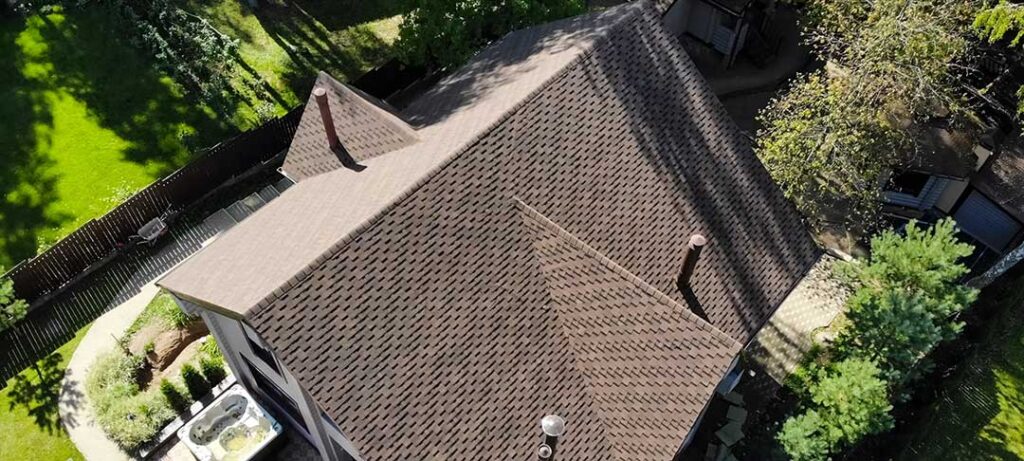
A roof cricket is a raised, wedge-shaped structure installed behind a chimney or another large roof obstruction. Its purpose is to divide and redirect water around the obstruction so rain, melting snow, and ice do not collect against it.
In Troy, NY, roof crickets can be especially useful because roofs must manage heavy rain, freeze-thaw cycles, and snow that may remain around chimneys for extended periods. A properly designed cricket helps protect one of the most vulnerable transition points on a roof.
What does a roof cricket look like?
A roof cricket is a small ridge or peaked structure built on the uphill side of a chimney. It resembles a miniature roof attached to the main roof surface.
The cricket usually has:
- Two sloping sides that direct water away from the chimney
- A raised center ridge running from the chimney toward the upper roof
- Metal flashing that connects the cricket to the chimney and surrounding roofing
- Roofing materials installed over its sloped surfaces
The structure is not placed in front of the chimney or at the lower edge. It is positioned on the uphill side, where water and snow naturally move toward the chimney.
A cricket may be framed with wood or built into the roof deck, then covered with underlayment, flashing, and the same general roofing material used elsewhere on the roof. Its exact shape depends on the chimney’s width, the roof pitch, and the amount of water the roof must handle.
Why is a roof cricket important?
A cricket prevents water from pooling and helps snow move around the chimney instead of pressing directly against it. Without one, a wide chimney can act like a dam on the roof.
Water flowing down a sloped roof reaches the uphill side of the chimney and is forced to split around both sides. If the chimney is narrow, the roof may shed this water adequately. If the chimney is wide, however, the water may slow down, collect, or remain trapped against the masonry.
A cricket improves drainage by:
- Dividing the flow before it reaches the chimney
- Increasing the slope behind the obstruction
- Directing water toward the roof’s side channels
- Reducing standing water near flashing joints
- Helping limit snow buildup directly against the chimney
This drainage function matters because roofing systems are generally designed to shed water, not store it. Repeated wetting around a chimney can eventually affect flashing, roof decking, insulation, framing, and interior finishes.
Do all chimneys need a roof cricket?
No. A cricket is not automatically required for every chimney. Its usefulness depends mainly on the chimney’s width, location, roof slope, and exposure to water and snow.
A narrow chimney may not need a separate cricket if properly installed step flashing and counterflashing can direct water around it. A wider chimney, particularly one that spans a substantial portion of the roof slope, is more likely to benefit from a raised structure behind it.
The chimney’s position also matters. A chimney located near the roof ridge may receive less concentrated runoff than one placed farther down the slope. A chimney below a large roof area may collect more water and snow, increasing the value of a cricket.
Building requirements and accepted construction practices can also vary according to the design and age of the structure. Existing homes may have been built under earlier standards, while newer work may follow different requirements. The presence or absence of a cricket should therefore be evaluated as part of the entire roof and chimney design rather than judged by appearance alone.
How does a roof cricket protect chimney flashing?
The cricket and the flashing work together. The cricket redirects water, while flashing seals the joint between the chimney and the roof.
Without adequate drainage, flashing around the uphill side of a chimney may be exposed to prolonged moisture. Mortar joints can also deteriorate when water repeatedly enters small gaps and then freezes. During a freeze-thaw cycle, trapped moisture expands as it freezes and can widen cracks in masonry or weaken adjacent materials.
A properly built chimney cricket generally includes:
- Step flashing along the sides of the chimney
- Headwall or apron flashing near the upper transition
- Counterflashing set into the chimney mortar joints or masonry
- Continuous weather-resistant layers beneath the visible roofing
- Carefully sealed transitions at corners and changes in direction
Sealant alone is not a substitute for correctly shaped and layered flashing. Caulk can shrink, crack, or separate over time, especially where roofing materials and masonry expand at different rates.
What problems can occur if a chimney has no cricket?
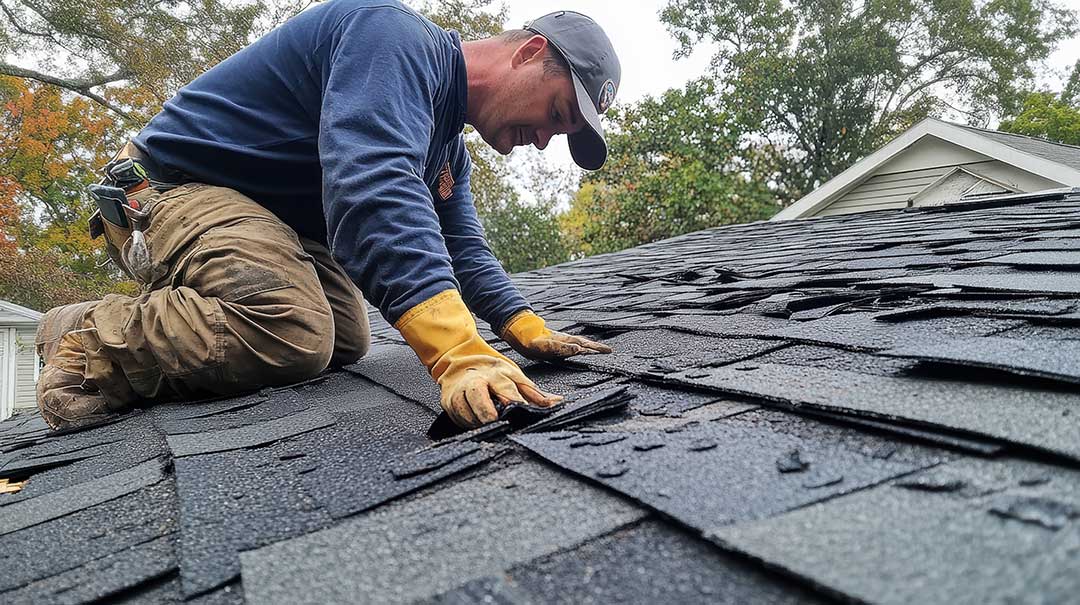
The absence of a cricket does not automatically mean a roof will leak, but it can increase the chance of drainage problems around a wide chimney.
Common symptoms include:
- Water stains on ceilings or upper walls near the chimney
- Damp insulation in the attic
- Soft or discolored roof decking
- Damaged mortar joints
- Rusted or displaced flashing
- Moss or algae growth where moisture remains
- Shingle wear concentrated behind the chimney
- Ice buildup around the uphill side during winter
Some leaks appear only during wind-driven rain or snowmelt. A roof may remain dry during ordinary rainfall but leak when water is pushed uphill or when melting snow backs up against flashing.
Interior staining may also appear some distance from the actual leak. Water can travel along roof decking, rafters, insulation, or framing before becoming visible inside the building.
Are roof crickets useful in Troy’s winter climate?
Yes, they can be particularly useful where roofs experience snow accumulation, ice, and repeated temperature changes. In Troy, winter conditions may cause snow to collect behind roof obstructions and then melt unevenly during warmer periods.
A snow-covered roof can hide the condition of the flashing for weeks. When melting begins, water may move beneath snow layers and reach small weaknesses around the chimney. If the chimney creates a low-drainage area, meltwater can remain against the flashing longer than it would on an unobstructed roof.
A cricket does not eliminate ice dams or guarantee that a roof will remain leak-free. Roof insulation, ventilation, air leakage, roof slope, flashing quality, and snow conditions also influence winter performance. The cricket is one part of a larger water-management system.
Can a roof cricket be added to an existing roof?
In many cases, a cricket can be added during roof replacement or a major repair, although the work may require removing roofing around the chimney. The existing roof structure, chimney condition, roof pitch, and available space must be considered before construction.
Adding a cricket is more involved than attaching a small surface piece over existing shingles. A lasting installation may require changes to the roof decking, framing, underlayment, flashing, and roofing materials. The chimney masonry may also need attention if mortar joints are cracked or the chimney has shifted.
Because the work involves roof edges, masonry, and fall hazards, inspection or construction should not be treated as a casual do-it-yourself project. Safe access and correct integration with the existing roof are necessary for the cricket to perform as intended.
How can homeowners recognize a well-designed cricket?
From the ground, a cricket may be difficult to see, especially on a steep roof. Its quality is better judged by its shape, drainage, and connection to the flashing than by its appearance alone.
A sound design should provide a clear slope away from the chimney, avoid areas where water can pond, and connect smoothly with the roof covering. Flashing should appear integrated rather than relying on exposed blobs of sealant.
During routine observation from the ground or attic, residents can look for signs of trouble without climbing onto the roof. Pay attention to staining, damp odors, damaged masonry, visible rust, or recurring leaks after rain and snowmelt. These signs do not identify the exact cause by themselves, but they indicate that the chimney-roof intersection deserves closer evaluation.
A roof cricket is a relatively small part of a roofing system, yet it addresses a major drainage challenge. By lifting and dividing water and snow before they reach a chimney, it helps reduce stress on flashing and lowers the risk of moisture entering the roof structure.
