
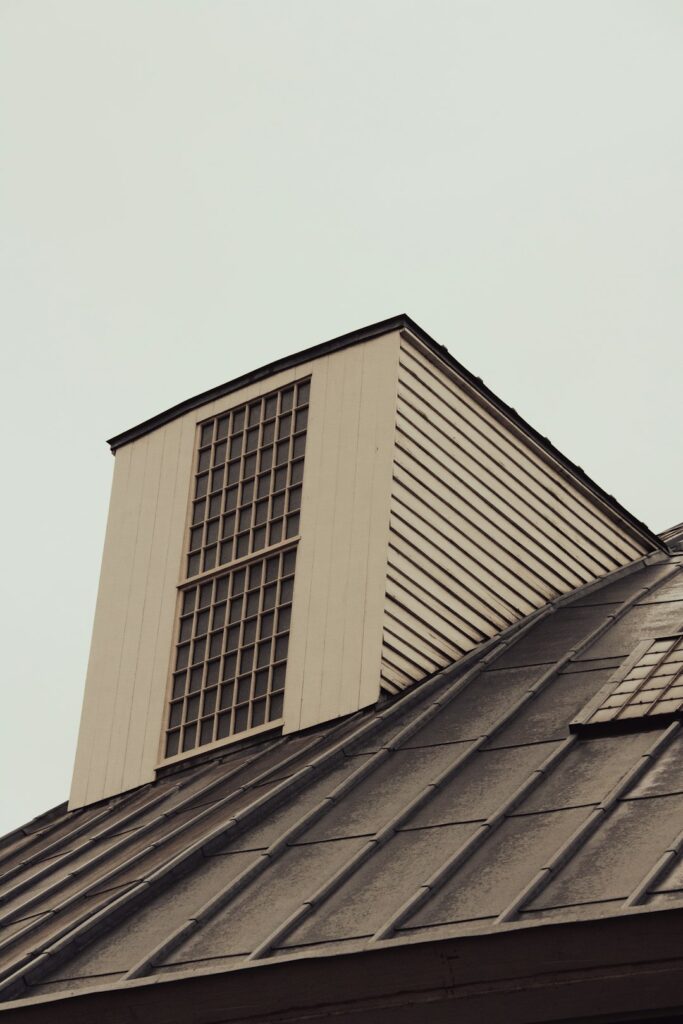
What makes a roofing material durable?
The most durable roofing material depends on more than its advertised lifespan. A roof must withstand moisture, snow, wind, freeze-thaw cycles, summer heat, falling branches, and the building’s structural limits. Installation quality, roof slope, ventilation, flashing, drainage, and maintenance often matter just as much as the material itself.
For homes in Troy, winter conditions make resistance to ice, snow, repeated freezing, and water intrusion especially important. A durable roof should not only survive normal weather but also continue protecting the roof deck and interior during long periods of dampness and temperature changes.
The longest-lasting roofing materials commonly include:
- Natural slate
- Standing-seam or other properly designed metal roofing
- Clay or concrete tile
- Synthetic slate and composite roofing
- High-quality architectural asphalt shingles
Each has different strengths, costs, weight requirements, repair considerations, and suitability for individual homes.
Is natural slate the longest-lasting roofing material?
Natural slate is widely regarded as one of the longest-lasting roofing materials. Good-quality slate can remain serviceable for many decades and, in some cases, for a century or more when the roof structure, fasteners, flashing, and installation are sound.
Slate is made from natural stone and resists rot, insects, ultraviolet exposure, and many forms of moisture damage. It also provides strong fire resistance. Historic homes and older buildings may already have slate roofs, making preservation of the existing material preferable to replacing it unnecessarily.
The main limitation is weight. Slate is substantially heavier than asphalt shingles and may require a roof structure designed to carry that load. It can also crack if walked on improperly or struck by falling objects. Repairs require matching the thickness, size, color, and fastening method of the existing slate.
Slate is most appropriate when the building can support it and when long service life is more important than ease of installation or low initial cost.
How durable is a metal roof?
Metal roofing can provide excellent long-term performance, particularly when the panels, fasteners, seams, coatings, and underlayment are selected for the building and climate. Properly installed systems may last several decades, with some standing-seam roofs lasting longer when maintained correctly.
Metal resists rot, insect damage, and cracking. It sheds snow more readily than some rough-surfaced materials, although snow guards may be needed above entrances, walkways, or lower roof sections. Metal roofing is also relatively light compared with slate, tile, or concrete.
Durability varies widely by design. A properly detailed standing-seam system is different from thin panels with exposed fasteners. Exposed fasteners can loosen, lose sealing washers, or develop corrosion over time. Scratches, incompatible metals, trapped debris, and poor detailing around chimneys or roof penetrations can also shorten service life.
In a snowy climate, metal roofing should be evaluated for safe snow shedding, ice-dam protection, ventilation, and water control. A roof that sheds snow effectively is not automatically a roof that manages melting snow safely.
Are clay and concrete tiles durable in cold climates?
Clay and concrete tiles can last for many decades and are highly resistant to rot, insects, and fire. Clay tiles are especially stable against ultraviolet exposure and moisture. Concrete tiles are strong, but their performance depends on manufacturing quality, installation, drainage, and exposure to repeated freezing and thawing.
The principal concern is weight. Tile roofs can be much heavier than asphalt or metal systems, so the roof framing must be capable of supporting them. Tiles can also crack from impact, improper walking, or thermal movement. Individual tiles may be replaceable, but the underlayment and flashing beneath them are critical parts of the roof assembly.
In areas with regular winter freezing, tile should be selected and installed with attention to water absorption, frost resistance, fasteners, ventilation, and ice-related drainage problems. Tile may be durable, but it is not suitable for every roof structure or roof slope.
What about synthetic slate and composite roofing?
Synthetic slate and composite roofing products are designed to imitate slate, wood shakes, or tile while reducing weight and simplifying installation. Their durability varies by formulation, reinforcement, thickness, and exposure rating.
Many composite products resist impact, moisture, insects, and ultraviolet exposure better than traditional wood materials. They are also lighter than natural slate and may be easier to handle during repairs. However, “synthetic” does not automatically mean permanent. Some products can become brittle, fade, or lose flexibility after prolonged exposure to sunlight and temperature changes.
When comparing products, examine the expected service life, impact testing, temperature range, fastening requirements, repair procedures, and availability of replacement pieces. A material that looks like slate but has a shorter practical life should be evaluated honestly rather than treated as equivalent to natural stone.
Are architectural asphalt shingles durable enough?
Architectural asphalt shingles are not usually the longest-lasting roofing material, but they can be a practical and durable choice for many homes. Higher-quality versions are thicker and more dimensional than basic three-tab shingles and generally offer better resistance to wind, weathering, and minor impact.
Their service life depends heavily on ventilation, roof slope, attic moisture, installation temperature, flashing, and exposure to wind and shade. In older neighborhoods with closely spaced homes and mature trees, moss, leaves, and debris can hold moisture against the shingles and accelerate wear.

Asphalt shingles are easier to repair and replace than slate or tile. They also place less weight on older framing. For many households, a well-installed architectural shingle system may provide a reasonable balance between durability, weight, maintainability, and cost, even if it does not last as long as slate or metal.
Which roofing material handles Troy winters best?
No single material is automatically best for every home. In Troy, the most important winter-related features include:
- Reliable ice-barrier protection at eaves and vulnerable roof edges
- Proper flashing around chimneys, walls, skylights, and vents
- Adequate attic ventilation and insulation
- Structural capacity for snow and the chosen roof covering
- Secure wind-resistant fastening
- Clear drainage paths for melting snow and rain
- Safe management of snow sliding from steep or smooth roofs
Freeze-thaw cycles can damage the roof covering, but water intrusion often begins at weak details rather than in the middle of the roof. Valleys, roof-to-wall intersections, penetrations, and gutter edges deserve particular attention.
State building requirements address roof coverings, underlayment, structural loading, and ice barriers. Existing homes may also have older framing, previous roof layers, or repairs that affect what material can be installed safely.
Does a longer lifespan always make a roof the better choice?
Not necessarily. A roofing material should match the building’s structure, slope, drainage design, appearance, maintenance expectations, and repair needs.
A very heavy roof may require structural work. A smooth metal roof may need snow-control measures. Slate may last for generations but require specialized repairs. Tile may be durable while still being vulnerable to broken pieces. Asphalt may have a shorter life but offer easier repairs and lower structural demands.
The most durable roof is therefore a complete system, not just a durable surface. The roof deck, underlayment, flashing, ventilation, fasteners, drainage, and workmanship all determine whether the selected material reaches its potential service life.
How can homeowners extend a roof’s useful life?
Regular observation can identify small problems before they become structural or interior damage. Look for missing or shifted roofing pieces, exposed fasteners, loose flashing, granule accumulation, sagging areas, blocked drainage, damp attic insulation, and water staining near roof penetrations.
After major wind or snow events, an exterior inspection from the ground can reveal obvious changes. Walking on slate, tile, or steep roofs can cause damage and create a fall hazard. Roof areas with suspected structural movement, active leaks, or heavy snow accumulation may require a qualified inspection for safety reasons.
Durability begins with choosing a compatible material, but it is preserved through sound detailing, adequate ventilation, controlled water flow, and timely maintenance.
