
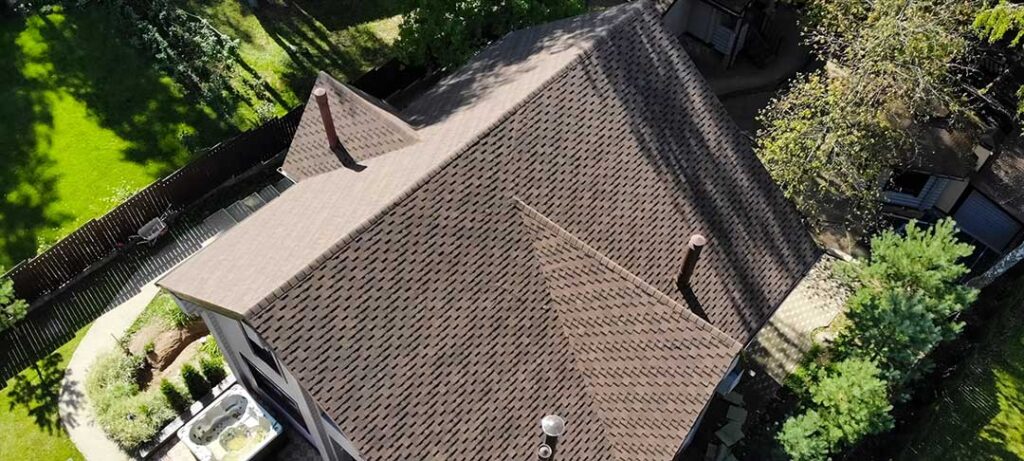
What Is Roof Ventilation and Why Does It Matter?
Proper roof ventilation controls airflow in a home’s attic, allowing stale, moist air to escape while drawing in fresh air. This process balances temperature and humidity year-round. For households in Troy, NY, good roof ventilation supports the long-term health and comfort of both buildings and residents. Without it, issues can develop quietly over time, potentially leading to expensive repairs or discomfort indoors.
How Does Roof Ventilation Impact Energy Efficiency?
Good attic ventilation helps stabilize indoor temperatures and eases the load on heating and cooling systems. During Troy’s cold winters, inadequate ventilation can cause attics to trap heat from inside the house. This warmth, combined with a cold roof, can create ice dams—thick ridges of ice at the roof's edge—which allow melted snow to seep under shingles and refreeze, damaging the roof and sometimes interior ceilings or walls.
In summer, attics can become stiflingly hot without proper airflow. This trapped heat radiates downward, raising the temperature inside living spaces and making air conditioning work harder. As a result, households may see increased utility bills and more frequent strain on HVAC systems.
How Does Ventilation Affect Moisture and Mold?
Ventilation is crucial for controlling attic moisture. In Troy, with its seasonal humidity changes and frequent freeze-thaw cycles, moisture can accumulate easily. Everyday activities such as cooking, showering, and even breathing produce water vapor that moves upward into attics. If ventilation is lacking, this moisture cannot escape, leading to damp insulation, wooden rafters, or decking.
Moist wood and insulation serve as ideal environments for mold and mildew. Once mold forms, it can spread through the attic and, in time, into living spaces. This diminishes indoor air quality and may lead to health concerns, particularly for those with allergies or respiratory sensitivities.
What Are the Signs of Inadequate Roof Ventilation?
Many homeowners only discover they have a ventilation problem when visible symptoms appear. Common local clues include:
- Ice dams or icicles forming along the roofline
- Wavy, blistered, or curling shingles
- Rusted nails or damp attic insulation
- A musty oder in the attic or upper floors
- Unexplained increases in heating or cooling costs
Regularly checking your attic and roof, particularly after Troy’s heavy snow storms or hot spells, can catch early signs and prevent more serious issues.
Is Roof Ventilation the Same for Every Home in Troy?
Roof ventilation needs can differ based on architectural style, roof pitch, and attic size. Common local housing styles—whether older two-story homes or newer builds—often have existing venting, but it may be blocked, outdated, or insufficient.
Key ventilation methods include:
- Ridge vents: Run along the roof’s peak, providing continuous airflow.
- Soffit vents: Located under the eaves, these allow fresh air to enter the attic.
- Gable vents: Installed in the gable ends of an attic for cross-ventilation.
- Static or turbine vents: Allow hot air to escape vertically from the attic.
The most effective setup usually combines intake vents (like soffits) with exhaust vents (like ridges), creating a balanced system. Simply adding more vents is not always the answer; the system must be designed to allow natural air movement without causing drafts or cold spots.
What Happens If Roof Ventilation Is Overlooked?
Overlooking attic ventilation can lead to a cycle of problems:
- Roof replacement or major repairs due to rotten sheathing
- Shortened lifespan of asphalt shingles from persistent heat or cold
- Degraded insulation, reducing its effectiveness
- Higher likelihood of mold growth, which can require costly remediation
- Persistent comfort problems—hot upstairs rooms in summer, chilly drafts in winter

Many area homeowners are surprised to learn that poor ventilation can void some roofing material warranties. Regularly ensuring sufficient, unobstructed attic airflow not only guards against hidden damage but preserves a home’s value over time.
Are There Misconceptions About Roof Ventilation in This Region?
A common misconception around Troy is that more ventilation is always better, or that it is only needed in hot climates. Actually, an unbalanced or excessive ventilation system can cause energy loss or introduce new moisture problems, especially in the city’s variable weather.
Another myth is that proper attic insulation eliminates the need for ventilation. While insulation keeps warm air out of the attic in summer and inside during winter, ventilation and insulation serve different but complementary roles.
Finally, some believe that newer homes do not need ventilation upgrades. However, changing building codes and renovations over the decades mean even relatively modern homes can have overlooked venting needs.
How Can Local Residents Maintain Roof Ventilation?
For Troy residents, taking these proactive steps can help maintain an effective ventilation system:
- Check for attic insulation blocking soffit vents
- Keep gable or ridge vents clear of nests or debris
- Inspect attics during seasonal transitions for condensation on rafters or insulation
- Monitor for ice dams during winter and address the causes if they form
- When roofing work is planned, discuss ventilation with the crew to ensure proper design
Most maintenance is safe for able-bodied residents. However, if the attic is difficult to access, or if there are signs of electrical hazards or visible mold, it is important to prioritize safety and consult city guidance or resources as needed.
Proper roof ventilation, when maintained and understood, protects homes in Troy from avoidable damage, keeps energy use manageable, and sustains a comfortable living environment across all four seasons.
