
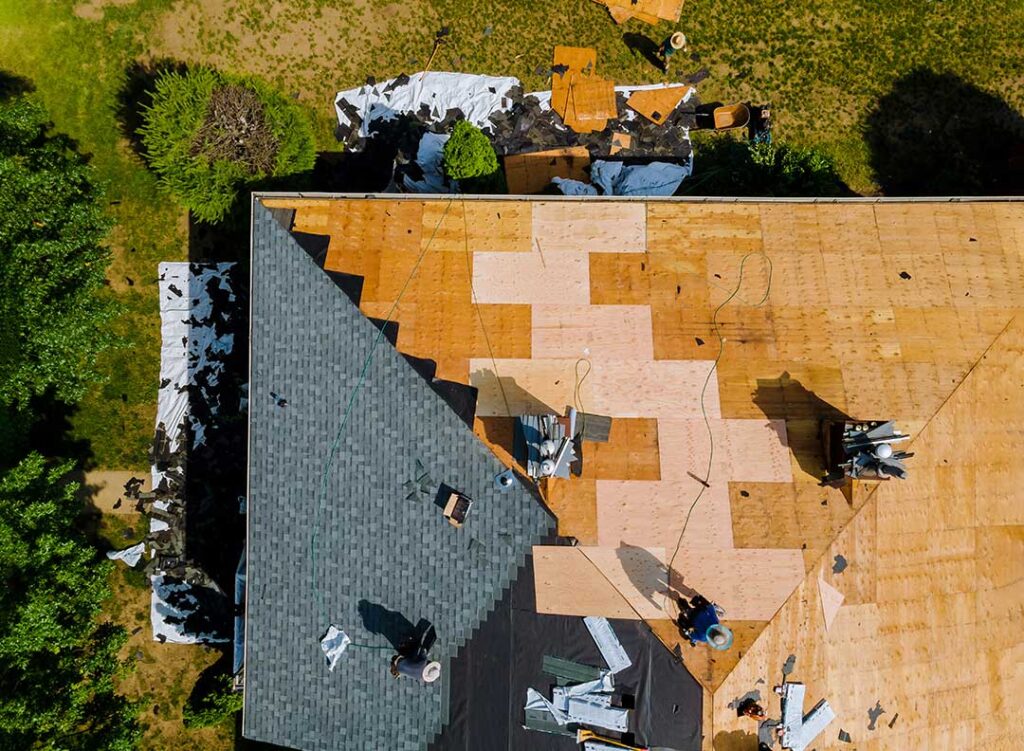
Can a sports ball really damage a roof?
Yes. A baseball, softball, lacrosse ball, hockey ball, soccer ball, or basketball can damage roofing materials when it strikes with enough force. The result may be a visible crack, a loosened shingle, a dented metal panel, or damage that is not obvious until water enters during rain or melting snow.
For residents of Troy, NY, the risk can be higher when homes have nearby driveways, narrow lots, shared yards, fences, or roof sections that sit close to recreational areas. A ball does not need to break through the roof to create a leak. Repeated impacts can weaken the surface and shorten the useful life of individual roofing components.
Which sports balls are most likely to cause roof damage?
Hard, fast-moving balls pose the greatest risk. Baseballs, softballs, lacrosse balls, field hockey balls, and certain practice balls can strike with enough energy to fracture or dislodge roofing materials. A wet or compacted tennis ball can also cause damage if it is thrown or hit forcefully.
The risk depends on several factors:
- Ball hardness: Dense balls transfer more force than soft foam or lightweight practice balls.
- Speed: A ball hit with a bat or stick is more likely to cause damage than one tossed by hand.
- Distance: A short distance can still be dangerous if the ball is struck at high speed.
- Roof material: Older or brittle materials may crack more easily than newer, flexible materials.
- Impact location: Vulnerable areas include roof edges, ridges, flashing, vents, skylights, and exposed fixtures.
- Existing condition: Weathered, loose, or previously damaged materials may fail after a relatively minor impact.
Asphalt shingles can split, lose their protective surface granules, or become loosened around the fasteners. Metal roofing may dent or develop a crease. Flat roofing membranes can puncture or separate at seams. Clay or concrete roofing products may crack or break outright.
What types of damage should homeowners look for?
The most common signs are displaced materials, fresh marks, and water intrusion. Some damage is easy to see from the ground, while other problems require a closer inspection from a safe location.
After a ball strikes the roof, look for:
- A shingle that is missing, lifted, curled, or sitting at an unusual angle
- A dark impact mark or exposed underlayer
- Small piles of roofing granules in gutters or near downspouts
- A dent or crease in a metal roof panel
- Cracked ridge caps, vent covers, or flashing
- A broken skylight, vent, chimney cover, or roof-mounted fixture
- Water stains on ceilings, attic wood, or upper wall surfaces
- Damp insulation or a musty odor in the attic
A roof can remain dry immediately after an impact if the weather is clear. Leaks may appear later, especially when wind-driven rain, freezing precipitation, or melting snow moves water beneath a damaged area.
Does a ball always cause an immediate leak?
No. A direct puncture may allow water inside quickly, but many impacts create a delayed problem. A shingle may lose its seal without being removed. A small crack may remain dry until water is pushed sideways by wind. Damage near a roof penetration may not leak until the surrounding flashing shifts.
Seasonal conditions can make the problem more noticeable. In Troy, winter freeze-thaw cycles can enlarge a small crack or separate roofing materials that were only slightly disturbed. Snow and ice can also hide evidence of an impact for weeks. By the time staining appears indoors, the original mark may be difficult to identify.
Are older roofs more vulnerable?
Usually, yes. Roofing materials become less flexible as they age. Asphalt shingles may dry out, lose surface granules, and crack more readily. Sealant around flashing and penetrations can also harden or separate.
Age is not the only factor. A relatively new roof can be damaged by a high-speed ball, especially near an edge or roof opening. Previous storm damage, poor ventilation, improper installation, and repeated foot traffic can also make a surface less resistant to impact.
A ball strike may therefore reveal a weakness that was already developing. That does not mean the impact had no role; it may have been the event that turned a minor weakness into visible damage.
Can sports balls damage gutters and other roof components?
Yes. Gutters, downspouts, fascia, soffits, vents, and flashing can all be affected. A ball that hits a gutter may bend it away from the roofline or loosen its supporting hardware. A damaged gutter can then overflow or direct water toward siding, trim, windows, or the foundation.
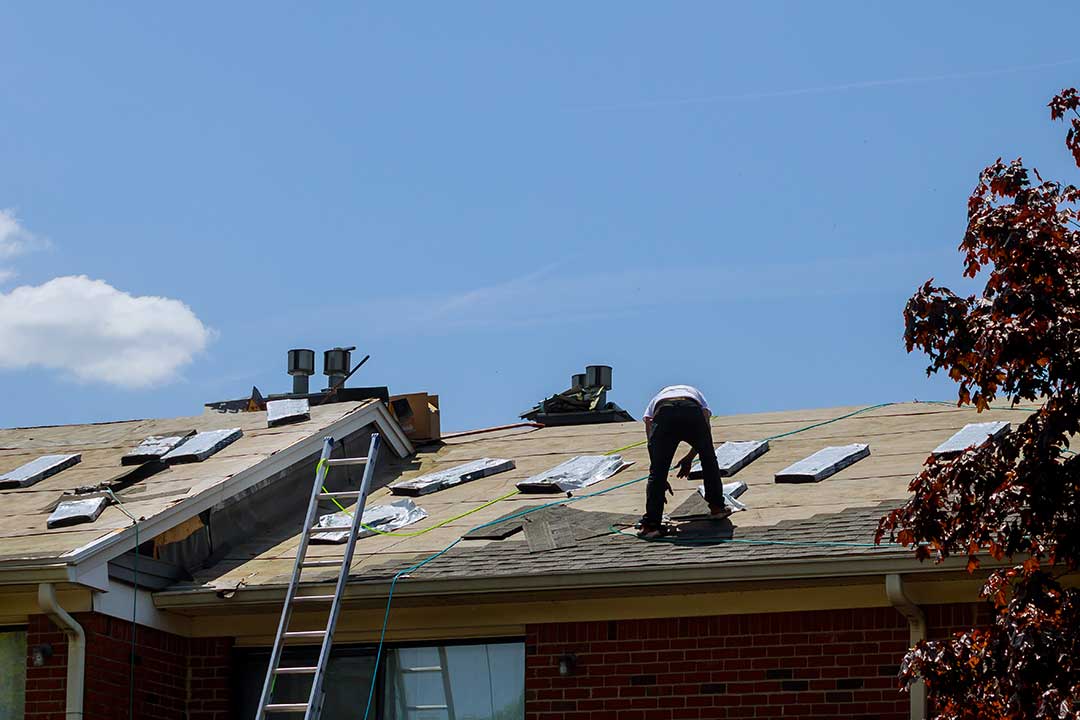
Roof vents are another concern. Plastic vent covers can crack, while metal vents may dent or pull away from their seals. A ball striking a chimney cap, skylight, or solar-related component can create a more serious opening than damage to a single shingle.
These components are often overlooked because they are smaller than the main roof surface. However, a small opening around a vent or flashing edge can admit substantial water during a prolonged storm.
How can households reduce the risk?
The most effective approach is to keep high-speed play away from the roofline. Designated play areas should be positioned where a missed hit cannot reach the house, garage, porch roof, or neighboring structures.
Practical precautions include:
- Use soft practice balls near buildings.
- Keep batting, stick sports, and throwing games pointed away from structures.
- Avoid playing on narrow driveways or enclosed spaces where rebounds are unpredictable.
- Use a properly anchored net when practicing swings or shots.
- Do not aim toward roof edges, windows, gutters, or dormers.
- Move portable goals, nets, and targets farther from the house when possible.
- Teach children that a ball on a roof should not be retrieved by climbing.
A ball landing on a roof is not automatically evidence of damage. The risk increases when it strikes at speed or when someone attempts to retrieve it using a ladder, pole, or by stepping onto the roof.
What should someone do after a ball hits the roof?
Start with a ground-level visual check from several angles. Binoculars can help identify lifted shingles, dents, broken fixtures, or unusual marks without creating a fall hazard.
If water is entering the home, place a container under the drip and move furnishings away from the area. Avoid walking on a wet ceiling or climbing onto a roof, particularly during rain, snow, ice, strong wind, or freezing temperatures.
A safe inspection may require checking the attic from the floor or a stable access point. Look for daylight, damp wood, wet insulation, or fresh staining, but do not crawl across roof framing unless the area can be reached safely.
Prompt attention is especially warranted when the impact involves a skylight, vent, chimney flashing, metal seam, or a large section of roofing. These areas can allow water to travel beneath the surface and cause damage beyond the visible impact point.
Does homeowners insurance cover sports-ball damage?
Coverage depends on the specific policy, the source of the damage, and the circumstances. Accidental damage caused by a child or guest may be treated differently from intentional damage or damage connected to an organized activity. Deductibles may also exceed the cost of a minor repair.
Photographs, the date of the incident, weather conditions, and a description of what happened can help document the situation. Avoid discarding damaged materials before the condition has been recorded if an insurance question may arise.
A careful inspection is useful even when no leak is visible. Some damage affects only the roof’s protective surface at first and becomes more serious after the next period of rain, wind, snow, or freezing temperatures.
