
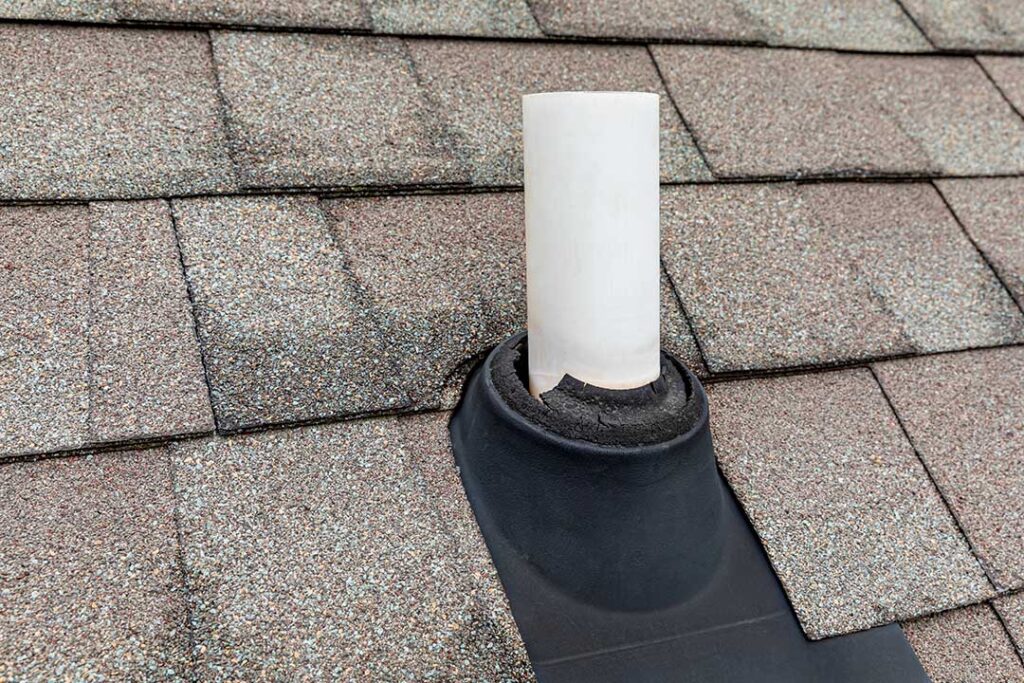
What does it mean to match replacement shingles?
Matching replacement shingles means choosing new roofing materials that are as close as reasonably possible to the existing shingles in color, shape, size, texture, and exposure. A good match helps a repair blend into the roof rather than creating an obvious patch.
A perfect match is not always possible. Asphalt shingles change appearance over time because of sunlight, weather, airborne deposits, algae growth, ice, snow, and normal aging. Even shingles from the same manufacturer and product line may look different after several years of exposure.
For homes in Troy, NY, matching can be especially challenging after repeated freeze-thaw cycles, winter snow, wind, and summer sun have altered the original roofing material.
How can the existing shingles be identified?
Start by examining loose shingles, unused bundles, attic storage, or records from the original roof installation. The underside of a shingle may contain a manufacturer name, product code, date mark, or other identifying information.
Useful clues include:
- Shingle color and color blend
- Three-tab or architectural design
- Shingle dimensions
- Number and placement of exposed tabs
- Texture and thickness
- Granule size and distribution
- Manufacturer markings on the back
- Approximate installation year
- Roof section where the shingles are installed
The roof’s visible color can be misleading. Dirt, moss, algae, fading, and shadows may make the shingles appear darker or more varied than their original color. Looking at a protected area, such as a section beneath a raised flashing edge, can provide a better indication of the original shade.
Can a different brand or product line be used?
A different brand can sometimes be used for a small repair, but the visual result may be noticeably different. Shingles vary in dimensions, color blending, surface texture, thickness, and how their edges align.
Even products described with similar color names may not match in practice. A “weathered gray” or “charcoal” shade can differ substantially between product lines. Architectural shingles also tend to have more variation than older three-tab shingles, making differences in shadow lines and pattern more visible.
The physical fit matters as much as the color. A replacement shingle should be compatible with:
- The existing shingle profile
- The roof slope
- The installation method
- The location of the repair
- The surrounding flashing and underlayment
- The manufacturer’s fastening requirements
A shingle that looks close but does not fit properly can create lifted edges, uneven courses, exposed fasteners, or water-entry points.
Why do replacement shingles sometimes look too dark or too light?
New shingles usually look cleaner, sharper, and more saturated than older shingles. The repaired area may appear darker because the new granules have not yet weathered. In other cases, the original shingles may have faded, leaving the replacement looking unusually dark or rich.
Lighting also affects the comparison. A sample viewed in a store, garage, or shaded area may look different on a roof under direct sunlight. Color can change throughout the day as the angle of light changes.
Before deciding whether a match is acceptable, compare the sample:
- In direct and indirect daylight
- From ground level and a short distance away
- Against shingles on the same roof slope
- After removing loose dirt from a small test area
- Under the roof’s actual surrounding conditions
A sample should not be judged only by holding it next to a single shingle. Roofs often contain natural color variation across an entire slope.
Is it better to replace only damaged shingles or an entire roof section?
The answer depends on the extent of damage, the age of the roof, and how closely a replacement can blend. A small number of missing or cracked shingles may be suitable for individual replacement when the surrounding materials remain sound.
A larger repair area may be more practical when damage affects several adjoining courses or when wind has loosened shingles across a broad section. Replacing a defined roof section can produce a more uniform appearance, but it may still be visible if the surrounding roof has aged significantly.
An older roof also deserves a broader inspection. If shingles are brittle, losing granules, curling, splitting, or showing widespread discoloration, replacing only one or two pieces may solve the immediate appearance problem without addressing other areas near the end of their useful service life.
How should a replacement shingle be prepared to blend in?
A replacement shingle may be adjusted visually, but it should not be altered in a way that weakens its weather protection. Scraping granules, cutting away important sealing areas, or changing the shingle’s intended dimensions can interfere with proper performance.
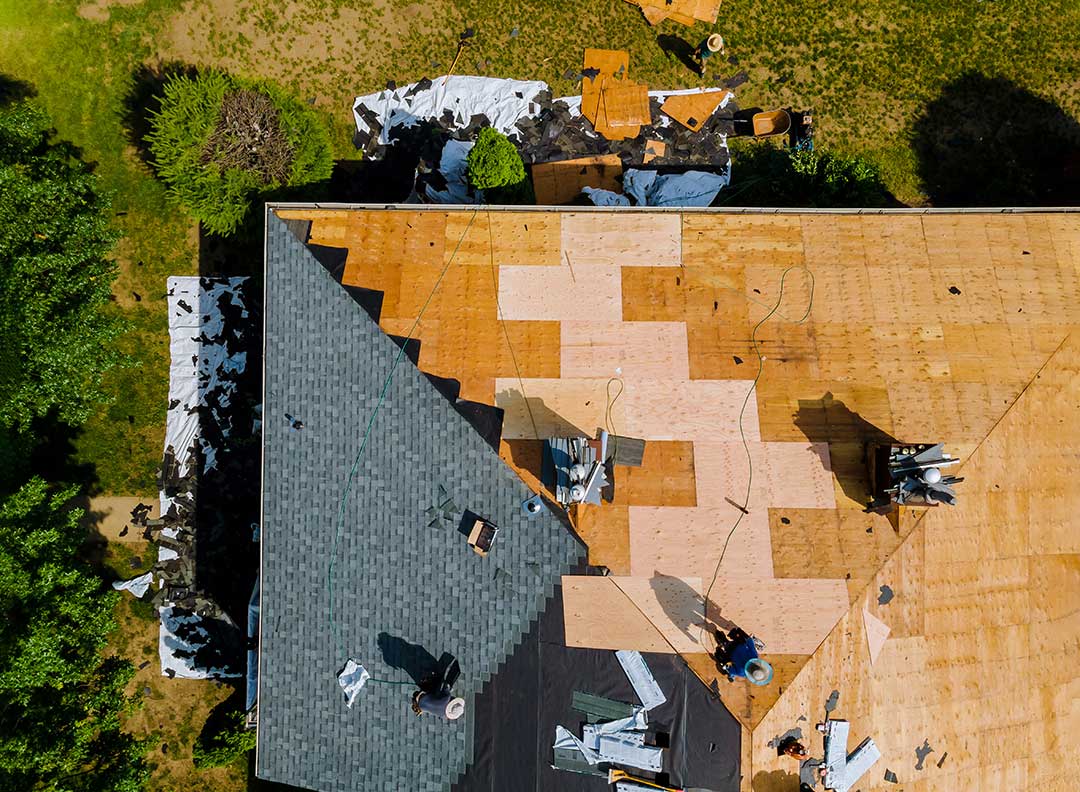
For a small repair, the surrounding shingles may need to be gently lifted so the replacement can be installed beneath the correct overlapping courses. Fasteners should be placed in the locations required for that shingle design, and the factory-applied seal strip must remain properly positioned.
In cold weather, asphalt sealing strips may not bond immediately. That matters in Troy, NY, where repairs may be made during cool spring, late fall, or winter conditions. A shingle that has not sealed can be more vulnerable to wind until warmer conditions allow the adhesive to activate. Temporary hand-sealing may be appropriate in some situations, but only with a compatible roofing sealant and careful application.
What common mistakes make a repair stand out?
Several mistakes can make a replacement more noticeable or reduce its service life:
- Choosing by color name alone
- Ignoring differences between three-tab and architectural shingles
- Using a shingle with a different exposure length
- Comparing a new sample only in artificial light
- Installing a replacement over damaged underlayment
- Failing to inspect nearby flashing or roof penetrations
- Using excessive sealant to hide an imperfect fit
- Mixing shingles with visibly different thicknesses
- Assuming the newest shingle should be placed in the most visible location
A common misconception is that a perfect color match guarantees a good repair. Installation alignment, course spacing, shingle profile, and the condition of the surrounding roof often have a greater effect on how natural the repair looks.
When is matching no longer practical?
Matching becomes difficult when the original shingles are discontinued, the roof has significant fading, or the existing material has been exposed for many years. It may also be impractical after storm damage affects a large portion of the roof.
In those cases, the most realistic options may include using the closest compatible material, replacing a larger roof plane so the change appears intentional, or considering a complete reroof when the existing materials are broadly deteriorated.
Safety also affects the decision. Steep slopes, icy surfaces, fragile shingles, and roof edges create fall and handling hazards. Repairs involving damaged decking, exposed underlayment, active leaks, or extensive storm damage require careful evaluation rather than a cosmetic patch alone.
What is the best way to document shingles for future repairs?
Keep a small sample of the installed shingle, along with any packaging, invoices, warranty information, and installation date. Photographs of the roof from several angles can also help document the original pattern and color.
A useful record includes:
- Product manufacturer and line
- Color name or code
- Shingle style
- Installation year
- Roof areas where the product was used
- Any remaining bundles or spare shingles
This information can make future repairs more accurate, especially after years of weather exposure. For local households, storing a few spare shingles in a dry, temperature-stable location is often more useful than relying on memory or a faded roof appearance.
