
Why Is Roof Preparation Crucial for Hurricane Season in Troy, NY?
Severe storms and the remnants of hurricanes can bring heavy rain, intense wind, and flying debris to the area. Roofs in Troy, NY are often the first line of defense. Proper preparation limits water intrusion, structural damage, and costly repair needs during and after major storms.
Troy, NY receives occasional high winds and torrential rainfall from remnants of Atlantic and Gulf storms traveling inland. These events are unpredictable and sometimes arrive after periods of dry weather that can mask underlying roof issues, making local readiness especially important for both older and newer homes.
How Do You Inspect a Roof Before Hurricane Season?
Begin with a visual inspection from the ground and from inside your attic if possible. Look for trouble spots that could worsen in strong winds or heavy rain.
- Scan for missing, cracked, or curling shingles and loose or exposed nail heads.
- Examine the roof’s ridge and edges for secure fastenings and any obvious gaps.
- From the attic, check for daylight showing through roof boards and any damp insulation or existing water stains.
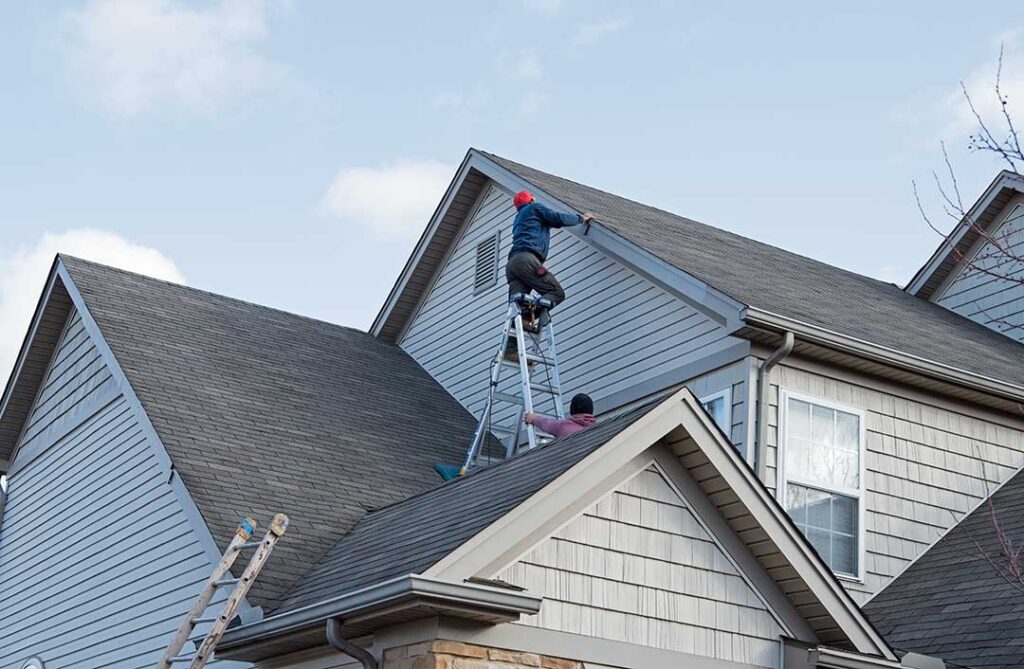
If you’re comfortable on a ladder and it’s safe, a closer look at the gutters, roof surface, and any flashing gives added assurance. However, avoid walking on the roof if conditions are steep, wet, or the materials are fragile.
A common misconception is that minor shingle issues can wait until after a storm. In reality, small defects can quickly turn into extensive leaks and interior damage during heavy weather.
What Preventive Maintenance Should Be Done?
Routine upkeep makes a major difference:
- Clean all gutters and downspouts so water moves freely away from the roof and foundation. Blocked or sagging gutters easily overflow in heavy rain, causing leaks at eaves and fascia boards.
- Trim back any tree branches that could whip against or fall onto the roof during high winds, as local neighborhoods often have mature trees close to homes. Limb contact with shingles can strip granules or tear off entire sections.
- Secure all attic vents, flashing, and roof penetrations. Use roofing caulk or a waterproof sealant where gaps or lifted edges appear around vents, chimneys, skylights, or pipes. Flashing is particularly vulnerable and can be overlooked in basic roof checks.
Neglecting these basic steps makes roofs in Troy, NY much more susceptible to water infiltration during extreme weather.
Which Roof Features Need Special Attention in This Area?
Older homes and some newer developments in the city have unique roof details that need extra care:
- Flat or low-slope roofs are common on many buildings. These require especially clear drainage paths and prompt patching of any membrane cracks or pooled water areas.
- Roof valleys and intersections where multiple roof planes meet are prime leak spots if flashing is loose or debris collects.
- Asphalt shingles—widely used locally—are prone to edge lifting after freeze-thaw cycles, leaving them more vulnerable to wind gusts.
If your home features dormers, chimneys, or historic architectural elements, these areas may use outdated flashing materials or have been patched with caulk that no longer withstands intense rainfall. Prioritizing these details helps prevent widespread water damage during storm season.
How Can Local Residents Secure Roof Attachments and Avoid Wind Damage?
Accessories and additions are frequently overlooked during storm preparations:
- Remove or firmly secure satellite dishes, antennae, and solar panels. Anything loosely anchored can become a wind-blown hazard.
- Fasten any roof-mounted HVAC equipment, ensuring all brackets and tie-downs are tight.
- Check that skylight covers are securely latched or bolted, and seal around the perimeter to block water entry.
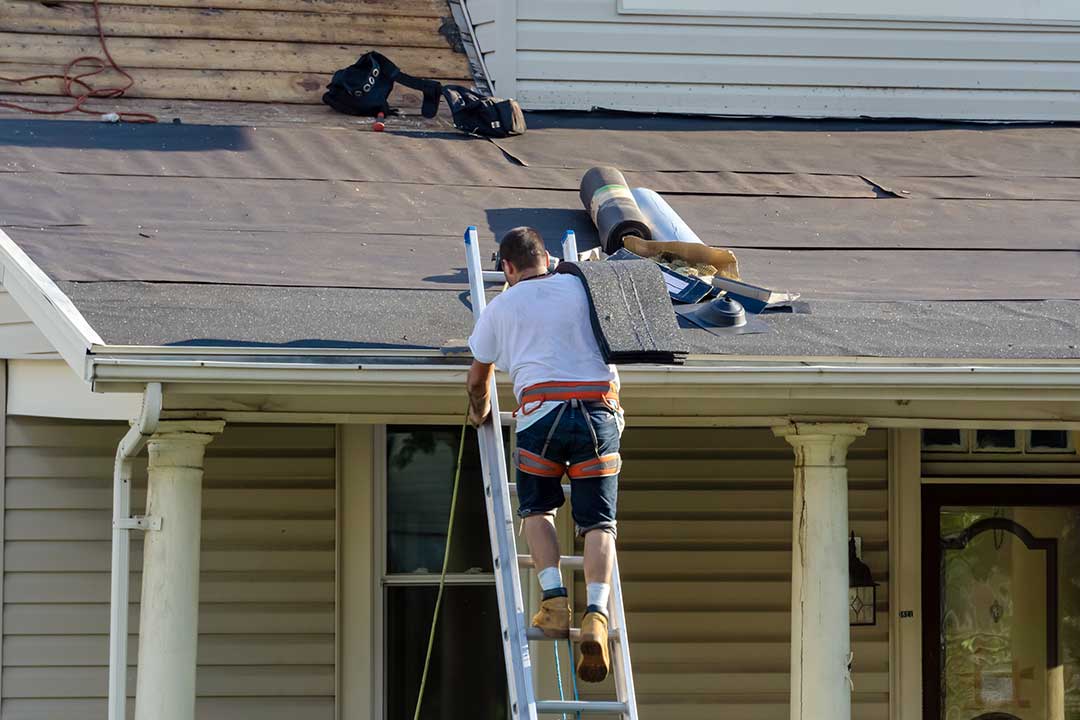
Contrary to popular belief, tarps and makeshift boards are rarely effective if applied just before a storm. Take time now to properly address weaknesses for much greater long-term protection.
Are There Local Codes or Practices to Consider?
Troy, NY follows New York State building codes, which emphasize secure roof fastening and proper materials. Repairs or upgrades must meet these requirements, especially if your insurance policy is tied to code compliance.
City regulations also require clear gutters and eavestroughs to reduce roof and sidewalk flooding during storms. Always dispose of debris safely and avoid blocking public storm drains when clearing your roof and gutters.
What Precautions Should Be Taken Right Before a Storm Hits?
Even with a well-maintained roof, a last-minute sweep helps limit damage:
- Re-check that gutters and drains are clear if leaves or twigs have fallen since your initial preparation.
- Move vehicles, yard tools, and outdoor furniture away from the house to prevent anything from striking the roof in high winds.
- Close any attic windows or roof hatches tightly to stop wind-driven rain.
If you notice a new area of raised shingles or rattling flashing just before a storm, it’s generally safer to leave repairs for after conditions have calmed—unless it poses an immediate risk of collapse. Small fixes done hastily on a wet or windswept roof can be dangerous.
What Should You Do After a Hurricane or Severe Storm?
Once conditions are safe, walk your property looking for signs of damage:
- Note any missing shingles, visible gaps, or large debris on the roof.
- Check attic spaces and top-floor ceilings for dampness or new water stains.
- Monitor areas around roof edges, chimneys, and flashings for delayed leaks. Sometimes water appears only after multiple rain events post-storm.
Promptly clearing minor debris and keeping a careful eye on indoor leaks allows for quick response to prevent further damage.
