
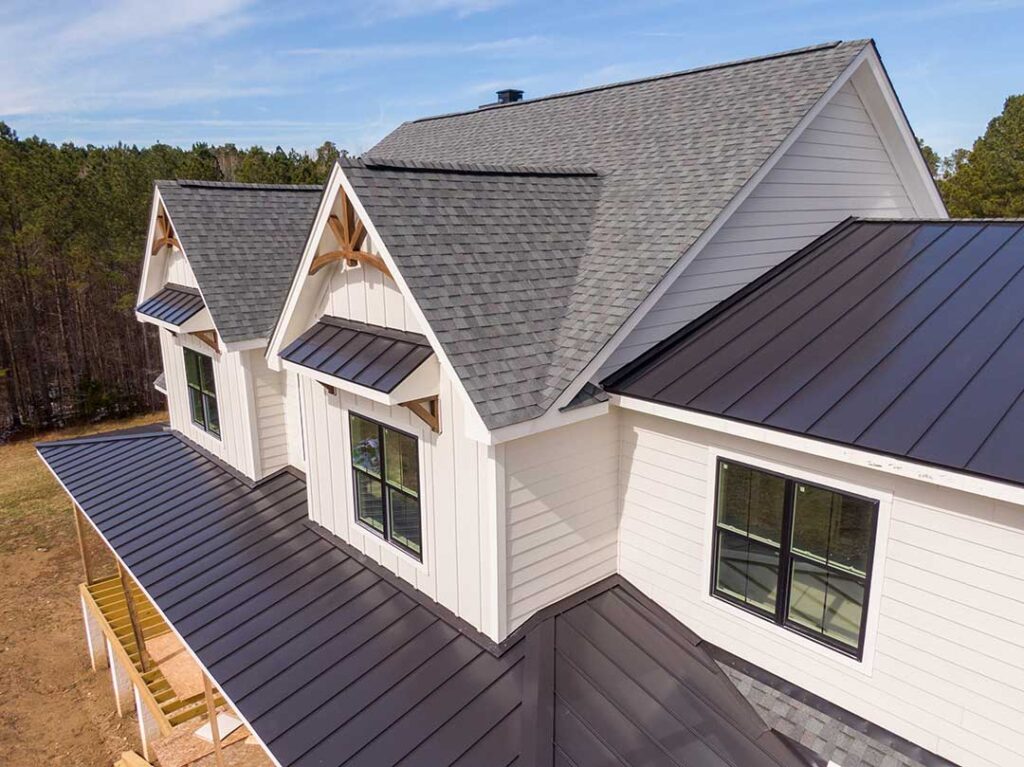
What does sun exposure do to a roof?
Sun exposure gradually affects roofing materials through heat, ultraviolet radiation, and repeated daily temperature changes. The damage is usually slow rather than dramatic, but over several years it can cause fading, brittleness, cracking, curling, and earlier loss of water-shedding performance.
For homes in Troy, NY, sunlight is only one part of the roof’s seasonal workload. Roofing materials may absorb strong summer heat, cool rapidly after sunset, and then face snow, ice, wind, and freeze-thaw cycles later in the year. A roof that receives direct afternoon sun can age differently from one shaded by mature trees or nearby structures.
Why does ultraviolet light wear out roofing materials?
Ultraviolet, or UV, radiation breaks down the chemical compounds that help roofing materials remain flexible and weather-resistant. Asphalt shingles gradually lose some of the oils and binders that hold the material together. As this happens, the surface may become less resilient and more likely to crack or shed protective granules.
Common signs of UV-related aging include:
- Faded or uneven color
- Brittle shingle surfaces
- Small cracks around exposed areas
- Granules collecting in gutters
- Curling or lifting edges
- Bald patches where the underlying mat is visible
Color change alone does not prove that a roof is failing. Some fading is normal, especially on slopes that receive many hours of direct sunlight. More concern is warranted when fading occurs along with granule loss, exposed fiberglass mat, cracking, or shingles that no longer lie flat.
Can heat damage a roof even when there is no visible leak?
Yes. Heat can weaken roofing materials before water enters the house. Dark roof surfaces absorb solar energy, and attic temperatures can rise substantially when ventilation and insulation are inadequate. Repeated heating and cooling cause materials to expand and contract, placing stress on shingle seals, flashing, roof edges, and joints.
Heat-related problems may develop gradually:
- Shingles become less flexible and more prone to cracking.
- Seal strips may weaken, allowing wind to lift shingle edges.
- Roofing cement and other exposed compounds may dry out.
- Metal flashing may expand and contract at a different rate than nearby materials.
- Attic sheathing may experience greater temperature stress.
A roof does not need to feel hot from the ground for heat exposure to matter. The most affected areas are often south- and west-facing slopes, which commonly receive the strongest or longest afternoon sunlight.
Does roof color affect sun exposure?
Roof color influences how much solar heat the surface absorbs. Darker materials generally become hotter in direct sun, while lighter-colored surfaces tend to reflect more sunlight. However, color is not the only factor that determines roof temperature.
Roof age, slope, ventilation, insulation, surrounding shade, and the type of roofing material all contribute. A light-colored roof with poor attic ventilation may still experience damaging heat buildup. Likewise, a dark roof with good ventilation and sound materials may perform normally for many years.
Reflective roofing products can reduce surface temperatures in some situations, but they are not a substitute for proper installation, adequate ventilation, or routine inspection. Reflectivity also does not prevent UV exposure, wind damage, ice-related problems, or deterioration at flashing and penetrations.
How does shade from trees or buildings change roof aging?
Shade can reduce direct heating and slow some forms of sun-related deterioration. It can also create different maintenance problems. Roof sections beneath trees may stay damp longer after rain or snow, collect leaves, and develop moss or algae more easily. Branches can scrape the surface or fall during storms.
This means a shaded roof is not automatically a healthier roof. Direct sunlight may accelerate surface aging, while persistent shade can increase moisture exposure. A roof with both sunny and shaded slopes may show noticeably different conditions on each side.
Nearby structures can have a similar effect. One roof slope may receive several hours of unobstructed afternoon sun, while another remains shaded for much of the day. Comparing slopes during a visual inspection can reveal whether heat and UV exposure are contributing to uneven wear.
What should Troy, NY homeowners look for after a sunny summer?
A visual check from the ground can identify changes that deserve closer attention. Look for missing, lifted, or curled shingles, especially on the sunniest roof slopes. Check gutters and downspouts for an unusual increase in dark or colored granules after periods of intense weather.
Also observe:
- Areas where shingles appear smoother or shinier than nearby sections
- Cracks around vents, chimneys, skylights, or roof edges
- Exposed fasteners or deteriorated sealant
- Sagging roof lines
- Water stains in upper-floor rooms or attic spaces
- Daylight visible through the roof deck
- Damp insulation or musty odors in the attic
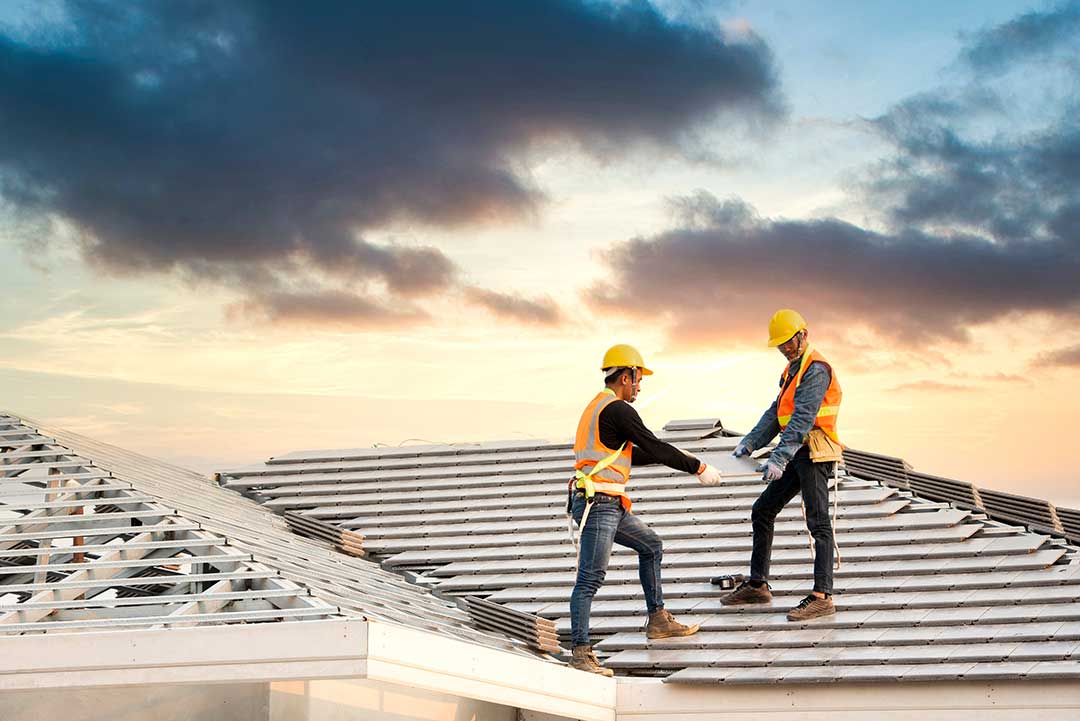
Roof inspections should be performed from a safe location. Walking on a roof can damage aging shingles and creates a fall hazard, particularly when the surface is steep, wet, icy, or covered with loose granules.
Does ventilation reduce sun-related roof damage?
Proper attic ventilation can help control heat and moisture buildup, although it cannot eliminate direct sunlight. A balanced system typically allows air to enter through lower intake areas and leave through higher exhaust areas. Insulation below the roof deck also helps limit heat transfer into the living space.
Poor ventilation may contribute to:
- Higher attic temperatures
- Premature aging of shingles and underlayment
- Condensation during colder weather
- Damp insulation
- Wood deterioration
- Ice dam formation under certain winter conditions
More ventilation is not always better if intake and exhaust openings are poorly arranged. Blocking soffit vents, relying on a single exhaust opening, or adding exhaust without adequate intake can reduce system effectiveness. Attic airflow should be evaluated as part of the entire roof assembly.
Can sun exposure shorten a roof’s service life?
It can, but the effect varies widely. Roof age, material quality, installation details, ventilation, slope, maintenance, and weather exposure all matter. Sunlight may shorten the useful life of a roof that already has weak seal strips, inadequate ventilation, repeated moisture problems, or long-term granule loss.
Sun exposure alone does not provide a reliable replacement schedule. A roof should be evaluated by its condition rather than by appearance or age alone. Two roofs installed during the same year may have different levels of wear because they face different directions and receive different amounts of shade.
Repairs may be appropriate when deterioration is limited to a small area and the surrounding materials remain sound. More widespread brittleness, exposed underlayment, repeated leaks, or extensive flashing failure may indicate that isolated repairs will not address the underlying problem.
Are solar panels or rooftop equipment affected by the same conditions?
Yes. Solar panels, vents, skylights, antennas, and other rooftop equipment also experience heat, UV exposure, wind, and seasonal movement. The equipment itself may remain functional while the roofing materials around its mounting points age or lose their seals.
Any rooftop penetration can become a weak point if flashing or sealant deteriorates. During inspections, these areas deserve attention even when the main field of shingles appears to be in good condition. Water often enters around transitions and penetrations rather than through the middle of an intact roof slope.
Understanding how sunlight affects a roof helps distinguish normal color change from meaningful deterioration. In the local climate, the most reliable assessment considers both summer exposure and the roof’s ability to handle moisture, wind, snow, and freezing temperatures through the rest of the year.
