
What is a cool roof?
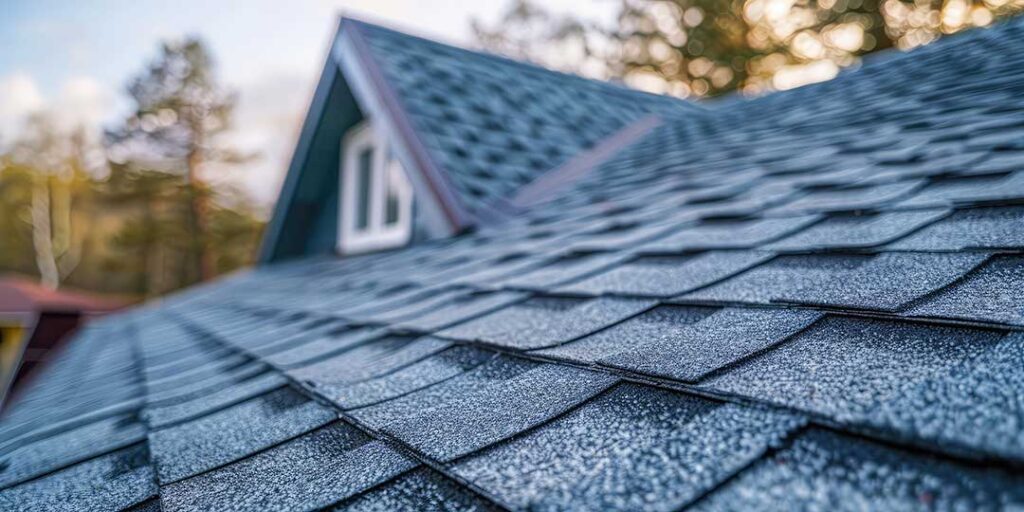
A cool roof is designed to reflect more sunlight and absorb less heat than a conventional roof. Its surface typically uses reflective materials, lighter colors, or specially formulated coatings that reduce the amount of solar energy transferred into the building below.
Traditional dark roofing materials can become much hotter than the surrounding air during sunny weather. A cool roof stays comparatively cooler, which may reduce heat entering the attic and living spaces. The effect is most noticeable during summer, especially on buildings with limited attic insulation or ventilation.
A cool roof is not necessarily a particular roofing material. It can be made with reflective metal, certain asphalt roofing products, coated membranes, reflective tiles, or other materials rated for solar reflectance and thermal emittance.
How can a cool roof reduce summer heat?
The main benefit is less heat transfer from the roof into the attic and upper floors. A roof exposed to direct sunlight can heat the roof deck, insulation, attic air, and ceiling below. A more reflective surface limits that chain of heat movement.
For residents in Troy, summer benefits may be most noticeable during extended periods of sunny, humid weather. Homes with finished attic spaces, shallow roof assemblies, or bedrooms directly beneath the roof can be especially sensitive to heat buildup.
A cooler roof may help:
- Reduce indoor temperatures on hot afternoons
- Decrease the workload on air-conditioning equipment
- Improve comfort in upper-floor rooms
- Limit heat-related expansion and contraction of some roofing components
- Reduce the temperature difference between the roof surface and the surrounding air
The effect varies widely. A well-insulated and properly ventilated attic may already block much of the heat, while a poorly insulated attic may show a more noticeable improvement after reflective roofing is installed.
Can cool roofs lower energy use?
Cool roofs can lower cooling demand, but the savings depend on the building. The greatest potential usually exists in structures that receive strong sun exposure, have air conditioning, and have roofs with poor insulation or limited ventilation.
During Troy’s heating season, the situation is different. A darker roof may absorb more solar heat on a sunny winter day, while a reflective roof may absorb less. However, winter sunlight is lower in the sky, days are shorter, and snow or ice may cover the roof. For many homes, insulation and air sealing have a much larger effect on winter energy use than roof color.
This means a cool roof should not be viewed as a complete energy-efficiency solution. It works best as part of a broader building approach that may include:
- Adequate attic insulation
- Air sealing around ceiling penetrations
- Proper intake and exhaust ventilation
- Efficient windows and doors
- Carefully managed air-conditioning use
- Moisture control in the attic and roof assembly
Are cool roofs useful in a colder climate?
Yes, but the benefits must be considered across the entire year. Cool roofs are often associated with hot climates, yet they can still provide summer comfort in places with cold winters. The annual advantage may be smaller than in a consistently hot region because heating is a major energy concern during much of the year.
For local homes, the most practical question is not simply whether a roof is light or dark. The better questions are:
- How much summer overheating occurs?
- Is the attic properly insulated?
- Does the roof receive direct sunlight for much of the day?
- Is the building air-conditioned?
- Will the roofing material perform well under snow, ice, freeze-thaw cycles, and moisture?
- Is the roof being replaced anyway, or would a coating be applied to an otherwise sound roof?
A cool roof can make sense during planned roof replacement, particularly where summer overheating is a recurring problem. It may be less useful as a stand-alone upgrade if the main issue is missing insulation, air leakage, or poor attic ventilation.
What are the environmental benefits?
By lowering indoor cooling demand, cool roofs can reduce electricity use during hot weather. On a larger scale, widespread use of reflective roofs may also reduce the amount of heat retained by dense developed areas.
The environmental value depends on several factors, including the roof’s lifespan, the energy sources used for cooling, the building’s insulation, and the material’s manufacturing and disposal impacts. A roof that needs frequent replacement may not provide the same overall benefit as a durable roof with a long service life.
Reflective roofing can also help reduce roof surface temperatures. Lower temperatures may slow some forms of material aging, although durability depends more broadly on installation quality, drainage, moisture exposure, foot traffic, snow removal practices, and the specific roofing system.
Do cool roofs prevent ice dams?
No. A cool roof does not automatically prevent ice dams.
Ice dams form when heat escaping from the building warms portions of the roof, allowing snow to melt. Water then flows toward colder eaves, where it can refreeze. Roof shape, insulation, air sealing, ventilation, snow conditions, and outdoor temperature all influence the risk.
A reflective roof may remain cooler in sunlight, but it cannot correct major air leaks from the living space into the attic. It also cannot replace proper insulation or attic ventilation. In Troy, where snow, freezing temperatures, and repeated freeze-thaw cycles are part of winter conditions, these details are more important than roof color alone.
Are white roofs always the best choice?
Not necessarily. A light-colored roof often reflects more sunlight, but color is only one part of performance. Two roofs with similar colors can have different reflective properties because of their surface texture, coating, material composition, and age.
Roofing decisions should also account for:
- Snow retention and winter conditions
- Water-shedding design
- Wind exposure
- Pitch and roof shape
- Visibility from neighboring buildings
- Maintenance requirements
- Compatibility with the existing roof assembly
- Expected service life
- Whether the roof can be repaired or coated safely
A reflective coating may be appropriate for some low-slope roofing systems but unsuitable for others. Coatings can also conceal deterioration temporarily without correcting damaged decking, wet insulation, leaks, or poor drainage.
Can a cool roof be installed over an existing roof?
Sometimes, but the existing roof must be suitable for the planned system. A roof with widespread leaks, soft decking, trapped moisture, severe surface damage, or inadequate drainage may require more extensive work rather than a reflective layer.
Adding another layer can also affect roof weight, drying potential, flashing details, and future maintenance. Any alteration should preserve proper water drainage and should not block ventilation pathways.
For sloped residential roofs, a replacement product with reflective properties may be more practical than applying a coating. For low-slope roofs, coatings and reflective membranes may offer different options, but the roof assembly must be evaluated as a complete system.
How should homeowners judge whether a cool roof is worthwhile?
A cool roof is most likely to be worthwhile when summer overheating is a real concern and the roof is already due for replacement. It may also be useful for buildings with large sun-exposed roof areas, air-conditioning equipment, or upper floors that become uncomfortable in warm weather.
Before focusing on roof color, homeowners should check whether the building has:
- Enough attic insulation
- Uncontrolled air leakage at the ceiling
- Blocked soffit or ridge ventilation
- Moisture or mold concerns
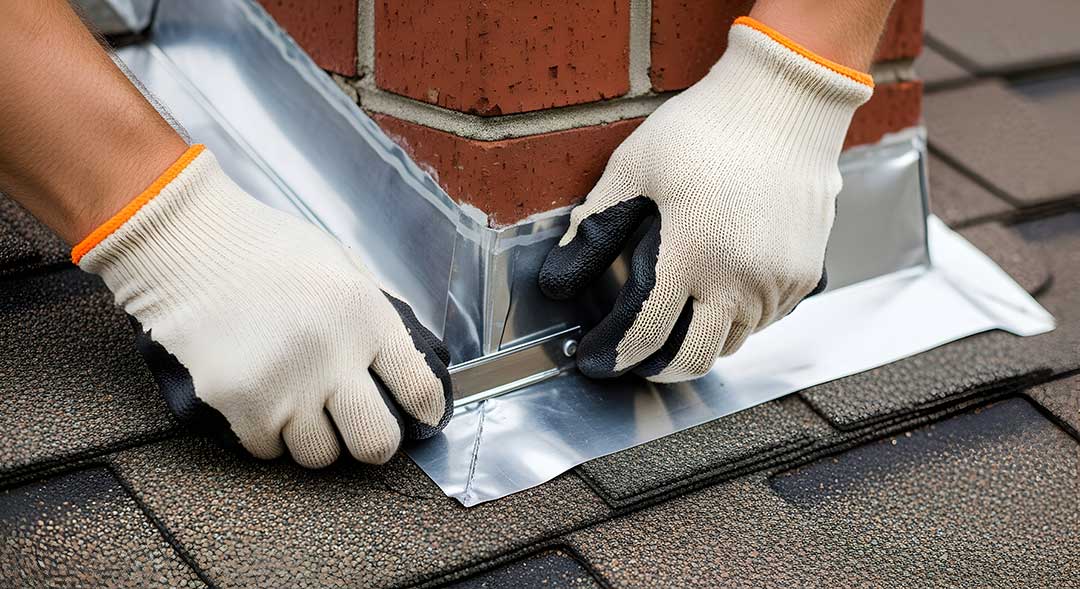
- Damaged flashing or roof penetrations
- Standing water on low-slope sections
- Aging roofing materials
A roof that reflects sunlight but still has poor drainage, inadequate ventilation, or hidden moisture problems will not perform as expected. In many homes, the best result comes from combining a durable roofing system with sound insulation, air sealing, and ventilation practices.
