
What Does a Professional Roof Inspection Include?
A professional roof inspection is a thorough visual and physical assessment of a home's roofing system, performed by someone trained to spot issues that could impact the structure's health. In Troy, NY, this usually involves checking shingles or other materials, flashing, gutters, ventilation, and the underlying structure, accounting for the region’s seasonal weather and how it affects residential roofs.
What Areas Will Be Examined?
Most inspections start with the visible components and then extend to harder-to-reach areas if safe and accessible. Inspections typically include:
- The roof’s surface—looking for missing, curling, or cracked shingles, or areas where materials have worn down due to New York’s freeze-thaw cycles.
- Flashing around chimneys, skylights, plumbing stacks, and valleys, since flashing can rust or detach in heavy winter or spring storms.
- Gutters and downspouts—these are checked for clogs, rust, or signs they are pulling away, which is a common issue in older local homes with mature trees nearby.
- Roof penetrations—such as vents and satellite mounts, since these spots are prone to leaks.
- The roof deck and attic (if accessible), looking for water stains, mold, rot, insufficient insulation, or poor airflow, which can lead to ice dams during Troy winters.
How Long Does a Roof Inspection Take?
Most standard roof inspections take under an hour for an average-sized home in Troy, provided conditions are safe and the roof is easily accessible. More complex or steep roofs may require additional time. Some inspectors also take photos or notes for a report that details findings, which is useful for homeowners comparing conditions year over year.
What Should Residents Expect During the Inspection Process?
Residents can usually remain indoors while the inspection is underway, as professionals are accustomed to working independently and safely on roofs. Entry to the attic may be required, so clearing access is helpful. Inspectors often begin with a walk around the property, observing from ground level for obvious issues, before climbing onto the roof if conditions permit.
After heavy weather, some local inspectors may request to delay inspection until roofs are dry or safe. In Troy, snow or ice can linger on roofs into early spring and may delay or reschedule an inspection. Good communication about timing helps ensure everyone’s safety.
What Tools or Methods Are Used?
Inspections are mostly visual, but may involve:
- Safety harnesses, ladders, and non-invasive probing tools for testing soft or spongy spots.
- Cameras or mobile devices for documentation.
- Moisture meters to check beneath the surface if signs of leaks are visible.
- Binoculars, especially on steep or unsafe roofs, to inspect hard-to-reach places from the ground.
Drones have become more common, particularly for larger homes or commercial properties, but are not always necessary for typical residential inspections and are generally used when physical access is limited.
How Do Inspectors Identify Storm or Weather Issues?
Given Troy’s regional climate, professionals pay special attention to signs of damage from wind, ice, snow, and heavy rain. This includes:
- Looking for shingle loss, torn or lifted roofing materials, and punctures from fallen branches.
- Examining for signs of ponding water from poor drainage, which can accelerate leaks and rot.
- Spotting stains or debris patterns indicating wind-driven rain has breached beneath shingles or flashing.
- Identifying ice dam damage, such as water stains inside the attic, which is common after freeze-thaw cycles in the city.
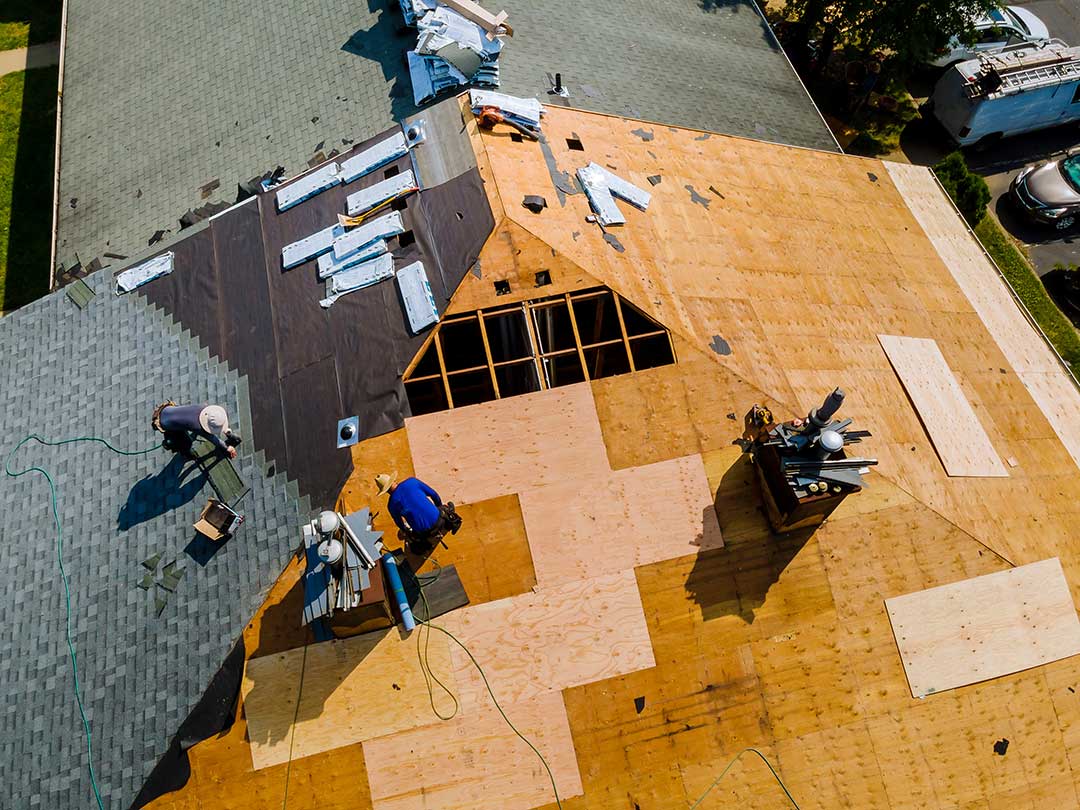
These weather-related factors influence the timing and frequency of inspections. For example, many local residents schedule checks after harsh winters to catch issues early.
What Are Common Findings in Troy Homes?
Older homes in Troy may have unique challenges based on construction type and material age. Inspectors often find:
- Worn-out or brittle shingles, especially on roofs nearing 20 years old or more.
- Ineffective or aged flashing, sometimes mismatched from previous repairs.
- Clogged or improper gutters, a frequent issue in tree-lined neighborhoods.
- Moss, lichen, or excess algae, which thrive in shaded yards and can trap water.
- Roof decks softened by years of minor unaddressed leaks.
It's not uncommon for homeowners to be unaware of minor gaps or wear until an inspection reveals them, especially if leaks are slow or don’t show as visible stains for months.
What Happens After the Inspection?
At the end of a roof inspection, the inspector will usually provide a summary—either as a verbal overview or a written report. This includes what was checked, what condition each area is in, and any concerns that might require further attention.
Residents do not have to commit to any repairs at this stage. The purpose is information and peace of mind, helping local homeowners understand what, if anything, might need to be addressed to protect their roof over the coming seasons.
Are Roof Inspections Disruptive or Risky?
For most single-family homes in the community, a standard inspection is not invasive or loud. The process rarely disrupts daily life, though in some cases, access to attics or upper floors may be necessary to check for moisture or ventilation concerns.
In situations with significant structural instability—such as sagging roofs or suspected major rot—inspections may require extra care, or the use of drones and remote cameras. In these cases, safety precautions are always prioritized.
When Should Local Residents Consider an Inspection?
Routine inspections are especially recommended after major storms, before winter, and for homes over ten years old. Troy’s seasonal changes, with their heavy snowfall and rapid seasonal temperature swings, tend to accelerate roof wear compared to more temperate regions.
Other common triggers include noticing water spots on ceilings, hearing unfamiliar drips during rain, spotting shingle debris in gutters, or seeing moss growth after a damp summer.
