
Why Should You Check Your Roof After a Storm?
After a severe weather event in Troy, NY, inspecting your roof can help prevent minor damage from turning into more complex issues. Wind, heavy rain, hail, and falling branches often impact roofing materials. Small damages not addressed promptly can lead to leaks, structural concerns, or even mold inside the home.
What Are the First Signs of Roof Damage You Can Spot from the Ground?
You don’t need to climb onto your roof to begin your inspection. Start with a walk-around observation. Look for:
- Shingles that are missing, cracked, or bent upwards
- Sections of shingle granules on the ground, walks, or in gutter downspouts
- Pieces of metal flashing, fascia, or soffit on your yard or driveway
- Obvious debris, such as broken branches or large items that hit the roof
Spotting any of the above suggests a closer inspection may be needed, but never climb on a roof that may be unstable or slippery after a storm. Residents in the city often notice problems first at entryways, driveways, or via attic leaks.
How Can You Safely Check for Interior Water Leaks or Moisture?
Always start on the inside, particularly if you've noticed signs outside. Check:
- Your attic for damp insulation, water stains, or daylight peeking through the roof boards
- Ceilings and upper-story walls for new stains, bubbling paint, or peeling wallpaper
- Around chimneys or roof penetrations for signs of water
Local homes in Troy often have older attics or varied rooflines, so leaks may show up even post-light rainfall. Catching moisture early is key to avoiding mold or deeper rot in wood framing.
Should You Inspect Your Gutters and Downspouts After a Storm?
Yes. Gutters and downspouts are part of the whole roofing system and can be impacted by debris or wind. Clogged or disconnected gutters lead to water flooding down exterior walls and into basements or crawlspaces.
After any major storm:
- Check that gutters are still tightly attached to the fascia and not sagging
- Clear out leaves, twigs, or shingle granules
- Ensure downspouts direct water away from the home's foundation
Pay special attention in Troy neighborhoods with many large trees, where gutter blockages are common after heavy winds or rain.
What Should You Look for on the Roof Surface (If Visible from the Ground or a Window)?
From a safe vantage point (window, ladder at ground-level), check for:
- Patterns of missing, curled, or overlapping shingles
- Areas with shiny or exposed underlayment—visible between shingles
- Dents in metal flashing or vent covers, often caused by hail or falling debris
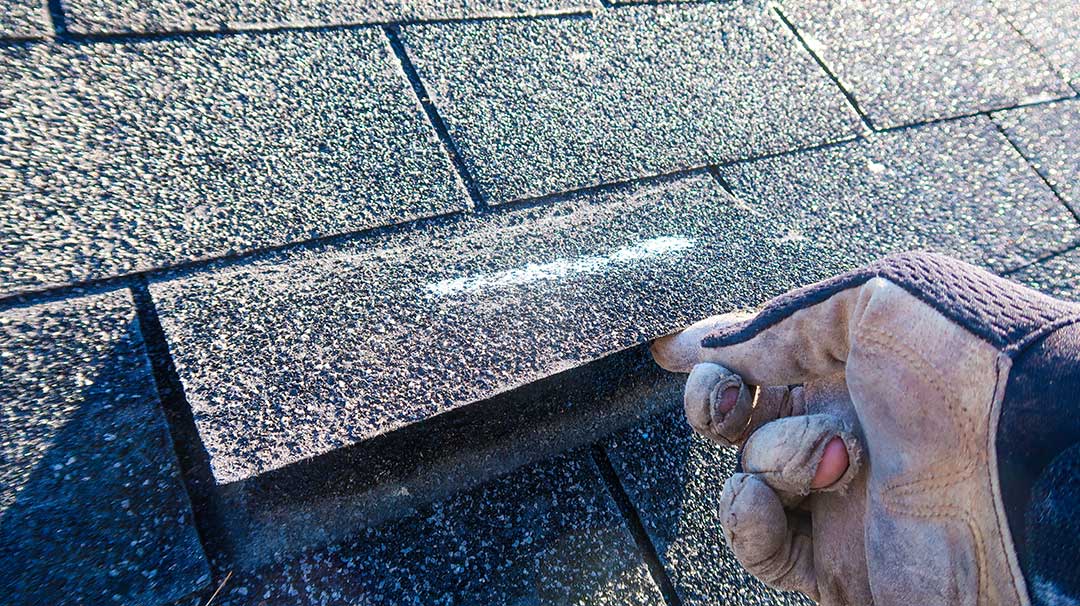
Problems may be subtle, especially on darker asphalt shingles or roofs with a steep pitch. In winter, snow and ice buildup can also pull at flashing or damage edges, so observe the roofline closely after thawing.
Can Small Roof Issues Wait to Be Fixed?
Even minor issues, like a single missing shingle, shouldn't be ignored. Water infiltration in upstate climates can quickly worsen as freeze-thaw cycles set in. In Troy, delayed repairs can lead to insulation damage, higher heating bills, and compromised roof decking.
Residents sometimes overlook slight ceiling stains or minor debris, only to face much larger repairs after the next storm. Prompt documentation, even with a smartphone photo, helps track changes over time.
Are There Hidden Problems That Are Easy to Miss?
Some types of storm damage are easily overlooked:
- Flashing around vents, skylights, and chimneys often loosens or develops small gaps
- Seams along dormers, valleys, and roof intersections can let in water not obvious from the ground
- Hail can bruise or damage shingle underlayers, reducing the lifespan even if the roof looks normal
Prolonged wetness in eaves or attic corners, especially in older Troy homes, may be a warning sign of hidden leaks.
What Steps Should You Take if You Find Severe or Hazardous Roof Damage?
If you discover unsafe conditions—such as large, displaced roofing sections, electrical hazards, or significant sagging—stay out of the affected area. Report any structural issues to your municipal code office if you believe they could affect public safety or utility lines.
For situations involving potential collapse, fire hazards, or hazardous materials (like asbestos on some very old roofs in Troy), immediate access should be avoided until resolved safely.
