
What Does "Roof Pitch" Mean?
Roof pitch describes the steepness or angle of a roof. It's usually expressed as a ratio, such as "6:12," meaning the roof rises 6 inches for every 12 inches it runs horizontally. You might also hear the term "slope" used in the same context. Understanding pitch helps local homeowners gauge how water, snow, and debris flow off the roof, and informs choices about materials and maintenance.
Why Does Roof Pitch Matter in Troy, NY?
In Troy, roof pitch plays a significant role in protecting homes from heavy snowfall, rain, and seasonal changes. A well-chosen pitch helps roofs shed snow before it can build up too heavily—a crucial factor considering the local winter climate. When snow or ice lingers on low-sloped roofs, there’s a higher risk of leaks or structural stress.
A steeper roof can also handle rain better, quickly channeling it away to prevent water pooling or leakage. However, steeper designs may encounter increased wind pressure, which is particularly relevant for homes in exposed, hilltop, or open areas around the city.
How Is Roof Pitch Measured?
Roof pitch is typically measured using a simple ratio or expressed in degrees. The ratio format (such as 4:12, 8:12, etc.) is most common in residential settings. To measure pitch from the attic or the exterior, a level and a ruler or tape measure are usually all that’s needed.
- Find a level spot—such as a rafter in the attic.
- Measure 12 inches along the horizontal base.
- Measure vertically from that point to the underside of the roof. That number is the "rise.”
- The "rise over run" gives the pitch ratio.
Some local building codes may have minimum pitch requirements for certain roof types, so accurate measurement matters when repairing or modifying a roof.
What Are the Most Common Roof Pitches in the Community?
Most homes in the area fall into the "moderate" pitch range, typically between 4:12 and 9:12. This range offers enough slope to shed snow and rain but remains walkable for maintenance. Older neighborhoods may feature homes with steeper, more dramatic rooflines, while flatter or low-sloped pitches are occasionally found on additions, garages, or small outbuildings.
Flat and low-sloped roofs (under 3:12) aren’t common for primary residences because they’re more susceptible to water buildup and damage in snowy climates.
Does Roof Pitch Affect Roofing Materials?
Yes, the type of roofing that performs best depends on pitch.
- Asphalt shingles, a popular choice in the community, require a minimum slope—usually at least 2:12 or 3:12—for effective water runoff.
- Metal panels can suit a wider variety of pitches, but proper installation details change as the slope decreases.
- Flat or very low-sloped roofs often use different materials, like rubber membranes or modified bitumen, that can handle pooling water.
Using the wrong material for a given slope increases the risk of leaks and premature failure, especially during freeze-thaw cycles and heavy spring rains common in the local area.
How Does Pitch Influence Maintenance and Safety?
Steeper roofs may shed snow and debris better, but they’re more hazardous to access. Maintenance such as gutter cleaning and repairs often requires specialized equipment or professional help due to safety concerns. On the other hand, lower-pitch roofs are easier to access but need more frequent checks for standing water, ice dams, or blocked drains.
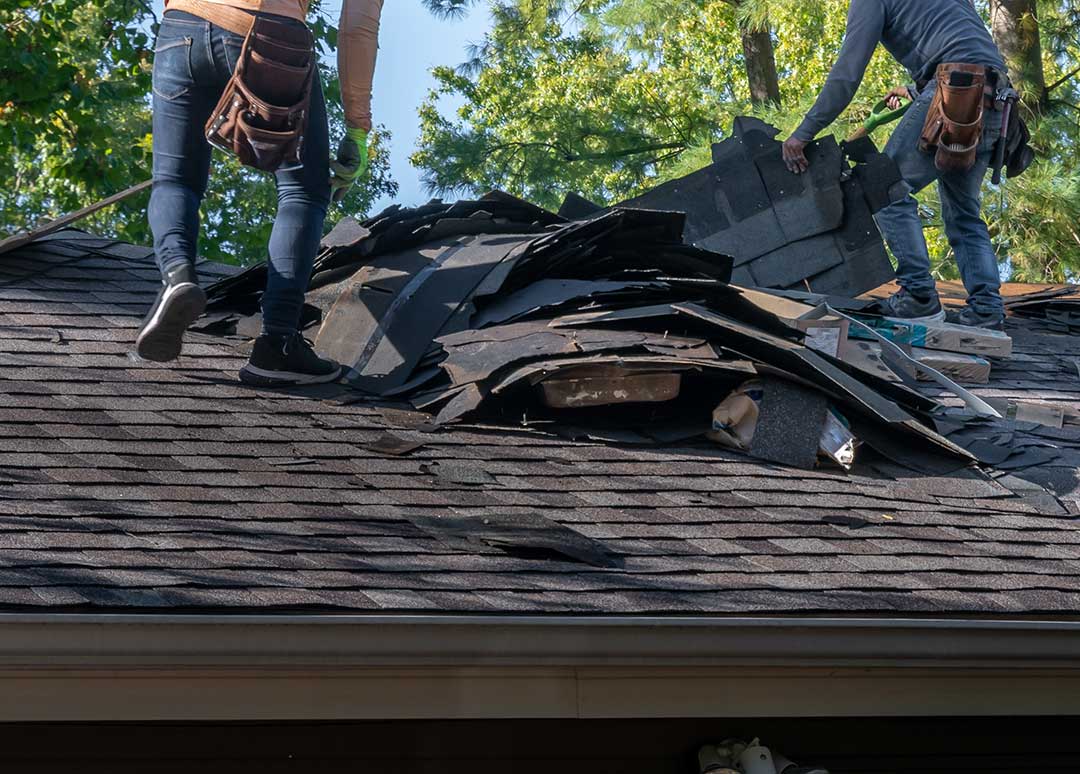
Residents should never attempt to walk on icy or wet roofs. Slips and falls are a real risk, and local hospitals routinely treat fall injuries related to unsafe roof access, particularly after winter storms.
Are There Building Code or Insurance Considerations?
Local building codes specify minimum roof pitches for many roofing materials, especially asphalt shingles, to ensure water drains efficiently. Insurance companies may also ask about pitch when assessing risk or setting premiums. Roofs with extreme pitches—either very flat or very steep—can sometimes affect policy terms or coverage for snow and water damage.
For new construction or major renovations, it’s often necessary to supply details about roof design during the permit process. This ensures compliance and future eligibility for replacement coverage in the event of storm damage or failure.
What Misconceptions Do Homeowners Have About Roof Pitch?
A frequent misconception is that high-pitch roofs are always better. While steeper roofs do provide advantages for snow and water runoff, they also cost more to frame, maintain, and repair. If a roof is very steep, it may restrict the type or style of attic space, solar panel installation, or even complicate gutter maintenance.
Another common myth is that flat roofs are significantly cheaper. In reality, flat or low-slope roofs often require more frequent inspection and specialized materials, which can increase lifecycle costs.
What Factors Should Area Homeowners Consider When Evaluating or Changing Roof Pitch?
Changing a roof’s pitch is a major structural intervention that typically involves rebuilding the roof frame. Before considering such a project, weigh several factors:
- Purpose: Is there a water drainage, snow load, or attic usability issue?
- Cost vs. Benefit: Does altering the slope justify the construction expense?
- Neighborhood context: Consistency with historic or aesthetic character may be a factor in some districts.
- Local weather trends: Consider both winter snow and summer storms when planning any changes.
For most, the better choice is to work with the pitch the house was built with and choose compatible materials and maintenance, unless there’s a clear structural or drainage problem.
