
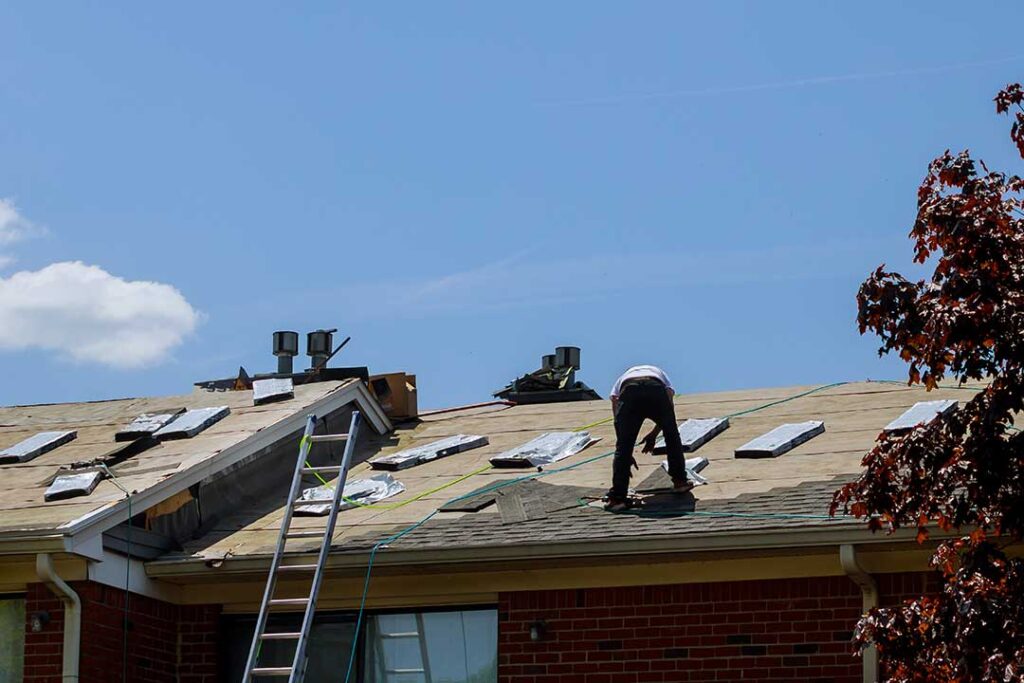
What does the roofing process include?
The roofing process is more than removing old shingles and installing new ones. It usually includes evaluation, planning, material selection, preparation, installation, ventilation review, cleanup, and follow-up maintenance.
For homeowners in Troy, NY, the process must account for changing seasons, winter snow, freeze-thaw cycles, wind, rain, ice buildup, and the construction styles found in older and newer homes. A roof that appears sound from the ground may still have problems beneath the visible surface.
A typical project follows these stages:
- Inspecting the existing roof and attic
- Identifying the cause of leaks or deterioration
- Choosing suitable materials and a practical design
- Preparing the property and removing damaged materials
- Repairing the roof deck and related components
- Installing underlayment, flashing, ventilation, and the roof covering
- Checking the finished work and maintaining it over time
The exact sequence can vary depending on whether the work involves a small repair, a partial replacement, or a complete reroofing project.
How is a roof inspected before work begins?
A proper inspection examines both visible and hidden parts of the roofing system. The goal is not simply to find missing shingles, but to understand how water moves through the roof and where the underlying structure may be weakened.
An inspection may include:
- Shingles, panels, or other roof coverings
- Valleys where two roof sections meet
- Flashing around chimneys, walls, skylights, and vents
- Gutters, downspouts, and roof edges
- The attic side of the roof deck
- Insulation, moisture levels, and ventilation
- Signs of sagging, rot, mold, staining, or daylight
Water stains inside a home do not always appear directly below the point where water entered. Moisture can travel along roof decking, rafters, insulation, or ceiling materials before becoming visible.
Older houses in the community may also have several layers of past repairs. Those layers can conceal deteriorated wood, outdated flashing, or areas where earlier work did not address the original source of the problem.
How is it decided whether to repair or replace a roof?
A repair may be reasonable when damage is limited to a small area and the rest of the roofing system remains serviceable. Replacement becomes more likely when deterioration is widespread, materials are near the end of their useful life, or repeated repairs no longer solve the underlying issue.
Factors commonly considered include:
- The age and condition of the roof
- The number and location of damaged areas
- Whether leaks have affected the roof deck or interior
- The condition of flashing and ventilation
- Whether matching replacement materials are available
- The roof’s performance during snow, ice, wind, and heavy rain
A few missing shingles do not automatically mean the entire roof must be replaced. Conversely, covering visible damage without correcting wet decking or defective flashing can allow the problem to return.
What happens during roof preparation?
Preparation protects the house, landscaping, vehicles, and surrounding property. It also makes it possible to identify damage that was not visible during the initial inspection.
Preparation may involve protecting windows and walls, covering nearby surfaces, moving outdoor items, and planning how removed materials will be handled. Roof work can create falling debris, dust, noise, and temporary access restrictions.
Before installation begins, roof edges, valleys, penetrations, and drainage paths are reviewed. The placement of materials around chimneys, vents, and wall intersections deserves particular attention because these locations are common sources of leaks.
Weather also affects scheduling. Roofing materials generally perform best when installed under suitable temperature and moisture conditions. Rain, strong wind, snow, or icy surfaces can make work unsafe and can interfere with proper installation.
Why does the roof deck matter?
The roof deck is the structural surface beneath the visible roofing material. It is often made from wood panels or boards and provides the base for underlayment and shingles or other coverings.
If the deck is soft, swollen, split, sagging, or visibly water-damaged, new roofing materials should not simply be placed over it. Damaged sections may need to be repaired or replaced so the finished roof has a stable foundation.
This step can change the scope of a project because some deck damage is hidden until the old covering is removed. Moisture around valleys, eaves, chimneys, and poorly sealed penetrations is especially likely to affect the deck.
What are underlayment, flashing, and ventilation?
These components are less visible than shingles but play a major role in roof performance.
Underlayment is a protective layer installed over the roof deck beneath the outer covering. It provides an additional barrier against wind-driven rain and melting snow.
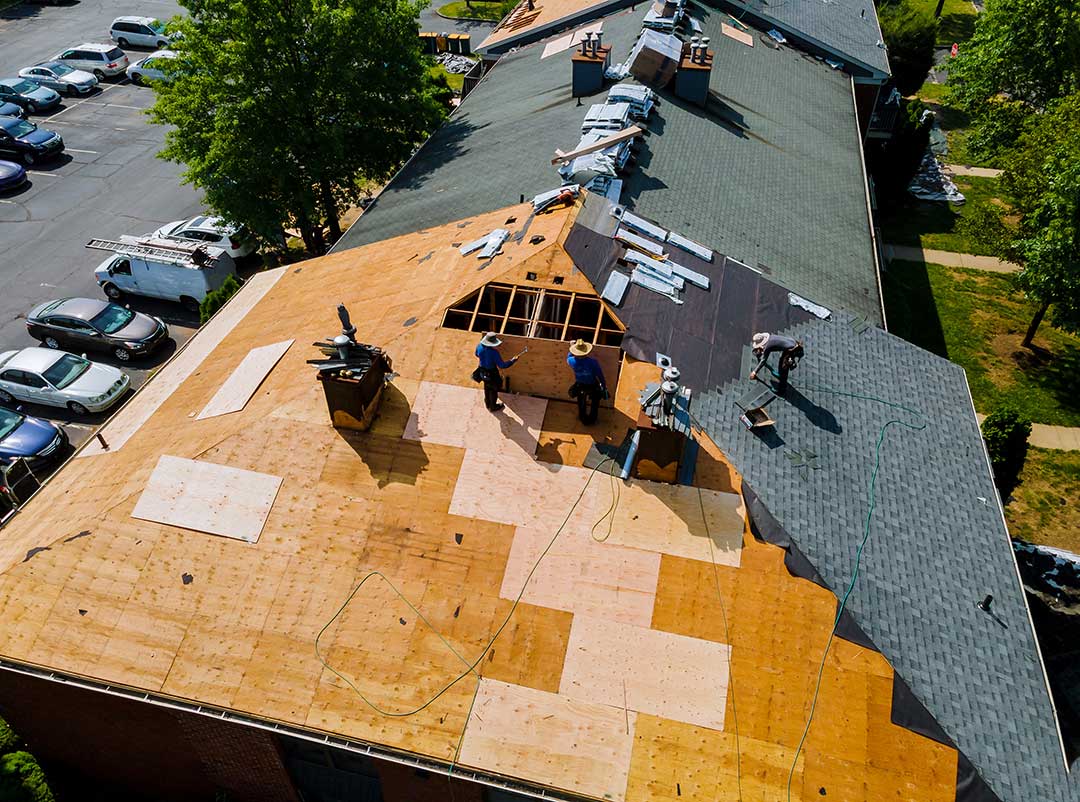
Flashing directs water away from vulnerable joints and openings. It is used around chimneys, skylights, vents, walls, valleys, and roof edges. Flashing that is bent, corroded, loose, or poorly sealed can create leaks even when the shingles appear acceptable.
Ventilation helps manage heat and moisture in the attic. A balanced system generally uses lower intake ventilation and higher exhaust ventilation. Poor ventilation can contribute to condensation, deteriorated wood, uneven roof aging, and winter ice problems.
Ventilation does not eliminate every ice-related issue, especially when insulation, air sealing, gutters, or roof geometry create additional conditions. It is one part of a larger roof and attic system.
How is the new roof installed?
Installation begins at the roof edges and continues upward in overlapping courses. The precise method depends on the roofing material, roof slope, design, and manufacturer requirements.
The process usually includes:
- Installing edge protection where needed
- Placing underlayment over prepared decking
- Installing flashing in vulnerable areas
- Applying the selected roof covering in planned courses
- Sealing or fastening materials according to their design
- Completing ridges, hips, valleys, vents, and other transitions
- Checking exposed edges and drainage paths
The roof covering is only one part of the finished system. A neat appearance does not guarantee proper performance if flashing, fasteners, ventilation, or drainage have been overlooked.
What should homeowners check after the work is complete?
A final review should confirm that the roof is clean, complete, and draining properly. Useful items to examine include roof edges, flashing, vents, valleys, gutters, downspouts, and areas where the roof meets walls or masonry.
Inside the attic and upper floors, watch for new moisture, damp insulation, unusual odors, or ceiling staining after the first substantial rain. A new leak may come from an overlooked transition rather than from the main field of the roof.
Cleanup should include removal of loose roofing debris from walkways, plant beds, gutters, and other accessible areas. Some small particles may remain after the work, so outdoor areas should be checked again once the project is finished.
How should a roof be maintained afterward?
Routine observation can extend the useful life of a roof and help identify small problems before they affect the interior. After major storms or periods of snow and ice, homeowners can look from the ground for displaced materials, sagging, blocked drainage, or visible damage.
Practical maintenance includes:
- Keeping gutters and downspouts clear
- Trimming branches that rub against the roof
- Watching for loose flashing or exposed fasteners
- Checking attic areas for dampness or condensation
- Removing leaves and debris from roof valleys when safely accessible
- Reviewing roof conditions after severe wind, hail, or heavy snow
Walking on a roof can damage materials and create a fall hazard. Steep slopes, icy surfaces, fragile coverings, and structural concerns require particular caution. Unsafe conditions should be evaluated by someone with the appropriate training and equipment.
A roofing project is successful when the visible covering, drainage system, flashing, roof deck, attic ventilation, and surrounding building components work together. Understanding that complete process makes it easier to recognize quality work, ask useful questions, and respond promptly when weather exposes a problem.
