

Humidity is not the same as rain, but it can still affect roofing materials over time. In Troy, NY, seasonal changes between damp summers, wet spring and fall weather, and cold winters can create repeated moisture cycles that influence shingles, wood roof decks, metal components, insulation, and attic ventilation.
The most serious problems usually begin when humid air reaches a cool surface and condenses. That moisture may remain hidden beneath the roof covering, where it can contribute to deterioration long before stains appear inside the home.
How does humidity affect a roofing system?
Humidity affects a roof mainly by increasing the amount of moisture available in the air. When warm, moist air meets a cooler roof deck, fastener, vent, or metal flashing surface, water vapor can turn into liquid water.
A roof is made of several layers, and each layer responds differently:
- Shingles protect the outer surface from weather.
- Underlayment provides an additional water-shedding layer.
- Roof sheathing supports the roof covering and is vulnerable to prolonged dampness.
- Flashing and fasteners help control water at joints and penetrations.
- Attic insulation and ventilation influence how warm or cold the roof assembly becomes.
Humidity becomes more damaging when it is combined with poor air sealing, inadequate ventilation, roof leaks, or interior moisture from cooking, bathing, laundry, and drying clothes.
Can high humidity damage asphalt shingles?
High outdoor humidity alone does not usually destroy asphalt shingles. Shingles are designed to withstand rain, snow, and normal changes in atmospheric moisture. Problems are more likely when moisture becomes trapped beneath the shingles or when the roof remains damp for extended periods.
Repeated moisture exposure can contribute to:
- Loss of flexibility in older shingles
- Curling, blistering, or surface deterioration
- Algae or biological growth in persistently damp areas
- Faster wear around shaded roof sections
- Reduced adhesion at shingle seals if the roof is frequently wet during installation or repair
A humid day does not automatically mean a roof is being damaged. The greater concern is whether the roofing assembly can dry after moisture enters it.
Shaded roof slopes, areas beneath overhanging trees, and sections near poorly vented attic spaces often dry more slowly. On older homes, these conditions may be combined with aging underlayment or roof sheathing, increasing the chance of hidden moisture damage.
Why is attic humidity especially important?
Attic humidity matters because warm indoor air can rise through small openings in the ceiling plane. Common pathways include gaps around plumbing pipes, recessed lights, attic hatches, electrical wiring, and ductwork.
During cold weather, that air may reach the underside of the roof deck. If the roof deck is cold enough, condensation can form. Over time, the moisture may darken wood, support mold growth, corrode fasteners, or cause insulation to lose effectiveness.
Signs of excess attic moisture can include:
- Frost or dampness on the underside of roof sheathing
- Musty odors
- Rusted nails or metal connectors
- Dark staining on wood
- Damp or compressed insulation
- Peeling paint or ceiling discoloration below the attic
In winter, indoor humidity often becomes more important than outdoor humidity. A tightly occupied home with frequent cooking, long showers, or limited bathroom-fan use can add substantial water vapor to the building.
Does humidity affect wood roof decking?
Yes. Wood roof decking can absorb moisture from humid air, condensation, or leaks. As moisture content changes, wood expands and contracts. Repeated cycles may cause swelling, edge movement, fastener stress, or gradual loss of strength.
Roof sheathing does not need to be visibly soaked to experience problems. Persistent dampness can encourage decay organisms, especially where drying is limited. Areas around chimneys, valleys, roof penetrations, eaves, and locations with ice-dam history deserve particular attention because moisture may remain concentrated there.
A roof deck that looks sound from above may still show moisture-related deterioration from inside the attic. Conversely, dark wood does not always mean active decay; older staining may remain after the material has dried. The condition, moisture level, softness, and surrounding ventilation all matter.
What happens to metal roofing and flashing?
Metal roofing and flashing do not absorb humidity like wood, but humid air can still affect them. Condensation on the underside of metal panels may drip onto insulation, roof decking, or interior finishes.
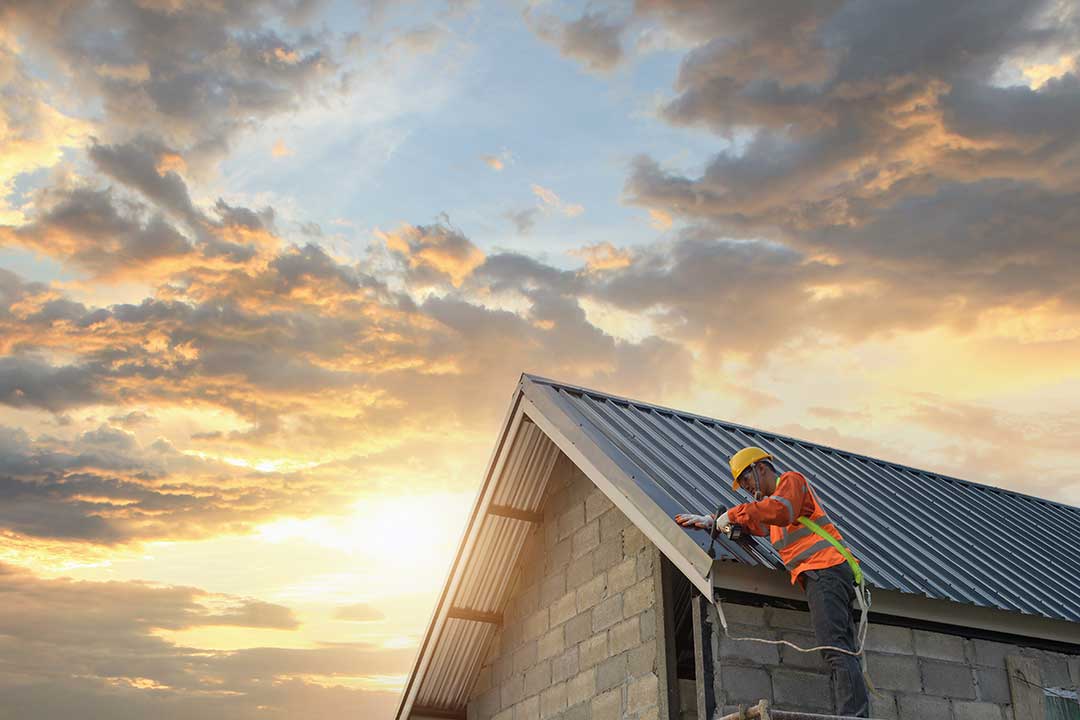
Metal components can also corrode when moisture remains against the surface, particularly where protective coatings have been damaged or where dissimilar metals are in contact. Fasteners, seams, valleys, and penetrations are common locations for moisture to collect.
Temperature changes can intensify the problem. Metal responds quickly to outdoor conditions, so a panel may become much colder than the surrounding air during clear nights or much warmer in direct sun. If the surface temperature falls below the air’s dew point, condensation may form.
Proper underlayment, drainage, air control, and ventilation help reduce this risk. The exact approach depends on the roof design and whether the space below is vented or conditioned.
Does humidity cause roof mold?
Humidity does not create mold by itself, but persistent moisture can provide the conditions mold needs. Mold growth is more likely when organic materials such as wood, paper-faced insulation, dust, or debris remain damp.
Mold-like staining in an attic may result from condensation, a roof leak, a plumbing leak, or air leakage from the living space. Identifying the moisture source is more useful than simply cleaning the visible area.
If the source remains active, staining may return. Disturbing heavily affected insulation or confined attic materials can also release particles, so unusual odors, extensive growth, or breathing irritation warrant caution.
How does Troy’s seasonal weather influence roof moisture?
Local roofs experience several moisture cycles each year. Summer air can be warm and humid, while spring and fall often bring extended periods of rain and damp conditions. Winter introduces a different concern: warm indoor air meeting cold roof surfaces, along with snow and ice that can delay drying.
Freeze-thaw cycles add further stress. Water that enters a small crack or seam can expand when it freezes, then contract as temperatures rise. This does not mean humidity directly causes every winter roof problem, but moisture makes existing weaknesses more consequential.
Older housing with enclosed attic spaces, additions, finished upper floors, or multiple rooflines can have especially varied ventilation conditions. One section may dry normally while another holds moisture because of insulation placement, blocked airflow, or a complicated roof shape.
What can residents do to reduce humidity-related roof problems?
The most useful steps focus on controlling moisture inside the building and allowing roof components to dry:
- Run bathroom exhaust fans during bathing and for a period afterward.
- Vent cooking moisture outdoors rather than into the attic or living space.
- Keep attic insulation from blocking designed ventilation paths.
- Check that attic access panels fit reasonably well and are insulated where appropriate.
- Watch for staining, frost, rust, musty odors, or damp insulation.
- Keep gutters and roof drainage paths clear so rain and melting snow can leave the roof efficiently.
- Avoid storing wet materials in areas connected to the attic.
- Inspect areas around roof penetrations after severe weather or noticeable interior staining.
Ventilation is helpful, but ventilation alone does not solve every moisture problem. If warm household air is leaking into the attic, adding vents without improving the air barrier may leave the underlying cause unchanged.
When does moisture require immediate attention?
Active dripping, sagging sheathing, widespread mold, deteriorated wood, exposed electrical components, or large areas of wet insulation should not be ignored. Conditions involving unsafe attic access, steep roofs, ice, or structural weakness can create a genuine safety hazard.
The most useful response is to determine whether the moisture comes from indoor air, condensation, rain penetration, snow or ice, plumbing, or a combination of sources. Once the source is controlled, roof materials have a much better chance of drying and performing as intended.
