
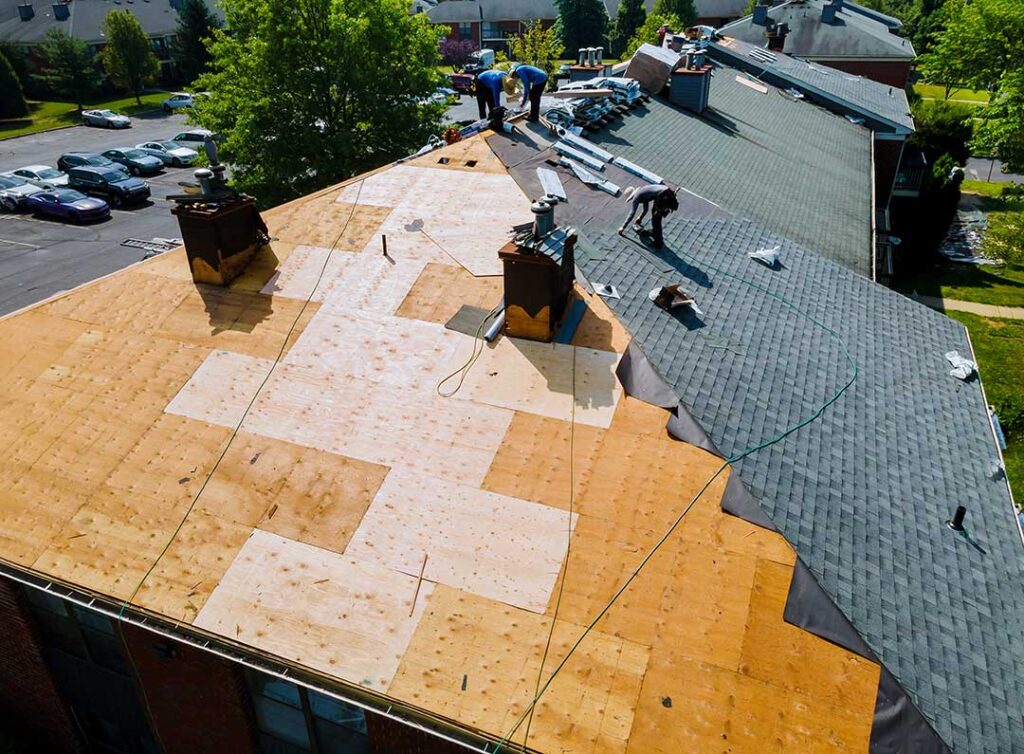
A roof tear-off is the removal of existing roofing materials down to the underlying deck or sheathing before a new roof system is installed. Unlike a roof overlay, a tear-off exposes the roof structure so hidden water damage, deteriorated wood, poor flashing, and ventilation problems can be identified and addressed.
For homeowners in Troy, NY, understanding the process helps set realistic expectations about noise, debris, timing, weather concerns, and possible additional repairs.
What happens before the tear-off begins?
Before materials are removed, the work area should be prepared to protect the house, landscaping, vehicles, and nearby walkways. Crews may place protective coverings over shrubs, siding, windows, doors, and air-conditioning equipment. Magnetic tools or rolling magnets are often used later to collect loose roofing nails from the ground.
The roof is also inspected from the exterior and, when accessible, from the attic. This preliminary review helps identify visible concerns such as:
- Sagging roof lines
- Missing or damaged shingles
- Exposed flashing
- Moss or heavy debris
- Signs of water entry
- Areas where the roof deck may be weak
The exact condition of the roof cannot always be known until the old materials are removed. A roof can appear reasonably intact from the ground while having soft sheathing around a chimney, valley, skylight, or roof edge.
How is the old roofing removed?
A tear-off generally begins at the uppermost exposed roofing layers, often near the ridge, and proceeds downward. Shingles, underlayment, ridge materials, and associated accessories are removed. Depending on the roof design, workers may also remove old ice-barrier materials, vent components, pipe boots, and sections of flashing.
The work is physically demanding and produces considerable noise. Scraping tools, roofing hammers, ladders, and debris containers are commonly used throughout the process. Vibrations may be noticeable inside the house, especially in upper-floor rooms directly beneath the roof.
Old roofing debris is usually moved from the roof to the ground through controlled drops, chutes, or by hand. Even with precautions, small pieces of shingle and nails can travel beyond the immediate work area. Outdoor furniture, children’s toys, gardening tools, and vehicles should be moved away from the building before work starts.
What happens if damaged wood is found?
Once the roof covering is removed, the roof deck is examined for deterioration. The deck is the structural surface that supports the underlayment and shingles. It may consist of plywood, boards, or another approved sheathing material, depending on the age and construction of the house.
Common findings include:
- Soft or spongy wood caused by long-term moisture
- Rot near roof edges and eaves
- Water damage around chimneys and plumbing penetrations
- Split or weakened boards
- Improperly spaced or damaged sheathing
- Areas affected by ice dams or repeated leaks
Damaged sections should not simply be covered with new shingles. Weak sheathing can allow fasteners to pull out, create uneven surfaces, and permit future leaks. Replacement may involve a small isolated section or a larger area if moisture has spread.
The amount of additional repair often cannot be determined accurately before the tear-off. A clear explanation of how damaged areas will be identified, measured, documented, and repaired can prevent confusion during the work.
How does local weather affect the process?
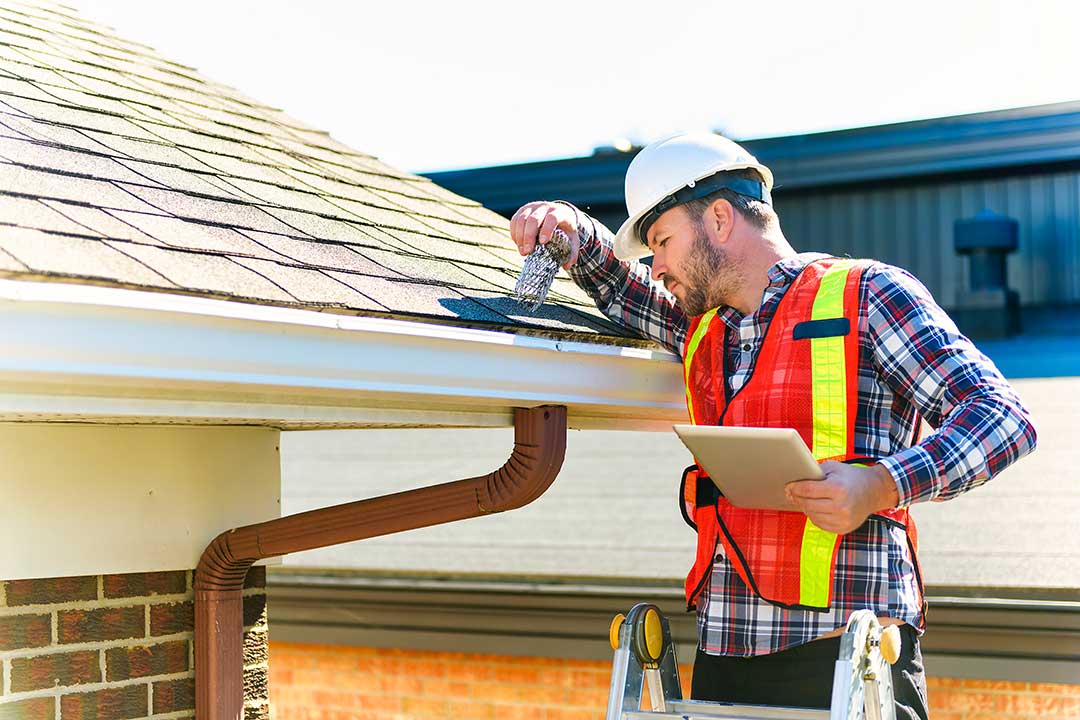
Weather is a major factor in northeastern roof replacement. Rain can interrupt a tear-off because exposed roof decking must be protected from moisture. Strong wind can make loose materials and protective coverings difficult to control. Cold temperatures may affect the handling and sealing of some roofing products, while snow and ice create obvious safety hazards.
In Troy, seasonal freeze-thaw cycles can place repeated stress on roofing materials, flashing, fasteners, and roof edges. Winter snow and ice can also make it harder to identify the original source of a leak. For that reason, tear-offs are often planned around a reliable stretch of dry weather rather than a single clear morning.
A roof should not be left exposed overnight unless it has been securely protected. Temporary coverings can reduce the risk of water entry, but they are not a substitute for a completed roof system. Homeowners should know what protection will be used if rain develops unexpectedly.
What are the main stages after removal?
After the old roof is removed, the work typically proceeds in several stages:
1. Deck inspection and repair: Damaged sheathing is removed and replaced where necessary.
2. Edge and flashing preparation: Roof edges, valleys, walls, chimneys, and penetrations are examined.
3. Underlayment installation: A water-resistant layer is installed over the deck.
4. Ice-barrier installation: Areas vulnerable to wind-driven rain and ice-related backup may receive additional protection required by the applicable code and roof design.
5. New roof covering: Shingles, panels, or another selected material are installed according to the product requirements.
6. Ventilation and penetration work: Ridge vents, roof vents, plumbing boots, and flashing are installed or replaced as needed.
7. Final cleanup and inspection: Debris is removed, grounds are checked for nails, and visible details are reviewed.
The order and materials can vary for flat roofs, steep roofs, slate systems, metal roofs, and buildings with complex additions.
Does a tear-off require a permit in Troy?
Permit requirements depend on the scope of work and the rules enforced for the property. A simple replacement of roof covering may be treated differently from work involving structural changes, alterations to roof framing, significant sheathing replacement, insulation, ventilation, or changes to a historic exterior.
New York’s building requirements apply to roof work, and local procedures determine how applications, inspections, and documentation are handled. Before work begins, property owners should verify whether a permit is required for the specific project and whether additional review applies to a designated historic property or a building with special restrictions.
A permit question should not be answered solely by whether the old shingles are being removed. The full scope of the work matters.
How long does a roof tear-off take?
A straightforward tear-off and replacement may be completed in a day or several days, but timing varies widely. Roof size, pitch, number of layers, accessibility, decking repairs, flashing details, weather, and debris-handling requirements all affect the schedule.
Older homes may take longer because they can have multiple roofing layers, irregular roof lines, wood decking, enclosed porches, additions, or outdated flashing details. Dense neighborhoods and narrow driveways can also limit where equipment and debris containers are placed.
A brief delay is not necessarily a sign of poor planning. Weather protection, hidden structural repairs, and careful cleanup can extend the project while reducing the chance of future problems.
What should homeowners expect inside the house?
Most tear-off activity occurs outside, but noise and vibration can be noticeable indoors. Dust may enter through attic openings or small gaps if the work area is not properly contained. Wall decorations, fragile objects, and items stored in the attic may be affected by vibration.
It is sensible to secure loose items before work starts, avoid spending unnecessary time in rooms directly below active work, and keep children and pets away from the work zone. Attic insulation should not be disturbed unless the roof project specifically includes insulation work.
A complete tear-off is disruptive, but it also provides the clearest opportunity to examine the roof deck and rebuild the roof system correctly rather than covering problems that remain hidden.
