

Why Should You Prepare Your Roof for Winter?
Roof preparation before winter is critical in Troy, NY, where heavy snow, ice, and cold winds are common. Proactive upkeep can prevent leaks, ice dams, and costly repairs during the region’s long, harsh season. Winter weather stresses local roofs in several ways: snow accumulation adds weight, ice dams can force water under shingles, and repeated freeze-thaw cycles can worsen minor vulnerabilities.
What Should You Look for During a Roof Inspection?
A thorough pre-winter inspection can spotlight trouble spots before extreme weather hits. Begin by checking:
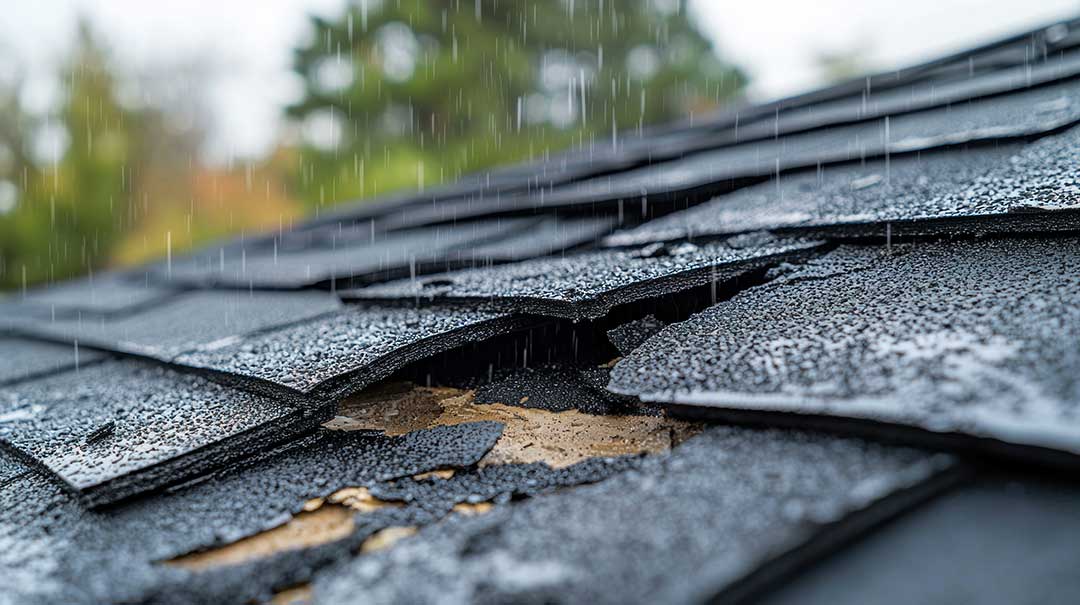
- Shingles for curling, cracking, missing sections, or general wear
- Flashing around chimneys, vents, and skylights for gaps or rust
- Gutters and downspouts for debris, clogs, and proper attachment
Viewing from the ground with binoculars is safest. Step on the roof only if you’re confident in doing so safely—slips are common in damp upstate autumn weather. Residents in Troy’s older neighborhoods may find issues typical of aging roofs, such as granule loss or sagging, especially if the house is surrounded by large trees.
How Can You Safely Clear Debris From Your Roof and Gutters?
Keeping gutters and the roof surface clear reduces the risk of ice dams and water infiltration. In the fall, Troy’s abundant trees shed leaves and twigs that often collect in gutters and valleys.
- Wear gloves and eye protection when clearing gutters by hand
- Use a garden trowel or gutter scoop for compacted material
- Flush gutters with water to ensure downspouts are clear
For debris on the roof, use a leaf blower (on cool, dry days) or a soft broom from a sturdy ladder. Avoid pressure washers, which can damage shingles.
How Do Ice Dams Form and What Can You Do to Prevent Them?
Ice dams are a common winter problem, especially in homes with poor attic insulation or ventilation. Warm air from the living space melts snow on the roof, which then refreezes at the colder eaves, creating a dam that traps water. This water can seep under roofing, leading to leaks or damaged ceilings.
- Ensure attic insulation covers the entire floor evenly, especially above exterior walls
- Check that attic vents are clear and working
- Seal gaps where warm air might leak into the attic from living spaces
Regularly removing snow from the roof’s edge with a roof rake (from the ground) can help prevent damming, but safety must be the top priority.
When Should You Be Concerned About Roof Leaks?
Leaks can start small and are easy to overlook until water damage appears. Inspect your attic after heavy rain, looking for:
- Damp insulation
- Water stains on rafters or the underside of the roof deck
- Musty odors
Even minor leaks can worsen when snow and ice accumulate. Address suspected issues immediately to avoid further complications during the winter months.
What Role Does Ventilation Play in Winter Roof Health?
Proper ventilation allows moisture to escape and maintains a relatively stable attic temperature, which is critical for preventing ice dams and avoiding mold. In Troy, many homes were built before modern venting standards, so checking for blocked soffit or ridge vents is wise. Condensation on attic windows or frost buildup inside the attic indicates a need for better airflow.
- Clear insulation from blocking vents
- Check that mechanical fans vent outside, not just into the attic
Good airflow helps roofs last longer and prevents the development of unhealthy attic conditions.
Are There Warning Signs That Mean Professional Help is Needed?
Some roof problems are dangerous or require specialized repairs, particularly on steep pitches or multi-story homes. Consider expert assessment if you notice:
- Sagging roof areas that could indicate structural problems
- Large sections of missing or damaged shingles
- Significant water infiltration or mold growth in the attic
In Troy, some older homes contain materials such as asbestos or complicated rooflines that may require special handling—these situations often can’t be addressed safely without expertise.
What Are Common Misconceptions About Winter Roof Prep?
A frequent misconception is that roof repairs can always wait until spring. In reality, small vulnerabilities often become emergencies by winter’s end. Another myth is that dark-colored roofs are immune to ice dams. While they may melt snow slightly faster, poor insulation and ventilation are the real culprits.
Some homeowners believe that only visible leaks need attention. However, slow, hidden leaks can cause rot and mold long before any visible sign appears.
What Low-Effort Steps Can Residents Take for Extra Peace of Mind?
For most local households, a handful of practical steps can make a big difference—even without climbing on the roof:
- Trim overhanging branches before snow and ice storms
- Double-check that all attic access doors and hatches are well-sealed
- Monitor inside ceilings and attic spaces throughout winter for any new stains or dampness
Staying alert to small changes helps Troy residents maintain their homes and avoid winter-related roof headaches.
