
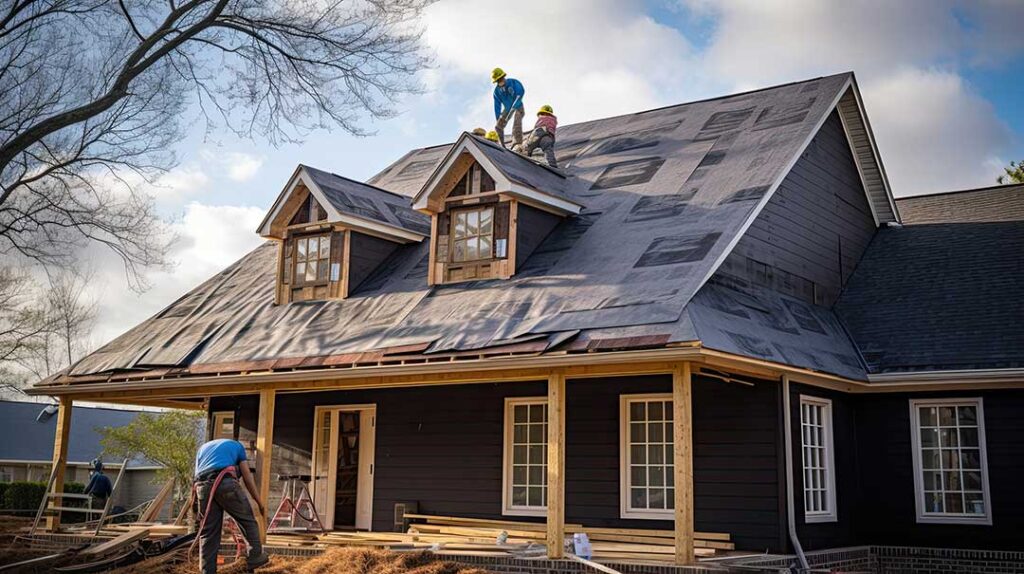
Roof decking is the structural surface beneath a roof’s underlayment and shingles. It connects the roof covering to the rafters or trusses, helps distribute weight, and provides a solid foundation for weatherproofing materials.
For homeowners in Troy, NY, understanding the decking can make roof inspections and repair discussions easier. Problems above the decking are often visible from the ground, but damage underneath may not be discovered until shingles are removed.
What is roof decking?
Roof decking, also called roof sheathing, is the layer of boards or panels fastened over the roof framing. It is usually made from plywood, oriented strand board, or solid wood boards in older homes.
The roof assembly generally includes:
- Rafters or trusses, which form the structural framework
- Roof decking, which spans across the framing
- Underlayment, which adds a secondary moisture barrier
- Flashing, which protects seams and penetrations
- Shingles or another exterior roof covering
Decking is not the same as shingles. Shingles protect the roof from direct exposure to rain, snow, sunlight, and wind, while the decking supports those materials and transfers weight to the framing below.
Why does roof decking matter?
Sound decking helps keep the roof flat, stable, and properly fastened. It also supports workers during installation and provides a reliable surface for underlayment and shingles.
Weak or damaged decking can contribute to:
- Loose or poorly secured shingles
- Uneven roof surfaces
- Nail withdrawal
- Water intrusion
- Sagging between rafters
- Soft areas underfoot during roof work
- Premature failure of a new roof covering
A roof can have relatively intact shingles while the decking below has deteriorated. That is why the condition of the sheathing may not be clear until the roof covering is removed.
What causes roof decking to deteriorate?
Moisture is the most common cause of decking damage. A small leak around a chimney, roof penetration, valley, or flashing joint can gradually wet the wood. Repeated exposure may cause swelling, delamination, rot, or loss of structural strength.
Other causes include:
Long-term condensation
Warm, moist air from the living space can reach a cold roof deck when attic insulation, air sealing, or ventilation is inadequate. During cold weather, condensation can form on the underside of the decking and repeatedly dampen the wood.
Ice-related water backup
Winter freeze-thaw cycles can create ice along roof edges. If melting water cannot drain normally, it may work beneath the roof covering and reach the decking. Properly installed ice-barrier materials and adequate attic conditions help reduce this risk.
Older construction methods
Many older homes use solid wood boards rather than plywood or oriented strand board. These boards can remain serviceable for decades, but gaps, cracks, cupping, and localized rot may develop over time.
Storm and mechanical damage
Heavy snow, fallen branches, wind-driven rain, and repeated foot traffic can stress both the roof covering and the decking. A single event may cause damage, but deterioration is sometimes hidden beneath shingles.
How can a homeowner recognize damaged decking?
Some warning signs can be observed from inside the attic or living space. Others appear on the exterior roof.
Possible indicators include:
- Dark stains or water marks on attic-side wood
- Soft, crumbly, or spongy areas
- Visible mold-like growth caused by persistent dampness
- Sagging between framing members
- Roof sections that appear wavy or uneven
- Shingles that repeatedly loosen in the same area
- Water stains on ceilings or upper walls
- A musty attic odor
A ceiling stain does not always sit directly below the roof leak. Water can travel along rafters, trusses, insulation, or framing before becoming visible indoors.
Attic inspections should be performed carefully. Walking only on framing members is essential because insulation may conceal the spaces between them, and damaged decking may not safely support a person.
Does a roof replacement always require replacing the decking?
No. Roof decking does not automatically need replacement during every reroofing project. If the panels or boards are dry, structurally sound, properly attached, and free from significant deterioration, they may remain in place.
Replacement becomes more likely when decking is:
- Rotten or soft
- Delaminated
- Severely cracked or split
- Sagging
- Water-damaged over a broad area
- Too thin or weak for the planned roof covering
- Unable to hold fasteners securely
Localized replacement is common when damage is limited to areas around a leak or roof penetration. Larger sections may need to be replaced when moisture has spread or when the existing material no longer provides a dependable base.
A new layer of shingles should not be used to conceal structurally unsound sheathing.
What happens when damaged decking is found?
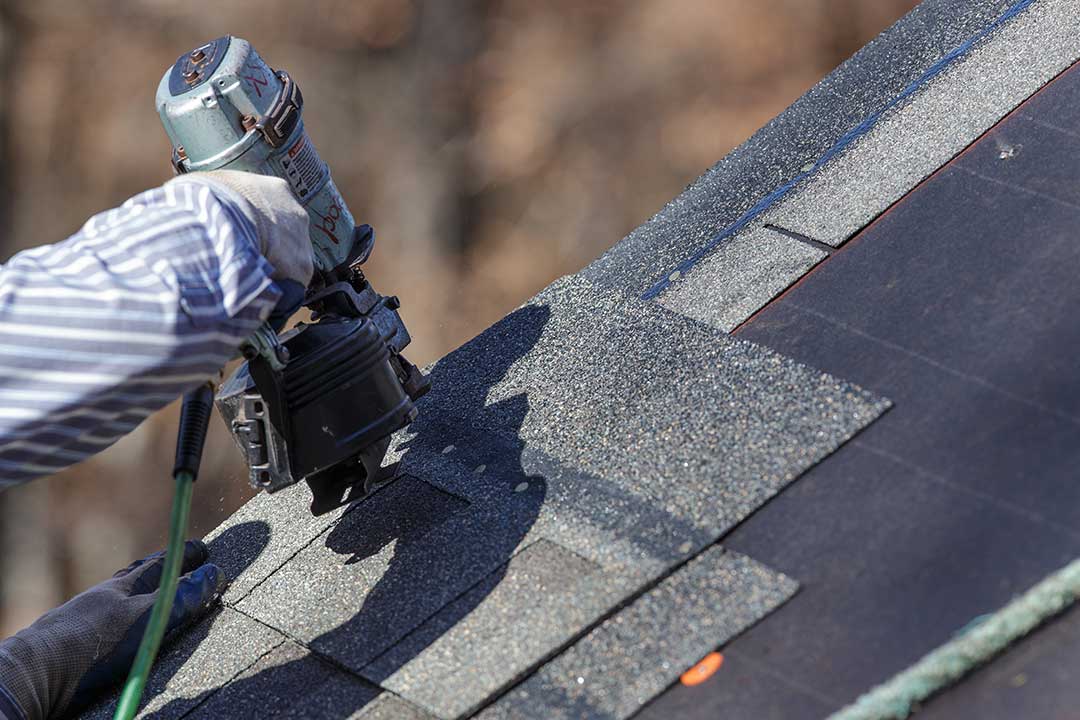
The affected roof covering and underlayment are removed so the decking can be examined directly. Damaged boards or panels are cut out or detached, and replacement material is fastened to the roof framing.
The repair should address the cause of the moisture, not only the damaged wood. That may involve correcting flashing, improving ventilation, repairing a roof penetration, or replacing failed underlayment.
Replacement decking also needs appropriate thickness, spacing, fastening, and support. The correct material depends on the roof design, framing layout, existing construction, and applicable code requirements.
How does Troy’s climate affect roof decking?
Local roofs must handle snow, freezing temperatures, wind-driven precipitation, and repeated freeze-thaw conditions. These conditions can expose weaknesses in flashing, roof edges, valleys, and attic moisture control.
Snow load also matters structurally. The weight of snow is carried through the roof covering and decking into the rafters or trusses and then into the walls. A roof deck that has been weakened by long-term leaks may not perform as intended under added winter weight.
During spring thaw, homeowners may notice ceiling stains that were not visible during dry weather. Melting snow can reveal leaks around roof edges, chimneys, plumbing penetrations, and areas where ice previously backed up.
Are permits relevant to roof decking work?
Ordinary maintenance and nonstructural repairs may be treated differently from structural alterations, but requirements can depend on the scope of work. Replacing damaged decking as part of a larger roof repair may involve code considerations, especially if framing, insulation, ventilation, or the roof structure is affected.
The City of Troy administers building-code requirements, and structural work may require review or a permit. Checking current local requirements before beginning substantial work helps avoid problems with inspections or future property records.
What questions should homeowners ask about roof decking?
Useful questions include:
- What type of decking is currently installed?
- Is the damage localized or widespread?
- What caused the deterioration?
- Will the repair address the source of the leak?
- How much decking can be inspected before work begins?
- What material and thickness will be used for replacement?
- How will the new material be supported and fastened?
- Will attic ventilation or insulation conditions contribute to future moisture?
- Does the planned work require local approval?
Understanding the answers helps distinguish a necessary structural repair from a cosmetic roof-covering issue. The decking is usually hidden, but it plays a central role in the roof’s safety, durability, and ability to resist Troy’s changing weather.
