
Why roofing vocabulary matters
Roofing terms can sound technical, but understanding them helps homeowners describe problems accurately, compare repair information, and recognize when a condition may be urgent. In Troy, NY, roofs must withstand snow, ice, freeze-thaw cycles, wind, rain, and occasional summer heat, so small differences in roof materials and construction can affect durability.
The following terms cover the main parts of a roof, common maintenance concerns, and words often used in inspection or repair discussions.
What are the main parts of a roof?
A roof is more than the visible shingles. It is a layered system designed to shed water, resist weather, and protect the structure below.
- Roof deck: The structural surface beneath the roofing materials. It is commonly made from plywood or oriented strand board. Soft spots, sagging, or visible water staining may indicate deck damage.
- Roof framing: The rafters, trusses, and other structural members that support the roof deck. Framing problems can contribute to sagging or uneven roof lines.
- Underlayment: A water-resistant layer installed over the roof deck and beneath the shingles or other roof covering. It provides additional protection if water gets beneath the outer material.
- Shingles: Individual overlapping pieces that form the roof’s primary weather-resistant surface. Asphalt shingles are common, but roofs may also use metal, slate, wood, or other materials.
- Ridge: The highest horizontal line where two sloped roof sections meet.
- Eave: The lower edge of a sloped roof, where water typically drains toward gutters.
- Rake: The sloped edge of a roof running from the eave to the ridge.
- Gable: The triangular section of exterior wall located beneath the roof slopes.
- Soffit: The underside of an overhanging eave. Soffits may include vents that allow air to enter the attic.
- Fascia: The vertical board along the roof edge, often behind the gutters. Rot or peeling paint on the fascia can signal prolonged moisture exposure.
What do flashing and roof valleys do?
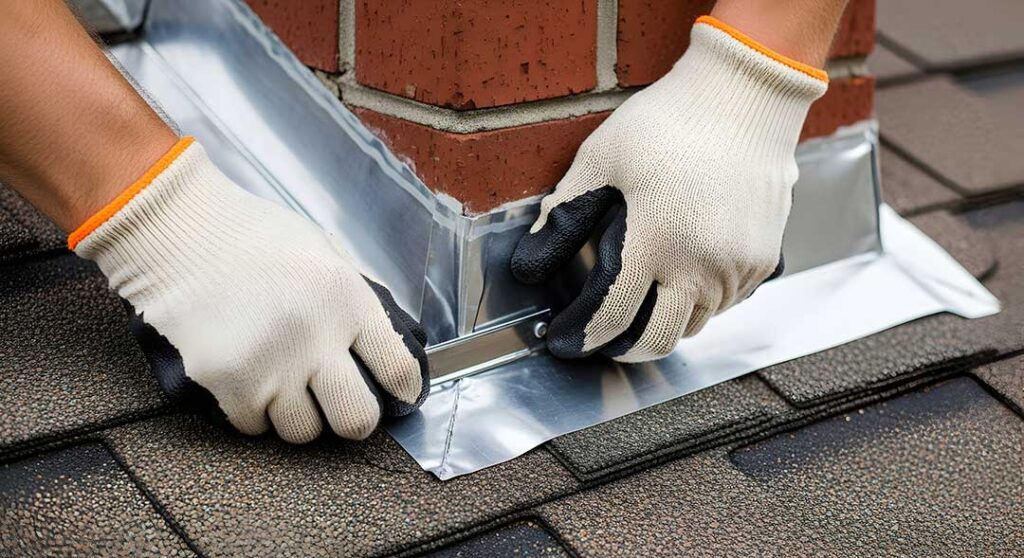
Flashing is material installed around roof transitions and openings to direct water away from vulnerable areas. Valleys are channels where two roof slopes meet and where runoff can concentrate.
Flashing is commonly found around:
- Chimneys
- Plumbing vent pipes
- Skylights
- Dormers
- Roof-wall intersections
- Valleys
- Edges around some roof penetrations
Flashing may be made from metal, membrane materials, or other water-resistant products. Damaged, loose, corroded, or improperly installed flashing can allow water to enter even when the surrounding shingles appear intact.
A roof valley carries water from two sloped sections toward the eaves. Because valleys handle a large volume of runoff, they deserve close attention after heavy rain, snow, or ice accumulation. Dark lines, exposed fasteners, lifted materials, or recurring interior stains near a valley may indicate a drainage or flashing issue.
What is roof ventilation, and why does it matter?
Roof ventilation allows air to move through the attic or roof assembly. A balanced system usually includes intake vents near the lower roof edges and exhaust vents near the ridge or upper roof area.
Proper ventilation can help reduce:
- Excess heat buildup during summer
- Moisture accumulation in the attic
- Frost formation on the underside of the roof deck
- Premature deterioration of roofing materials
- Uneven snow melting that contributes to ice dams
Ventilation does not replace insulation, air sealing, or moisture control. An attic can have vents but still develop problems if bathroom or kitchen exhaust is discharged into the attic, insulation blocks intake vents, or warm indoor air leaks through the ceiling.
What is an ice dam?
An ice dam is a ridge of ice that forms along the lower edge of a roof when melting snow refreezes near the eaves. The ice can prevent water from draining normally, allowing it to move beneath shingles or into wall and ceiling areas.
Ice dams are more likely when:
- Snow remains on a roof during changing temperatures
- The upper roof is warmer than the eaves
- Attic insulation is uneven or insufficient
- Air leaks allow warm indoor air into the attic
- Gutters or eaves are obstructed
Removing snow from a roof can be hazardous, and chopping ice can damage shingles, flashing, and gutters. Interior staining, dripping near exterior walls, or repeated ice buildup should be treated as warning signs rather than routine winter conditions.
What do roof slope and pitch mean?
Roof slope describes how steeply a roof rises compared with its horizontal distance. Pitch is often used in a similar way, although technically it may be expressed as a ratio involving the full roof span.
A low-slope roof sheds water more slowly and may require different materials and installation methods than a steep-slope roof. Steeper roofs generally shed rain and snow more readily, but they can be more difficult and dangerous to walk on.
Roof slope affects:
- Which roofing materials are appropriate
- How quickly snow and rain leave the surface
- Whether special underlayment is needed
- How accessible the roof is for inspection
- The risk of falls during maintenance
Homeowners should not assume that all roof sections on the same house have the same slope. Dormers, additions, porches, and attached structures may have different drainage requirements.
What are granules, tabs, and shingle courses?
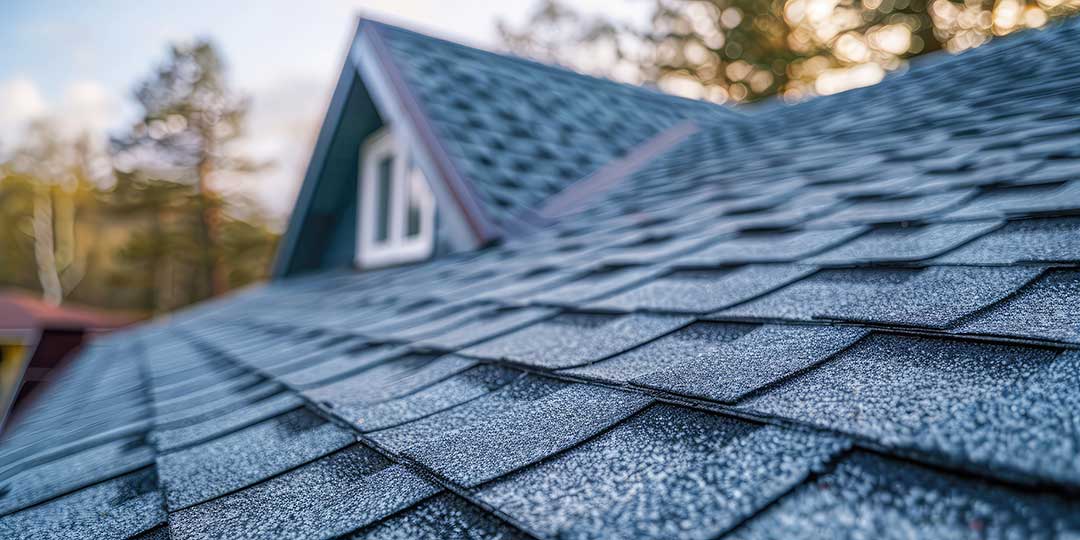
Several terms describe the visible details of asphalt shingles.
- Granules: Small ceramic-coated particles embedded in the shingle surface. They provide color and help protect the asphalt from sunlight and weather.
- Shingle tab: The exposed lower portion of some individual shingles, often separated by cutouts.
- Course: A horizontal row of shingles installed across the roof.
- Starter strip: The first shingle layer installed along the eave. It helps seal the lower edge and supports the first visible course.
- Ridge cap: Shingles or specialized pieces installed along the roof ridge.
Loose granules in gutters are not automatically proof that a roof has failed. A small amount may appear after installation or severe weather. Large quantities, bald areas, cracking, curling, or widespread granule loss are more concerning.
What is a roof leak, and where does it begin?
A roof leak is water entering the building through the roof system, but the visible ceiling stain may not be directly below the entry point. Water can travel along rafters, roof decking, insulation, or wall framing before becoming visible indoors.
Common leak sources include:
- Damaged or missing shingles
- Failed flashing
- Open or deteriorated valleys
- Blocked drainage areas
- Cracked pipe boots
- Improperly sealed roof penetrations
- Ice damming
- Deteriorated chimney masonry or flashing
A ceiling stain that appears after rain or snow deserves attention even if it dries before the next storm. Repeated wetting can damage insulation, wood framing, drywall, and electrical components.
What are algae, moss, and lichen?
Algae may create dark streaks or discoloration on shingles. Moss is a plant that can grow in damp, shaded areas and may lift shingle edges as it spreads. Lichen combines fungal and algal growth and can attach firmly to roofing materials.
These growths are more common where roofs receive limited sunlight or remain damp. Scraping or pressure washing can remove protective granules and damage shingles. Treatments should be selected carefully, especially near gardens, landscaped areas, pets, and storm drains.
Discoloration alone does not always mean a roof is leaking. However, moss that lifts shingles or remains thick along roof edges can interfere with water shedding.
What does roof life expectancy really mean?
A roof’s expected service life is an estimate, not a guarantee. Actual performance depends on material quality, installation, ventilation, roof slope, weather exposure, maintenance, and the number of existing layers.
A roof may still be functional while showing normal aging, or it may require attention before its expected age because of storm damage or poor ventilation. Useful warning signs include:
- Repeated leaks
- Widespread curling or cracking
- Sagging roof lines
- Exposed underlayment
- Damaged flashing
- Missing shingles
- Extensive granule loss
- Daylight visible through the roof deck from the attic
Which roof problems require immediate caution?
Some conditions create a safety risk or may worsen quickly. Homeowners should avoid walking on roofs that are wet, icy, steep, visibly damaged, or weakened. Falling branches, exposed electrical components, structural sagging, and water near electrical fixtures also require caution.
After severe weather, a ground-level inspection is safer than climbing onto the roof. Binoculars can help identify missing materials, displaced flashing, or damaged vents without adding fall risk. Understanding the terminology makes it easier to document changes and explain what is visible from a safe location.
