
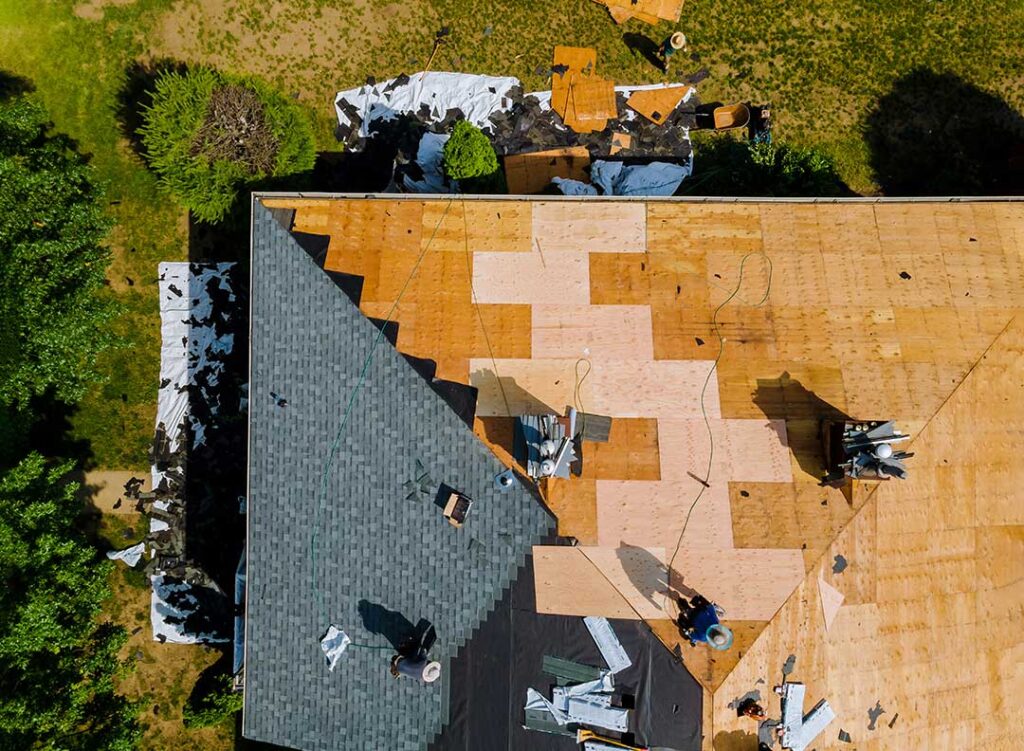
A roof inspection is most useful before a small defect becomes an interior leak or structural problem. For most homes, a yearly inspection is a reasonable baseline, with additional inspections after severe weather, before a home sale, or when warning signs appear.
How often should a roof be inspected?
Most residential roofs should receive a careful inspection at least once a year. In Troy, NY, many homeowners choose spring or early fall because these seasons make it easier to identify damage and address problems before the next period of heavy snow, ice, wind, or freezing temperatures.
An annual inspection does not mean the roof needs repair every year. It provides a chance to check whether roofing materials, flashing, drainage components, and roof penetrations are still performing as intended.
A yearly schedule is especially useful for:
- Older roofs
- Homes with mature trees nearby
- Properties with steep, complex, or partially flat roof sections
- Roofs that have experienced previous leaks
- Buildings with additions, dormers, skylights, chimneys, or multiple rooflines
- Homes where attic ventilation or moisture problems have been observed
The appropriate interval may be shorter if the roof is nearing the end of its expected service life or has a history of storm damage.
Is spring the best time for a roof inspection?
Spring is often the most practical time for a detailed inspection because winter conditions may reveal problems that were not visible during the warmer months. Snow, ice, wind, and repeated freeze-thaw cycles can loosen materials, damage flashing, clog drainage paths, or expose weak areas around roof edges.
A spring inspection should look for:
- Missing, cracked, curled, or displaced shingles
- Loose metal flashing around chimneys, walls, vents, and skylights
- Damaged gutters, downspouts, and ice-damaged edges
- Water staining on attic framing or ceilings
- Sagging areas or changes in the roof surface
- Granules collected in gutters or at downspout outlets
- Moss or organic growth retaining moisture against roofing materials
The inspection does not need to wait until all signs of winter have disappeared. However, roof surfaces should be dry and safe to access. Walking on snow, ice, or a wet roof can create hazards and may cause additional damage.
Should a roof be inspected before winter?
Yes. An inspection in late summer or early fall can identify conditions that may worsen under snow and ice. This timing allows homeowners to address minor issues before cold weather makes repairs more difficult or water enters during a winter storm.
Before winter, particular attention should be given to:
- Loose or missing roofing materials
- Open seams and deteriorated sealants
- Inadequate flashing
- Blocked or poorly draining gutters
- Damaged vent pipes and boots
- Areas where tree limbs may rub against the roof
- Attic moisture, condensation, or insufficient ventilation
- Signs that previous leaks were never fully resolved
A roof does not need to be completely free of age-related wear to get through winter safely, but active leaks, open penetrations, and unstable materials should not be ignored.
When should a roof be checked after a storm?
A roof should be inspected after any storm that produces strong wind, hail, heavy rain, falling branches, or unusually heavy snow. Damage is not always visible from the ground, and a roof can leak even when shingles appear mostly intact.
After severe weather, look from the ground for:
- Shingles or metal pieces in the yard
- Exposed underlayment or roof decking
- Bent gutters or downspouts
- Broken branches resting on the roof
- New stains on ceilings or upper walls
- Water in the attic
- Daylight visible through the roof deck
- Debris collecting in valleys or near drainage points
Do not climb onto the roof to investigate storm damage. A ground-level check using binoculars can provide useful information, but unstable roofing, hidden structural damage, and slippery surfaces can make close inspection unsafe.
If water is entering the home, protect belongings, place containers beneath active drips, and document visible damage with photographs. Temporary measures should focus on preventing additional interior damage without creating a fall or electrical hazard.
What signs mean an inspection should happen sooner?
A calendar-based inspection is useful, but visible or interior warning signs should take priority. A roof should be checked sooner than planned when a homeowner notices unexplained moisture, changes in the roofline, or damage around roof openings.
Common warning signs include:
- Brown or yellow ceiling stains
- Peeling paint or bubbling drywall near the top floor
- Damp insulation or musty attic odors
- Dripping sounds during rain
- Shingles found on the ground
- Visible sagging
- Gaps around vents, pipes, or chimneys
- Excessive granules in gutters
- Daylight entering through the attic roof deck
- Ice buildup that repeatedly causes interior leaks
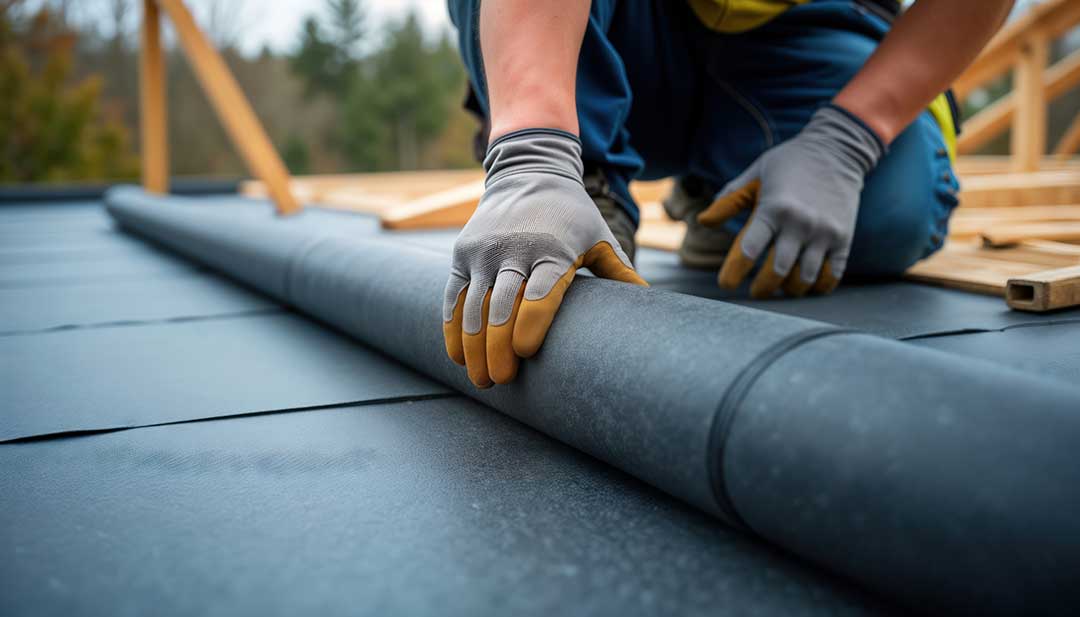
A leak may not appear directly below the damaged area. Water can travel along rafters, roof decking, insulation, or interior framing before becoming visible. For that reason, a small ceiling stain should not automatically be treated as a minor roofing issue.
Does roof age change the inspection schedule?
Yes. Older roofs generally deserve closer and more frequent attention because materials become less flexible, sealants deteriorate, and previous repairs may no longer remain watertight.
Age alone does not determine whether a roof is safe or needs replacement. The roof’s material, installation quality, ventilation, exposure to weather, maintenance history, and number of previous repairs all matter.
For an older roof, an inspection can help answer practical questions:
- Are the remaining materials still shedding water effectively?
- Are repairs localized or occurring in several areas?
- Is the roof surface showing widespread aging?
- Are flashing and drainage components failing before the main covering?
- Is attic moisture shortening the roof’s service life?
- Are there safety concerns related to sagging or weakened decking?
A detailed written record of observed conditions can also help homeowners track gradual changes from year to year.
What does a roof inspection usually include?
A roof inspection generally involves examining the visible roof covering, drainage system, flashing, penetrations, attic areas when accessible, and signs of water entry. The inspection method may be from the ground, a ladder, the roof surface, the attic, or a combination of these approaches.
A roof does not always need to be walked on. Wet, icy, fragile, steep, or damaged surfaces may be unsafe to access. A careful inspection should explain which areas were visible, which areas could not be safely reached, and what limitations affected the findings.
In Troy, older housing stock and closely spaced buildings can create additional inspection challenges, including shared walls, attached additions, narrow side access, and roof sections hidden from ordinary ground-level views. These conditions make clear documentation especially useful.
What is the difference between a roof inspection and a home inspection?
A roof inspection focuses on roofing materials, flashing, drainage, penetrations, attic conditions, and visible signs of roof-related water intrusion. A full home inspection covers many other systems and may only report on the readily accessible portions of the roof.
Neither type of inspection guarantees a prediction of the roof’s exact remaining lifespan. Hidden damage, concealed fasteners, covered roof areas, and weather-related access limits can affect what can be observed.
For routine maintenance, the goal is to identify current defects, areas of concern, and conditions that deserve monitoring. For a home purchase, the roof findings should be considered alongside the rest of the property’s inspection information.
A practical inspection schedule
For many households, the following schedule is reasonable:
- Once each year: Complete a general roof and attic review.
- In spring: Check for winter and freeze-thaw damage.
- Before winter: Confirm that roofing, flashing, gutters, and drainage are in serviceable condition.
- After severe weather: Look for storm-related damage as soon as conditions are safe.
- After any interior leak: Investigate promptly, even if the leak stops.
- Before selling or buying a home: Document the roof’s observable condition and known repair history.
- More frequently for older or problem roofs: Monitor changes rather than waiting for the next annual date.
Regular inspection is not a substitute for maintenance, but it can reveal developing problems while they are still easier to understand and manage. For local households, the most useful timing is usually before winter, after damaging weather, and whenever the home shows evidence that water or moisture may be getting where it should not.
