
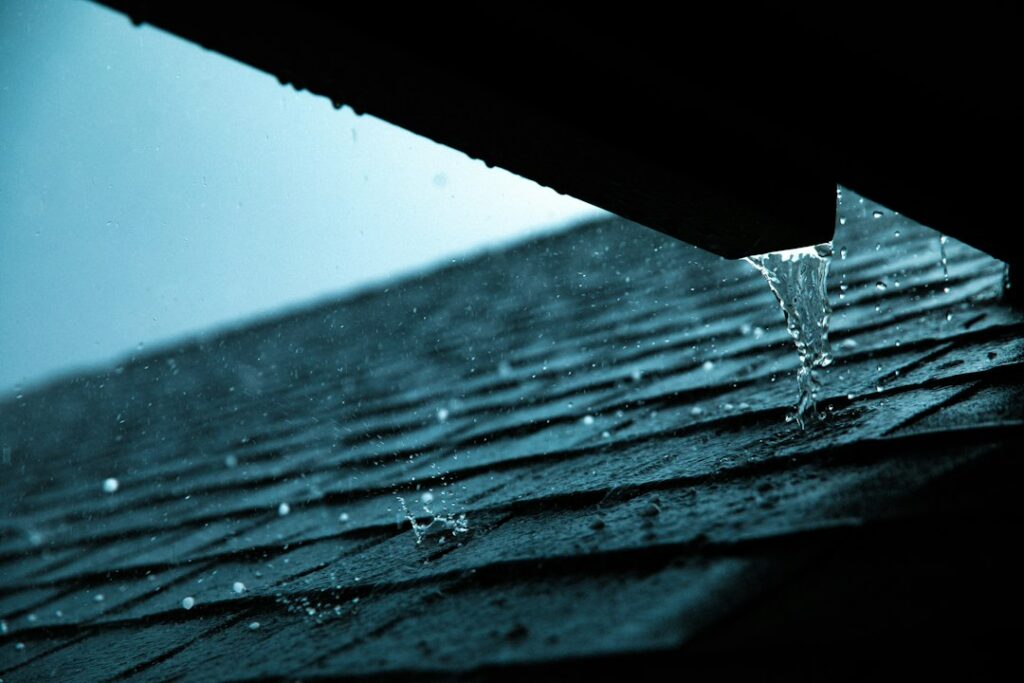
Rain on a roof is normal, but the sound can become distracting when it reaches bedrooms, finished attics, or upper-floor living spaces. In Troy, NY, changing weather, spring rain, summer thunderstorms, and winter precipitation can make roof noise a recurring household concern.
The amount of sound indoors depends on more than the roofing material. Roof design, attic insulation, ceiling construction, skylights, gutters, and even the location of bedrooms can all affect how loudly rain is heard.
Why does rain sound loud on some roofs?
Rain noise is created when water droplets strike a roof surface and cause small vibrations. Those vibrations can travel through the roof deck, framing, insulation, and ceiling before reaching the rooms below.
A few conditions tend to make the sound more noticeable:
- Metal roofing can produce a sharper sound when installed over a lightly built roof assembly.
- A low-slope roof may collect and release water in concentrated areas.
- Large, uninsulated attic spaces can allow sound to travel more easily.
- Finished rooms directly beneath the roof are more exposed to rainfall noise.
- Skylights, roof windows, and attic access panels can act as sound pathways.
- Gutters and downspouts may amplify dripping or rushing water near walls and windows.
The roof material is only one part of the acoustic system. A well-insulated roof with a properly finished ceiling may be quieter than a poorly insulated roof covered with a material that is generally considered less noisy.
Does metal roofing always make rain louder?
No. Metal roofing can sound louder when it is installed over open framing or a roof deck with little insulation, but it does not automatically create excessive indoor noise.
A metal roof installed over solid decking, underlayment, insulation, and a finished ceiling can be relatively quiet. In some homes, the sound difference between metal and asphalt shingles is much less noticeable indoors than expected.
The roof assembly matters more than the visible surface alone. Before changing roofing material solely for noise reasons, it helps to identify whether the actual problem is coming from a thin ceiling, an empty attic, a loose roof component, or water striking a gutter.
How can attic insulation reduce rain noise?
Adding or improving attic insulation is often one of the most practical ways to reduce roof noise. Insulation absorbs some airborne sound and reduces the open space through which vibrations can travel.
Loose-fill or batt insulation placed correctly between ceiling joists can help, particularly in unfinished attic areas. It should not block required ventilation paths at the eaves, ridge, or other designed openings. Compressing insulation or covering ventilation channels can contribute to moisture problems and reduce its effectiveness.
For a finished attic, insulation may need to be placed between roof rafters rather than above the ceiling. This work must account for roof ventilation, moisture control, and the existing assembly. In older housing, careful inspection is useful because insulation may be missing, uneven, damp, or settled.
Insulation will not eliminate all sound. It works best as part of a complete ceiling and roof assembly rather than as a thin layer added without regard to ventilation or moisture.
Can a ceiling upgrade make the rooms quieter?
Yes. The ceiling below the attic is a major sound-control surface. A heavier, more continuous ceiling can reduce the amount of noise passing into the room.
Possible improvements include:
- Adding another layer of gypsum board to the ceiling.
- Sealing gaps around recessed fixtures, attic hatches, and wiring openings.
- Using resilient channels or other separation methods during a larger ceiling renovation.
- Improving insulation above the ceiling before closing the assembly.
- Replacing a lightweight or damaged attic access panel with a tighter, insulated cover.
Air gaps are especially important. Even small openings around light fixtures, ducts, pipes, or access doors can allow sound to pass through. Any sealing work must be compatible with fire-safety requirements and the type of fixture involved.
A ceiling upgrade may be more practical than replacing an otherwise serviceable roof when the primary complaint is indoor noise.
What should be done about noisy gutters and downspouts?
Sometimes the roof is not the main source of the sound. Water falling into a gutter, striking a loose elbow, or splashing against a downspout can create a repetitive tapping or rushing noise.
Check for:
- Loose gutter sections or brackets.
- Downspouts that vibrate against siding or masonry.
- Water dropping from a roof edge instead of entering the gutter.
- Clogged sections that cause water to spill over.
- Missing or poorly aligned downspout extensions.
- Gutter outlets positioned near a bedroom wall or window.
A loose metal component may produce noise even during light rain. Fasteners, supports, and connections should be secure, but adjustments should not interfere with drainage or create places where water can collect.
In areas with freezing weather, drainage components also need enough flexibility and support to handle ice and snow without pulling away from the roof edge.
Do shingles or underlayment help reduce rain noise?
They can. Asphalt shingles, underlayment, and solid roof decking create multiple layers between the rain and the interior ceiling. These layers can dampen some vibration, although they cannot make a roof completely silent.
A roof replacement should not be planned solely around sound unless the existing roof also has age, leakage, structural, or ventilation problems. Replacing sound roofing material just to address noise may be unnecessary if insulation and ceiling improvements would solve most of the issue.
Underlayment also serves water-shedding purposes, so it should not be selected or installed as an acoustic product alone. Roof assemblies must remain compatible with local weather, ventilation, flashing, and manufacturer requirements.

Are skylights and roof windows a common source of rain noise?
Yes. Rain striking glass or a thin skylight frame can sound louder than rain striking shingles. The effect is often strongest during heavy rain or hail.
Noise may be reduced by:
- Using interior shades or blinds with dense fabric.
- Adding an approved interior panel designed for the skylight.
- Checking whether the frame, trim, or interior finish is loose.
- Improving insulation around the skylight shaft during renovation.
- Replacing an aging unit when it also has drafts, condensation, or water intrusion.
Interior coverings may soften sound, but they should not hide signs of leakage. Staining, bubbling paint, damp insulation, or musty odors require attention because water damage can spread beyond the visible area.
When is roof noise a warning sign?
Rain noise by itself is usually not evidence of a roofing defect. However, sudden changes in sound can point to a loose component or drainage problem.
Pay attention to:
- New rattling, banging, or metallic clatter.
- Dripping sounds inside the ceiling after rainfall.
- Water stains or damp spots.
- Sagging gutters or roof edges.
- Shingles, flashing, or trim found on the ground.
- Noise that continues long after rain has stopped.
Wind-driven rain and winter freeze-thaw cycles can expose weaknesses in flashing, fasteners, gutters, and roof edges. If water is entering the building or a roof component appears unstable, inspection becomes a safety and damage-prevention issue rather than simply a noise-control project.
What is the most practical order of improvements?
Start with the source of the sound. During or shortly after rainfall, listen in the attic, near skylights, around gutters, and along exterior walls to determine whether the noise is coming from the roof surface, the drainage system, or the ceiling.
A sensible sequence is:
- Check for leaks, loose parts, and gutter problems.
- Seal obvious air gaps around attic access points and ceiling penetrations.
- Review attic insulation and ventilation.
- Add sound-reducing ceiling materials during planned renovations.
- Consider roof-material changes only when the roof already needs replacement.
For households in Troy, older construction, finished attic spaces, and seasonal temperature changes can make the roof assembly especially important. Reducing rain noise is usually most successful when the roof, attic, drainage, and ceiling are treated as one connected system.
