
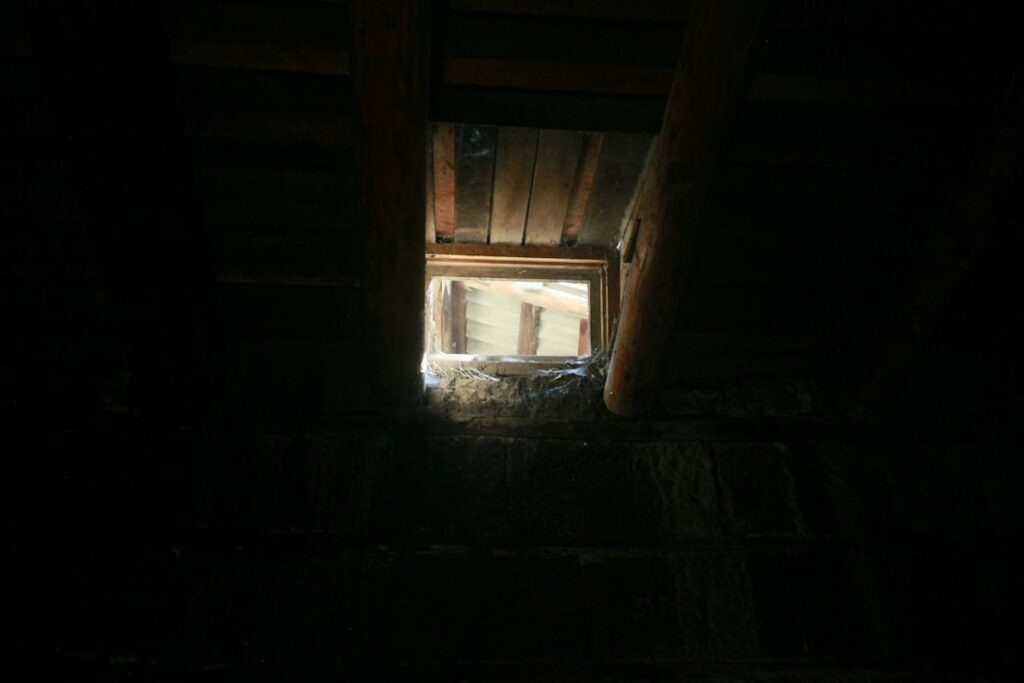
Why do pests enter through the roof?
Pests usually get into a roof through small openings that develop over time. Damaged shingles, loose flashing, worn soffits, uncovered vents, and gaps around roof penetrations can create access to the attic or wall cavities.
For many animals, an attic offers shelter, warmth, nesting material, and protection from outdoor conditions. In Troy, NY, seasonal temperature changes, snow, ice, wind, and heavy rain can gradually weaken roofing details and make existing openings larger.
The animals most often associated with roof and attic entry include:
- Squirrels
- Raccoons
- Bats
- Mice and rats
- Birds
- Wasps, bees, and other insects
Some pests enter directly through the roof. Others climb trees, walls, chimneys, or utility lines and reach the roof edge before finding a gap.
Which parts of a roof are most vulnerable?
The most common entry points are located where roofing materials meet other building components. These areas experience movement, weather exposure, and repeated maintenance work.
Roof edges and soffits
The lower edge of a roof is a frequent access point. Animals may push through loose soffit panels, damaged fascia, or gaps where the roof edge meets the exterior wall. Squirrels and raccoons can enlarge a weak opening with chewing or force.
Ventilation openings in soffits also need intact screening. A vent can allow air to move while still blocking birds, bats, rodents, and insects. If the screen is missing, bent, rusted, or pulled loose, the opening may be large enough for pests to enter.
Roof vents
Turbine vents, box vents, ridge vents, and plumbing vent areas can become entry points when covers are damaged or screens deteriorate. Birds may enter through open vent assemblies, while insects can use very small cracks around the edges.
A vent does not need to be visibly broken to create a problem. Loose fasteners, lifted flashing, or a narrow gap under the vent base may be enough.
Chimneys and chimney flashing
Gaps around chimney flashing can lead into concealed roof or attic spaces. Chimney caps also help prevent birds, squirrels, bats, and rain from entering the flue or nearby structure.
A missing or damaged cap may produce scratching, bird calls, nesting debris, or unusual odors. Chimney-related openings should be handled carefully because blocked flues and nesting material can create fire or indoor-air hazards.
Roof penetrations
Anything that passes through the roof creates a potential weak spot. Common examples include plumbing vents, exhaust ducts, skylights, antennas, and electrical components.
Flashing around these features can crack, lift, or separate from the surrounding roofing. Water damage may appear before pest activity becomes noticeable, and softened wood can make entry easier.
Missing or damaged shingles
A single missing shingle may expose underlayment, roof decking, or a gap near the eaves. Wind, ice, falling branches, and repeated freeze-thaw cycles can damage shingles or loosen their fasteners.
Animals do not always enter through the most obvious damaged area. A visible missing shingle may be near the source of the problem, while the actual opening is hidden beneath a roof edge or behind siding.
How do pests reach the roof?
Many roof pests use nearby structures as a route rather than flying directly to the opening.
Tree branches that touch or overhang the roof can provide a bridge for squirrels, raccoons, and other animals. Vines, fences, porch roofs, stacked materials, and attached garages may also make the roof easier to reach.
Rodents can climb rough siding, masonry, downspouts, and utility lines. Birds may use roof ledges and vents for nesting. Bats can enter through narrow cracks near roof edges, flashing, or attic ventilation openings.
Because of these access routes, sealing one hole may not solve the problem if another opening remains nearby.
What signs suggest pests are entering through the roof?
The signs depend on the animal, but attic and roof activity often leaves physical evidence.
Look for:
- Scratching, scurrying, or thumping sounds, especially at night
- Droppings or urine stains in the attic
- Nesting material such as leaves, insulation, paper, or fabric
- Gnawed wood, plastic, wiring, or roof components
- Feathers, fur, or small piles of debris near vents
- Grease or dirt marks around a frequently used opening
- Daylight visible through the roof deck, soffits, or gable vents
- Torn screening or displaced insulation
- Strong odors from animal waste or decaying material
- Insects repeatedly entering and leaving one roof area
A ceiling stain alone does not prove that pests are present. Roof leaks, condensation, and ice-related damage can create similar symptoms. The location and pattern of the evidence matter.
Can a very small opening really let an animal inside?
Yes. Mice can use openings only slightly wider than a pencil, while bats can enter through narrow gaps around roof joints and vents. Larger animals may begin with a small weak spot and enlarge it by chewing, clawing, or pushing.
A gap that looks too small for a raccoon may still be an entry point for a squirrel, bird, bat, or rodent. Once inside, the animal may create a larger opening by damaging insulation, trim, or roofing materials.

This is why visual inspection should include the entire roof perimeter rather than focusing only on obvious holes.
What should homeowners check safely?
A ground-level inspection can identify many warning signs without climbing onto the roof. Examine the roofline with binoculars if needed, especially after wind or winter weather.
Check for:
- Missing, curled, or lifted shingles
- Loose fascia and soffit panels
- Damaged vent screens
- Gaps around chimney flashing
- Cracked sealant around roof penetrations
- Openings at gable vents
- Tree limbs touching the roof
- Droppings or nesting debris near roof edges
- Scratches or chew marks on wood and trim
Attics should be approached cautiously. Animal waste may carry health risks, and damaged wiring can create an electrical hazard. Weak roof decking, tight spaces, poor lighting, and hidden nails also make attic inspections dangerous.
Should an opening be sealed immediately?
Not always. Sealing an opening while an animal is inside can trap adults, young animals, or birds in the attic or wall cavity. The result may be more damage, persistent odors, or an animal searching for another way into the living space.
Before closing an active entry point, determine whether the space is occupied. Evidence such as fresh droppings, sounds, nesting activity, or repeated movement can indicate that exclusion should be planned rather than handled as a simple repair.
Certain wildlife may also be subject to seasonal or legal protections. Bats, birds, and animals with dependent young require particular care. Removing an entry route without considering timing can create both animal-welfare and building problems.
How can roof pest entry be reduced?
Prevention begins with keeping roof details intact and limiting easy access.
Useful measures include:
- Repairing loose soffits, fascia, flashing, and vent covers
- Replacing damaged screening with durable pest-resistant mesh
- Keeping branches from resting on or providing direct access to the roof
- Maintaining chimney caps and checking chimney flashing
- Inspecting roof penetrations after major storms
- Removing nesting materials only after confirming the space is no longer occupied
- Closing gaps around utility penetrations and roof-to-wall joints
- Checking older roofs more frequently for movement and weather damage
In older homes, several small weaknesses may exist at the same time. A roof can appear serviceable from the street while openings remain hidden at the eaves, behind gutters, or around attic vents.
Pest activity is often a building-maintenance issue as much as an animal issue. Finding the entry route, confirming whether the space is occupied, and correcting the underlying roof weakness are all necessary to prevent the same problem from returning.
