
How Does a Roof Affect Energy Efficiency?
A home's roof is a major factor in regulating indoor temperatures and managing energy use year-round. In Troy, NY, where winters are cold and summers can get humid, the type and condition of a roof directly influences heating and cooling needs.
Roofs serve as a barrier between the indoors and the outdoors. Poor insulation, gaps, or dark roofing materials can allow heat to escape in winter and cause excessive heat gain in summer. This raises energy use for both furnaces and air conditioning, leading to higher utility bills.
What Roofing Materials Offer the Best Energy Efficiency?
Some roofing materials naturally offer better thermal performance than others. Residents often ask which options help the most with both insulation and solar reflectivity.
- Metal roofs coated with reflective finishes can lower summer cooling needs by reflecting sunlight.
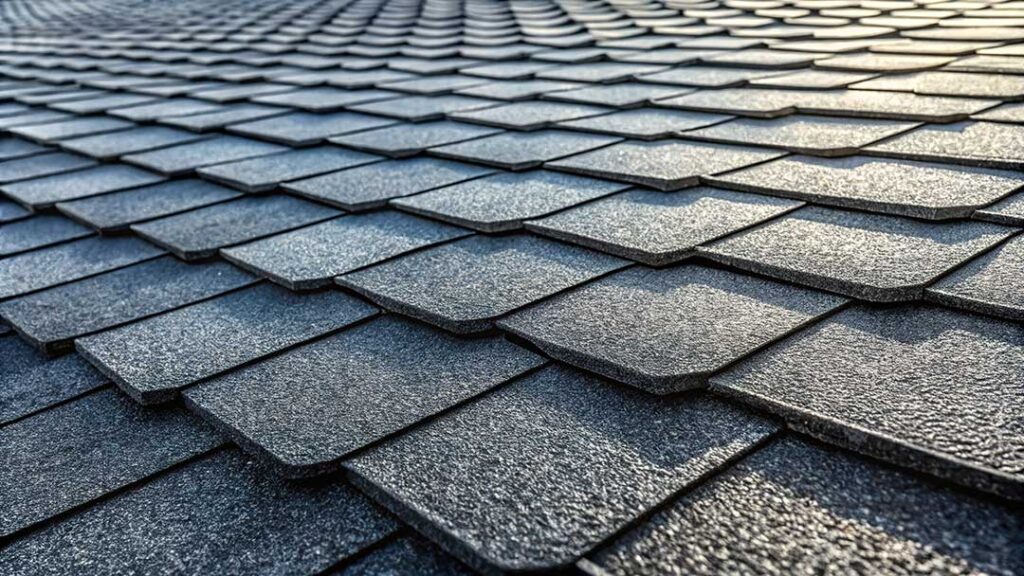
- Asphalt shingles are common and affordable, but their efficiency varies depending on color and whether they’re ENERGY STAR-rated.
- Slate and tile can retain less heat and often last longer, but they are heavier and may not suit all homes.
Selecting a light-colored, ENERGY STAR-rated material can improve summer comfort and reduce air conditioning costs. However, the effectiveness depends on attic insulation and roof ventilation as much as the shingle type.
Does Roof Color Really Make a Difference?
Yes, color plays a role in energy performance. Light-colored roofs reflect more sunlight and stay cooler, while dark-colored shingles absorb heat and can warm the house during sunny days.
In Troy, lighter roofs may help during the summer by reflecting sunlight away from the home. However, some local homeowners prefer dark shingles for aesthetic reasons or because they may provide a slight warming benefit during the long heating season. The difference is most significant when paired with good attic insulation.
How Do Insulation and Ventilation Affect Energy Use?
Insulation and ventilation are equally important as material choice for energy savings.
- Attic insulation slows heat transfer, keeping warmth inside during winter and blocking heat in summer.
- Proper ventilation allows hot, moist air to escape, preventing heat buildup and moisture problems in any season.
In older homes common in the community, attic insulation may be insufficient or degraded. Even newer homes can develop blocked vents or imbalanced airflow. Good insulation and airflow can prevent issues like ice dams, mold, and heat leaks, all of which raise energy usage.
Are “Cool Roofs” Practical for the Local Climate?
“Cool roof” technology typically refers to roofs designed to reflect more sunlight. In hotter climates, these roofs have obvious benefits, but in Troy, with its long winters, the picture is more nuanced.
Local conditions mean that the benefit of solar reflectance is greatest during summer heatwaves. During long winters, some natural solar heating from the roof can reduce heating needs very slightly. This makes cool roof technology ideal for specific homes with high summer cooling costs, while traditional darker roofs might suit those especially concerned about heating efficiency.
What Maintenance Affects Energy Efficiency?
Neglected roofs can develop leaks, damaged shingles, or clogged gutters, all of which impact energy use and comfort.
- Missing or cracked shingles can let water or air leak in, damaging insulation and increasing drafts.
- Blocked gutters or ice dams lead to water pooling and may let heat escape along the roof edge.
- Moss and debris buildup create cool, damp spots that affect the temperature balance under the roof.
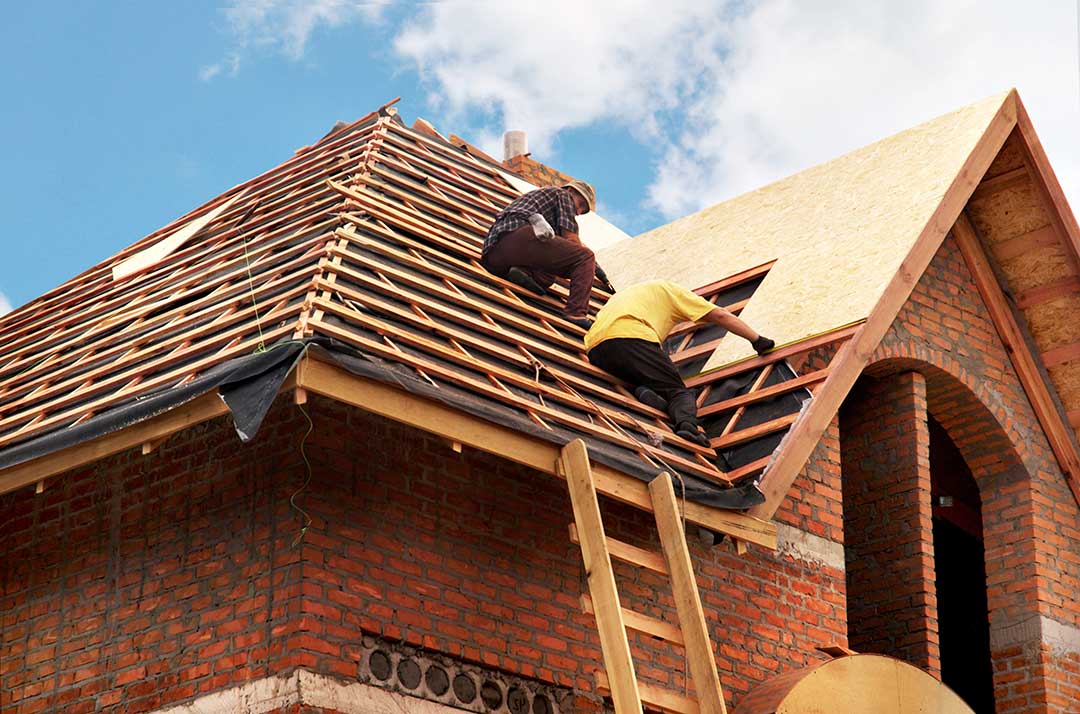
Yearly inspections—especially after storms or heavy snowfall—help maintain the energy performance of any roof.
Common Misconceptions About Roof Upgrades and Energy Savings
Homeowners sometimes think that a new roof alone will make their home much more efficient, or that insulation isn’t as critical if the roofing material is “energy-saving.” In practice, energy performance is a system, not a single upgrade.
Most real-world savings come from a combination of solid attic insulation, effective air sealing, and a well-chosen roofing material. Upgrading just one element usually gives modest results; improvements stack for greater benefit.
Local Tips for Managing Roof-Related Energy Costs
Because Troy experiences hot summers and freezing winters, residents should balance both heating and cooling needs:
- In older houses, sealing attic gaps where pipes, wiring, or old chimneys exit can deliver noticeable savings.
- Clearing snow and ice to prevent roof dams helps protect insulation and keep heat locked in.
- Replacing or adding attic insulation is often one of the most cost-effective first steps.
- For homes with excessive heat upstairs in summer, enhanced roof ventilation offers relief as much as new roofing does.
Understanding these details can help area households decide which improvements are worth tackling first when prioritizing comfort and reducing utility bills.
