
What Does Mold or Mildew Look Like on Roofs in Troy, NY?
Mold and mildew often appear as dark streaks, greenish patches, or fuzzy spots on asphalt shingles, wooden shakes, or other roofing materials. In the moist climate of Troy, especially with spring thaws and humid summers, these growths thrive on both north-facing and shaded roof slopes. Residents often mistake them for dirt, roof aging, or harmless discoloration, but ignoring these signs can affect both curb appeal and roofing lifespan.
Some common visual identifiers include:
- Black or dark green streaks running down roof slopes
- Pale green, yellow, or grayish lichen-like growth around shingle edges or shaded areas
- White, gray, or fuzzy patches that might look powdery or wet
Most growth will concentrate in places where leaves and debris collect, under tree overhangs, or on areas with poor sunlight exposure.
Why Does Mold or Mildew Grow on Roofs in This Area?
Mold and mildew result from a combination of moisture, organic material, and shade—conditions regularly present on Troy’s residential roofs. Periodic rainfall, melting snow, and tree coverage all create an environment where spores can settle and multiply.
Local factors that make these growths more common:
- Roofs under large trees or near wooded properties accumulate organic debris (like leaves or needles) that retain moisture
- The Mohawk River and local humidity levels add to the frequency of damp days, especially in spring and fall
- Northern exposures dry more slowly after rain or snow, making them hotspots for spore growth
Are Mold and Mildew Harmful to Roofs or Health?
Minor mold or mildew may seem cosmetic at first, but unchecked growth can eventually shorten roof life and create slippery surfaces, especially on low-sloped entryways or porch roofs. While most roof mold in the city is not of the hazardous indoor variety, heavy build-up can find its way into attics or soffits if leaks or poor ventilation are present.
Potential impacts include:
- Staining and weakening of shingles, wood, or underlayment
- Premature loss of roof granules, which provide weather protection
- Slippery moss or mildew on ladder contact points, increasing fall risks for homeowners or visitors
- Increased roof cooling costs if black mold patches absorb more summer heat
Most outdoor molds are not linked to significant respiratory risk, but those who are highly sensitive or have allergies should exercise caution around large or heavily decayed patches.
How Can Mold and Mildew Be Differentiated From Algae or Dirt?
Mold and mildew commonly resemble other types of organic roof build-up, but subtle differences help distinguish them:
*Algae*: Usually appears as blue-green, dark green, or even nearly black streaks running down from the peak. It feels slimy when wet.
*Mildew*: Looks powdery and is often white, gray, or pale yellow. It may look flatter than moss or algae, and often starts at shaded edges.
*Moss*: Appears as thicker, green, carpet-like clumps, often raised above the roof surface.
*Dirt or dust*: Will blow or wash away easily, while mold and mildew are more stubborn, particularly after rain.
Touching the affected area (with gloves) can help: Mold and mildew feel somewhat soft, musty, or even slightly slimy, but resist simple cleaning. If unsure, compare roof sections in full sun to ones in full shade for pattern consistency.
Where Should Troy Residents Inspect for Mold and Mildew?
Focus on regions most exposed to Troy’s local climate conditions:
- North-facing roof slopes shaded for much of the day
- Valleys, dormers, or sections near roof additions and complex shapes
- Under tree branches, gutters, and areas with frequent debris accumulation
- Any spots that dry last after rainfall, such as behind chimneys or skylights
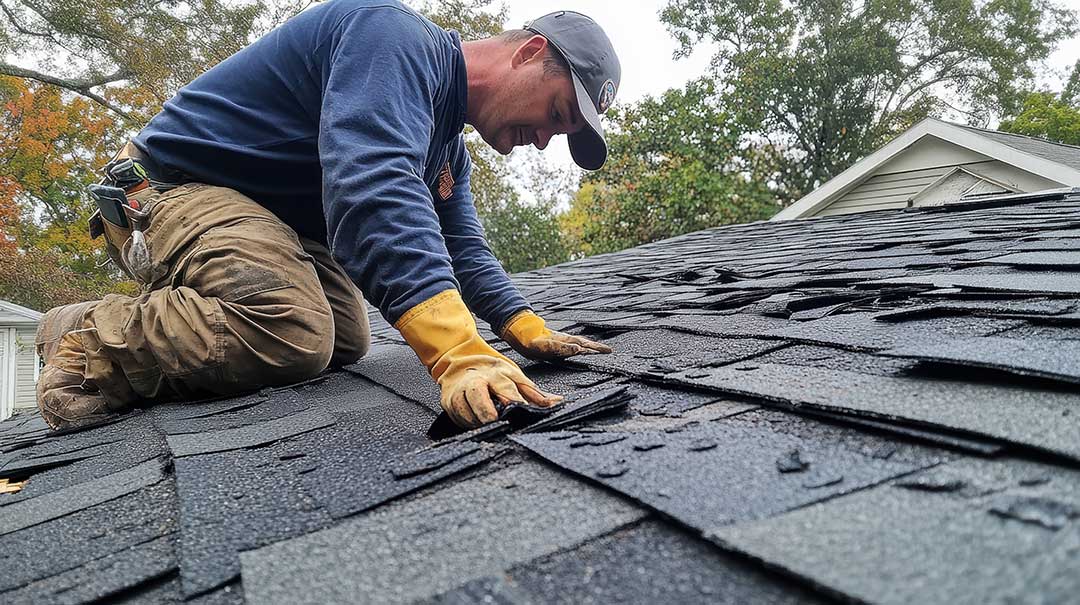
During spring roof checkups or after heavy storms, safely examine for streaks, patches, or musty odors rising from the attic. Use binoculars for a ground assessment if the slope is high or unsafe.
What Misconceptions Lead Area Homeowners to Miss Early Mold or Mildew?
A frequent error is assuming that only older roofs or visibly failing shingles get mold or mildew. Even newly installed roofs in the city can develop growths in a single season if conditions are ripe. Other misconceptions include:
- Believing that all dark streaks are just dirt or soot from local roads or rail lines
- Thinking freezing winter temperatures will kill or remove existing mold
- Confusing moss with mildew and using the wrong cleaning approach
- Overlooking the undersides of eaves or porch roofs
Addressing roof mold early is much easier than removing deeply embedded growths later, especially before summer heat sets in.
How Should Residents Safely Confirm Mold or Mildew?
If unsure, use binoculars or a smartphone camera with a zoom to compare discolored areas from the ground. For minor, accessible patches, flashing a bright light or lightly wiping with a disposable cloth (while wearing gloves and stable shoes) can confirm whether growth is powdery, raised, or slimy.
Avoid pressure washing or heavy chemicals until confirming the substance, as aggressive methods can cause shingle damage or runoff into local yards and gardens.
What Preventive Steps Can Reduce Mold and Mildew Growth Locally?
Preventing conditions that allow spores to thrive is the most effective strategy:
- Trim tree branches to improve sunlight and roof drying
- Clear gutters and downspouts regularly to limit debris buildup
- Sweep or gently rinse off leaves, pine needles, and other organic litter before and after the fall leaf drop or spring pollen season
- Ensure attic ventilation is unobstructed to reduce interior condensation
Installing zinc or copper strips near the peak can help limit future growth in persistently affected areas, as these release trace minerals deadly to spores when it rains.
When Is Mold or Mildew a Potentially Serious Issue?
Small patches or thin streaks rarely present urgent risk, but larger, spreading areas or signs of shingle decay—such as curling, cracking, or exposed roof felt—require prompt attention. If mold is visible indoors, near attic access points, or involves strong odors or soft spots, hidden leaks or ventilation problems may be involved. These cases can affect insulation and structural wood, creating long-term issues for both the home and indoor air quality.
