
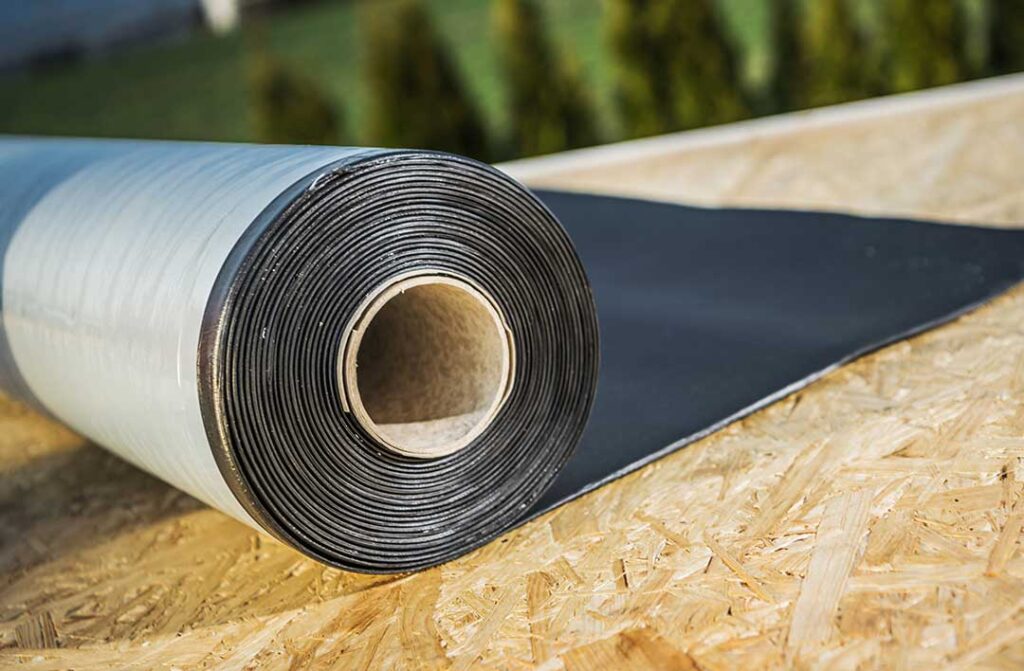
A typical residential roof lasts about 15 to 30 years, but the actual service life depends on the roofing material, installation quality, ventilation, maintenance, and exposure to weather. In Troy, cold winters, snow, ice, wind, summer humidity, and repeated freeze-thaw cycles can all affect how quickly a roof ages.
A roof’s advertised lifespan is a useful planning estimate, not a guarantee. Some roofs need replacement sooner, while well-maintained roofs can remain serviceable beyond their expected range.
How long do common roofing materials last?
The material covering the roof is the biggest factor in its expected lifespan.
- Basic asphalt shingles: About 15 to 20 years
- Architectural asphalt shingles: About 20 to 30 years
- Premium asphalt shingles: Approximately 25 to 40 years, depending on the product and installation
- Metal roofing: Commonly 40 to เป็น70 years, with some systems lasting longer
- Wood shingles or shakes: Often 20 to 30 years with careful maintenance
- Slate roofing: Frequently 50 to 100 years or more
- Built-up or membrane roofing on low-slope roofs: Commonly 15 to 30 years, depending on the membrane and drainage conditions
These ranges assume ordinary weather exposure and proper installation. A roof that repeatedly holds water, lacks adequate ventilation, or has unresolved flashing problems may fail much earlier than the material’s stated rating.
What is the average life of an asphalt shingle roof?
For many homes, an asphalt shingle roof lasts roughly 20 years. Older three-tab shingles are generally at the shorter end of that range, while architectural shingles may last longer when the roof assembly is properly designed and maintained.
The age of the shingles alone does not determine whether replacement is necessary. A 22-year-old roof may still be watertight and stable, while a younger roof may show serious damage after wind, ice, poor installation, or inadequate attic ventilation.
Manufacturers sometimes use terms such as “25-year” or “30-year” shingles. Those labels usually describe expected performance under specified conditions. They do not mean the roof will perform identically for that exact number of years on every house.
How does Troy’s climate affect roof life?
The local climate creates several stresses that matter over time. Winters bring snow, freezing temperatures, and periods of ice or freezing rain. Spring and fall can produce repeated thawing and refreezing, while summer weather adds heat, moisture, and strong sunlight.
Freeze-thaw cycling can enlarge small cracks and loosen aging materials. Snow and ice can also expose weak flashing, valleys, gutters, and roof edges. When warm air escapes into a poorly insulated or poorly ventilated attic, snow may melt unevenly on the roof and refreeze near colder eaves. This can contribute to ice dams and water backing up beneath shingles.
Older homes may also have roof shapes with multiple valleys, dormers, chimneys, or low-slope sections. These details are not automatically a problem, but they create more areas where flashing and drainage need attention.
What causes a roof to wear out early?
Several conditions can shorten the useful life of an otherwise ordinary roof:
- Poor installation, including incorrect shingle fastening or inadequate flashing
- Insufficient attic insulation or ventilation
- Repeated ice dam formation
- Standing water on low-slope sections
- Damaged or blocked gutters and downspouts
- Moss, algae, or organic debris that retains moisture
- Wind damage and missing shingles
- Excessive foot traffic
- Moisture entering around chimneys, skylights, plumbing vents, or roof-wall intersections
- Structural movement or deterioration of the roof deck
Ventilation deserves particular attention in cold climates. The goal is not simply to move air through the attic. The ceiling plane should limit warm, moist indoor air from reaching the roof deck, while insulation and ventilation help maintain more even roof temperatures.
How can someone tell whether a roof is nearing the end of its life?
Age is one clue, but visible and functional conditions are more useful. Warning signs include:
- Shingles that are curled, cracked, brittle, or missing
- Widespread loss of surface granules
- Dark streaks or areas of persistent moss
- Sagging along the roofline or between rafters
- Rusted, loose, or damaged flashing
- Water stains on attic rafters, roof decking, ceilings, or upper walls
- Daylight visible through the roof deck
- Repeated leaks after rain or snow
- Granules collecting in gutters
- Shingles that no longer lie flat
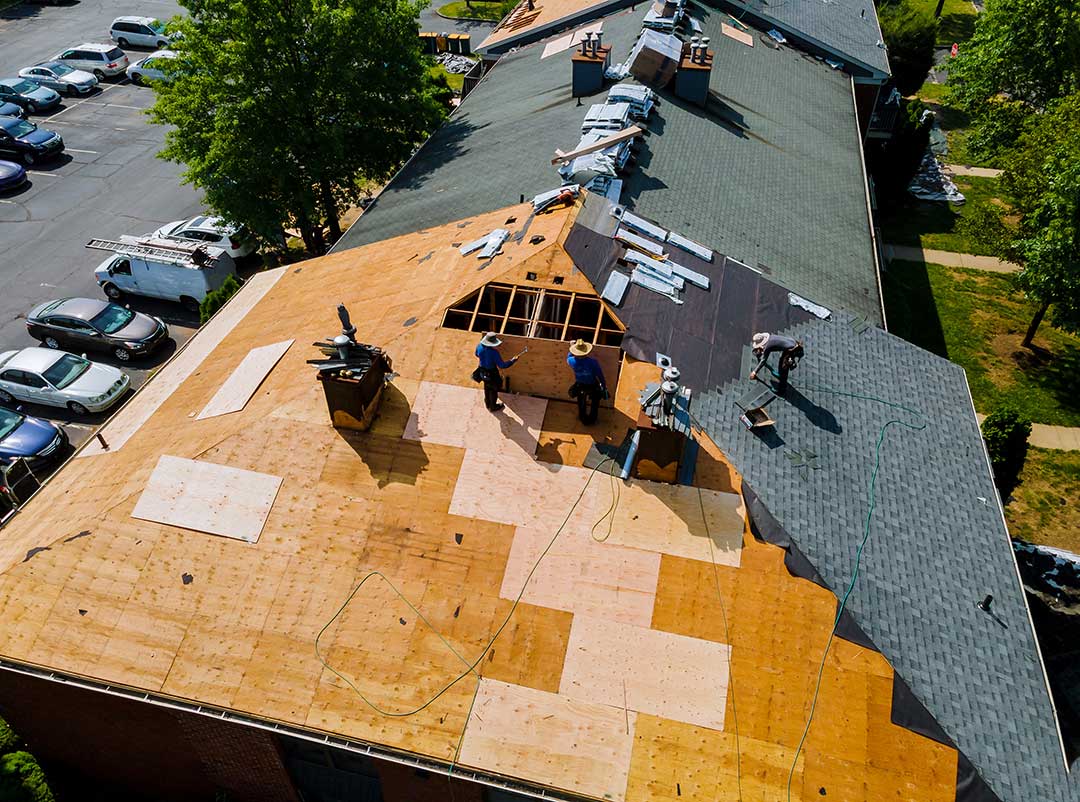
A single missing shingle does not necessarily mean the entire roof needs replacement. Localized damage may sometimes be repairable, especially when the surrounding shingles are in good condition and matching materials are available.
A roof that is visibly sagging, actively leaking near electrical fixtures, or showing exposed decking presents a safety concern and should be assessed promptly.
Can roof maintenance make it last longer?
Routine maintenance cannot stop normal aging, but it can prevent small problems from becoming roof-system failures.
Keep gutters and downspouts clear so water can drain away from the roof. Remove branches and heavy debris that trap moisture or scrape against shingles. After major wind or ice events, look from the ground for missing shingles, displaced metal, or unusual debris.
Attic checks can reveal problems before they appear inside the living space. Look for damp insulation, wet roof decking, frost, musty odors, or signs of repeated condensation. These conditions may point to ventilation, air-sealing, or moisture issues rather than a simple shingle problem.
Avoid pressure washing or walking unnecessarily on asphalt shingles. Both can remove protective granules or damage the surface. Moss should also be handled carefully because aggressive scraping can dislodge shingles.
Does a roof need replacement as soon as it reaches its expected age?
No. The expected lifespan is a decision-making benchmark, not an automatic replacement date.
A roof near the end of its typical range deserves closer inspection, especially before another winter. If the covering remains intact, the roof deck is sound, flashing is functioning, and leaks are absent, continued service may be reasonable. If problems are widespread, repairs are frequent, or moisture has reached the decking and interior structure, replacement may be more practical than repeated patching.
The most useful question is not simply, “How old is the roof?” It is, “How well is the entire roof system performing?”
What should homeowners ask about an older roof?
Before making a decision, gather basic information:
- When was the roof installed?
- What material and product type were used?
- Has the roof ever been covered with an additional layer?
- Have there been leaks, ice dams, or storm repairs?
- Is the attic adequately insulated and ventilated?
- Are the roof deck and flashing still in good condition?
- Are problems isolated or spread across several roof sections?
For homes with slate, metal, or other long-lasting materials, replacement may not be the first option. Individual components, such as flashing or damaged sections, may be repairable while the main roof covering remains serviceable.
Knowing the material, age, roof design, and history of moisture problems provides a much more accurate picture than relying on a standard lifespan number alone.
