
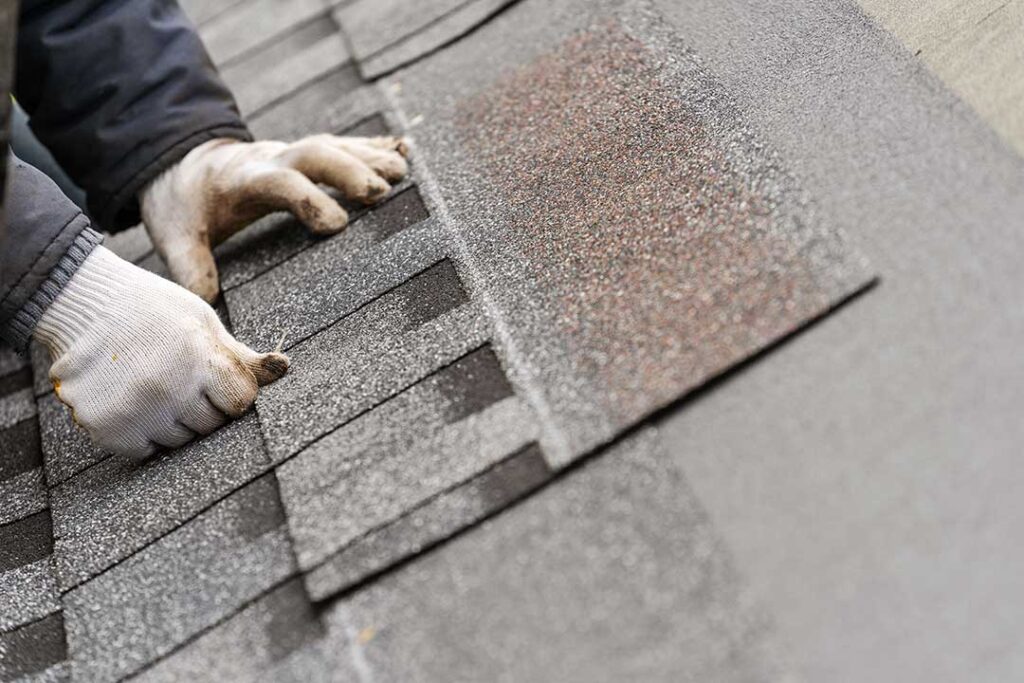
Roof maintenance is easiest when it follows the seasons. In Troy, NY, roofs must handle snow, ice, freeze-thaw cycles, heavy rain, wind, falling leaves, and summer heat. A seasonal checklist helps identify small problems before they become leaks, damaged insulation, or structural repairs.
What should be checked in early spring?
Spring is the right time to look for winter damage and clear away debris left by snow, wind, and ice. Begin with a ground-level inspection, then check the attic and upper ceilings for signs that moisture entered during the colder months.
Look for:
- Missing, cracked, curled, or displaced shingles
- Bent or loosened metal flashing around chimneys, walls, skylights, and roof penetrations
- Sagging gutters or downspouts
- Granules collecting near downspout outlets
- Dark stains, peeling paint, or bubbling plaster on ceilings and upper walls
- Damp insulation, musty odors, or visible mold in the attic
- Branches, leaves, or other debris resting on the roof
A few dark marks on shingles do not always indicate a leak, but staining inside the home deserves attention. Water can travel along rafters or roof decking before appearing far from the original entry point.
Gutters should be cleared after the last major freeze. Check that water flows freely and that downspouts discharge away from the foundation. Do not rest a ladder against the gutter itself, because the added weight can bend or pull it loose.
Spring is also a useful time to examine attic ventilation. Blocked soffit vents, compressed insulation, or disconnected exhaust ducts can trap moisture. A roof that appears sound from outside may still have attic condensation caused by poor airflow or warm household air leaking upward.
How can summer weather affect a roof?
Summer maintenance focuses on heat, intense sunlight, thunderstorms, and tree growth. High temperatures can accelerate aging in roofing materials, while strong storms can expose weaknesses that were not visible during a dry inspection.
After a severe storm, inspect from the ground for:
- Shingles that appear lifted, folded, or missing
- Loose ridge caps or exposed fasteners
- New dents in metal components
- Piles of shingle granules near downspouts
- Broken limbs resting on the roof or touching overhead structures
- Water marks in the attic or on ceilings
Avoid walking on a roof unless the surface is designed for safe access and the person doing the inspection understands the hazards. Shingles can become slippery, brittle, or loose, and steep roof edges create a serious fall risk.
Summer is also a good season to trim back branches that scrape against the roof or shade it so heavily that moisture remains after rain. Branches can damage shingles during wind events, while dense vegetation can drop leaves and seeds into gutters.
Roof penetrations deserve special attention during warm-weather checks. Plumbing vent boots, chimney flashing, skylight edges, and areas around dormers are common locations for deterioration. Sealants may shrink or crack over time, but adding caulk without understanding the underlying flashing problem can provide only temporary results.
What should be done before autumn leaves fall?
Autumn preparation is mainly about drainage and winter readiness. Complete roof and gutter checks before repeated leaf drop and freezing temperatures make access more difficult.
Clear leaves from valleys, roof edges, gutters, and downspouts. Valleys collect runoff from large sections of the roof, so even a modest amount of debris can slow drainage. Standing water near seams and penetrations increases the chance of leaks.
Check that:
- Gutters are firmly attached and slope toward their outlets
- Downspouts are connected and free of obstructions
- Extensions direct water away from the foundation
- Flashing is not lifted or visibly corroded
- Roof surfaces are free of branches and accumulated debris
- Attic insulation is dry and evenly distributed
- Bathroom and kitchen exhaust fans vent outdoors rather than into the attic
Do not assume that a recently replaced roof needs no inspection. Gutters, flashing, ventilation, and roof edges can still be affected by storms, animals, ice, or nearby tree growth.
For older homes, pay attention to unusual roof shapes, additions, enclosed porches, and transitions between different roofing materials. These areas may have more than one drainage path or flashing detail, which can make leaks harder to trace.
How should a roof be prepared for winter?
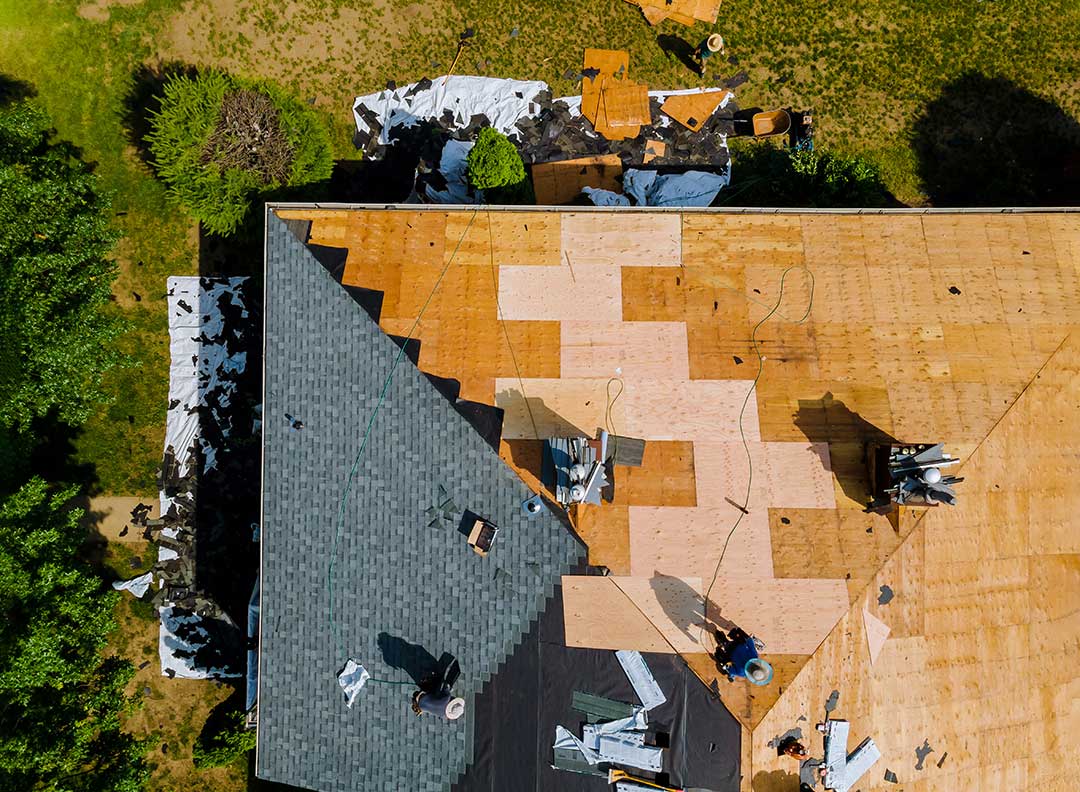
Winter preparation should be completed before substantial snow arrives. The main goals are to reduce moisture entry, maintain drainage, and prevent warm air from escaping into the attic.
Before winter, check the attic for:
- Frost or water droplets on nails and roof decking
- Damp insulation
- Blocked soffit or ridge ventilation
- Gaps around light fixtures, wiring, chimneys, and plumbing penetrations
- Ductwork that is loose, damaged, or poorly insulated
Ice dams form when snow melts on a warmer section of the roof and refreezes near a colder eave. They are not caused simply by snow sitting on the roof. Uneven roof temperatures, air leakage, inadequate insulation, and restricted ventilation can all contribute.
Keeping the attic closer to the outdoor temperature helps reduce repeated melting and refreezing. Air sealing and insulation work should be planned carefully, because blocking ventilation openings or covering recessed lights incorrectly can create separate safety problems.
Before the first major storm, identify safe ways to monitor the roof from the ground. Know where snow sliding from the roof could land, especially above entrances, walkways, driveways, and areas used by children or pets.
Is it safe to remove snow or ice from a roof?
Roof snow and ice removal can be hazardous. Climbing onto a snow-covered roof risks falls, hidden weak spots, and damage to shingles or flashing. Chopping ice with a shovel, axe, or similar tool can also damage roofing materials.
Large accumulations, heavy ice dams, sagging roof lines, falling icicles, or water entering the home require prompt attention because they may present both building and personal safety hazards. Keep people away from areas below falling ice and do not attempt improvised repairs during active storms.
If water is entering the living space, place a container under the drip, move valuables away, and document the location. Do not rely on interior patching as a permanent solution; the source may be several feet away from the visible stain.
How often should a roof be inspected?
A practical routine is a visual check in spring and autumn, with additional inspections after severe wind, hail, heavy snow, or falling branches. The attic should also be checked periodically for moisture, daylight showing through the roof deck, damaged insulation, and signs of pests.
A roof inspection becomes more urgent when there is:
- A new ceiling stain or recurring dampness
- Visible sagging
- Exposed underlayment or roof decking
- Missing shingles or damaged flashing
- Water pooling near the home after rain
- Ice buildup that repeatedly causes leaks
- A roof surface that has reached the later part of its expected service life
Routine maintenance does not prevent every roofing problem, but it improves the chance of finding damage while it is limited to a small area. For residents in Troy, seasonal attention is especially useful because a roof may face several different stress patterns within the same year: wet spring weather, summer storms, falling leaves, heavy snow, and repeated freeze-thaw conditions.
