
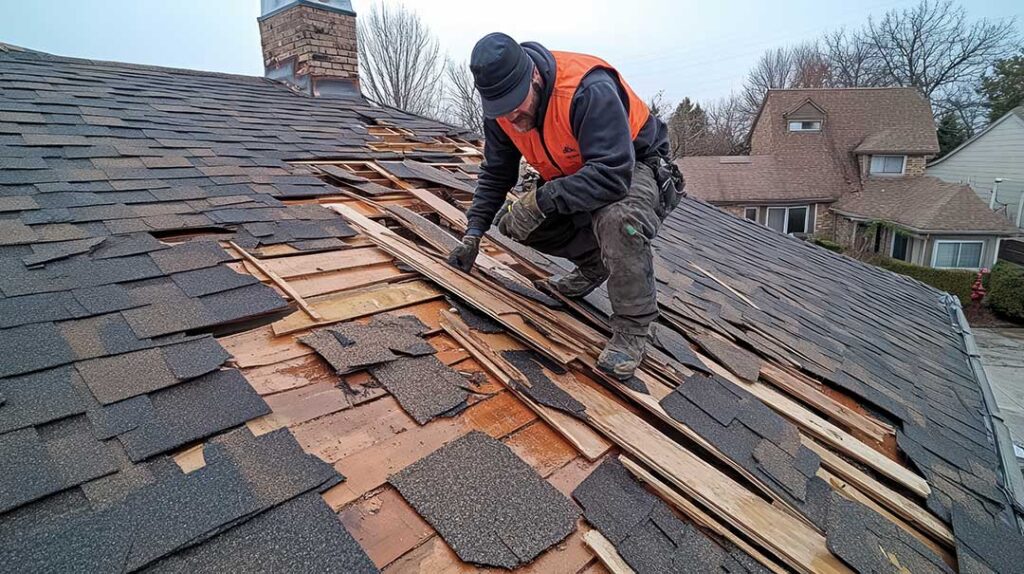
Roof underlayment is the protective layer installed between the roof deck and the outer roof covering. It is not usually visible after construction, but it helps limit water intrusion, protect the decking, and provide an added layer of defense beneath shingles or other roofing materials.
For homes in Troy, NY, underlayment deserves attention because roofs must handle snow, ice, freeze-thaw cycles, wind-driven rain, and occasional summer storms. A roof can appear sound from the ground while its underlayment is worn, improperly installed, or missing in vulnerable areas.
What does roof underlayment do?
Underlayment acts as a secondary water-resistant barrier beneath the primary roof covering. Shingles, metal panels, slate, and other roofing materials shed most water, but no roof covering is completely immune to wind-driven rain, ice, damaged materials, or small installation gaps.
Its main functions include:
- Protecting the roof deck from moisture before the final covering is installed
- Reducing the chance of leaks beneath loosened, cracked, or displaced roofing materials
- Helping shield wood sheathing from repeated wetting
- Providing temporary protection during part of the construction process
- Supporting the roof system around valleys, eaves, penetrations, and other vulnerable locations
Underlayment does not make a roof waterproof by itself. Flashing, drainage, roof slope, ventilation, fasteners, and the outer roof covering all work together as a system.
Where is underlayment installed?
Underlayment is generally placed over the roof deck and beneath the visible roofing material. The roof deck is the structural surface made from materials such as plywood or oriented strand board.
Installation commonly begins near the lower edge of the roof and continues upward in overlapping courses. The overlap allows water to move downward without being directed beneath the sheet below it. Details vary according to roof slope, covering type, manufacturer instructions, and applicable building requirements.
Extra attention is usually given to:
- Eaves, where ice and trapped water may form
- Valleys, where water from two roof sections meets
- Ridges and hips
- Roof edges and rake edges
- Plumbing vents, chimneys, skylights, and wall intersections
- Areas where different roof slopes or materials meet
A small mistake around a penetration or valley can create a leak even when the field of the roof is installed correctly.
What are the main types of roof underlayment?
The three broad categories are asphalt-saturated felt, synthetic underlayment, and self-adhering membrane.
Asphalt-saturated felt
Traditional felt, sometimes called roofing felt, has been used for many decades. It is available in different weights and can provide dependable protection when installed properly. Felt is generally less resistant to tearing and prolonged exposure than many newer products, so it should not be left uncovered longer than the product instructions allow.
Synthetic underlayment
Synthetic sheets are made from engineered polymers. They are usually lighter than felt, resist tearing well, and may be easier to handle across a large roof. Some products have printed alignment markings that help with spacing and fastening.
Synthetic underlayment still requires correct laps, fasteners, and edge treatment. A durable sheet cannot compensate for poor installation or water being directed behind flashing.
Self-adhering membrane
Self-adhering membranes have a pressure-sensitive backing that bonds to the roof deck or another prepared surface. They are often used in areas that need enhanced protection, such as eaves, valleys, and around penetrations.
These membranes can be especially useful in cold-weather roof assemblies, but they must be installed on a clean, suitable surface. Dust, frost, dampness, wrinkles, or improper temperature conditions can weaken the bond.
Why is ice-barrier underlayment important in Troy?
Ice-barrier underlayment is designed to help resist leakage caused by ice dams. An ice dam forms when snow melts on a warmer section of the roof, flows toward a colder eave, and refreezes. The resulting ice can hold water against the roof covering.
That water may work beneath shingles and reach the roof deck or interior walls. An ice barrier does not prevent ice dams from forming, and it does not replace proper attic insulation and ventilation. It is an additional protective measure in areas where winter conditions create a reasonable risk.
Roof geometry matters. Valleys, lower roof sections, overhangs near heated rooms, and sections beneath poorly insulated attic spaces may experience different melting and refreezing patterns on the same house.
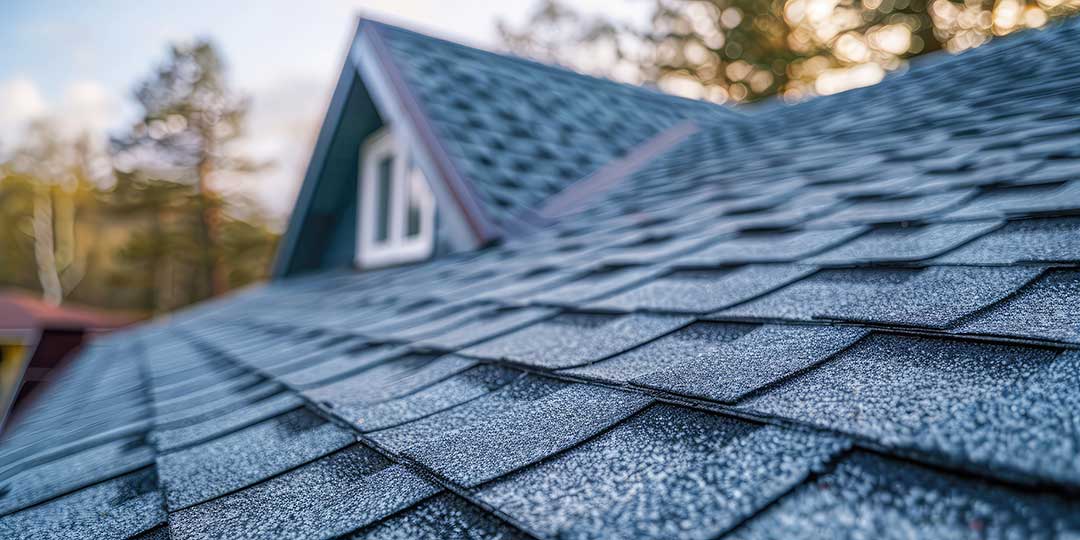
Does every roof need the same underlayment?
No. The correct underlayment depends on the roof covering, slope, climate exposure, deck material, ventilation arrangement, and building requirements.
A steep roof generally sheds water faster than a low-slope roof. Low-slope sections may require different overlap patterns or additional layers. Tile, slate, metal, and asphalt shingles also have different installation requirements.
The age of a home matters as well. Older houses may have roof additions, layered coverings, irregular slopes, or historic materials that require careful evaluation before replacement. A roof that looks simple from the street may contain several different assemblies.
Building requirements can also change over time. In Troy, permits and code compliance may apply to certain roofing alterations, particularly when structural work, substantial improvements, or changes to the roof assembly are involved. The applicable rules should be checked before work begins rather than assumed from an older installation.
What happens when underlayment fails?
Failed underlayment may allow moisture to reach the roof deck even if the shingles are not visibly missing. Warning signs can include:
- Brown or yellow ceiling stains
- Damp attic insulation
- Musty odors
- Soft or discolored roof decking
- Water near roof penetrations
- Peeling paint near upper walls or ceilings
- Repeated leaks during wind-driven rain or melting snow
Underlayment problems are often difficult to diagnose from inside the home because water can travel along rafters, decking, insulation, or framing before appearing indoors. A stain may be several feet away from the actual entry point.
A roof covering that is near the end of its service life may have underlayment with similar age and exposure. Replacing visible shingles while leaving damaged or brittle underlayment beneath them may provide only a temporary improvement.
Can underlayment be inspected without removing the roof?
Sometimes, but not completely. Attic access may reveal exposed decking, dampness, staining, rusted fasteners, or daylight through gaps. These observations can indicate a problem, but they do not show the condition of all underlayment across the roof.
During a roof replacement, the underlayment is easier to evaluate because the roof covering is removed. The roof deck can then be checked for rot, delamination, sagging, or inadequate fastening before new layers are installed.
Homeowners should be cautious about walking on roofs, especially in cold weather, after rain, or when surfaces are steep or covered with moss. Falls and roof damage are real hazards.
How should homeowners think about underlayment?
Underlayment is best understood as one part of a complete roof drainage and moisture-control system. It should be compatible with the roof covering, installed with proper overlaps and fastening, and integrated with flashing at every vulnerable transition.
For local homes, the most relevant questions are whether the roof can manage snow and ice, whether water is being directed away from eaves and valleys, and whether older materials have deteriorated beneath the visible surface. Understanding those details makes it easier to interpret roof inspections, repair recommendations, and the condition of an aging roof assembly.
