
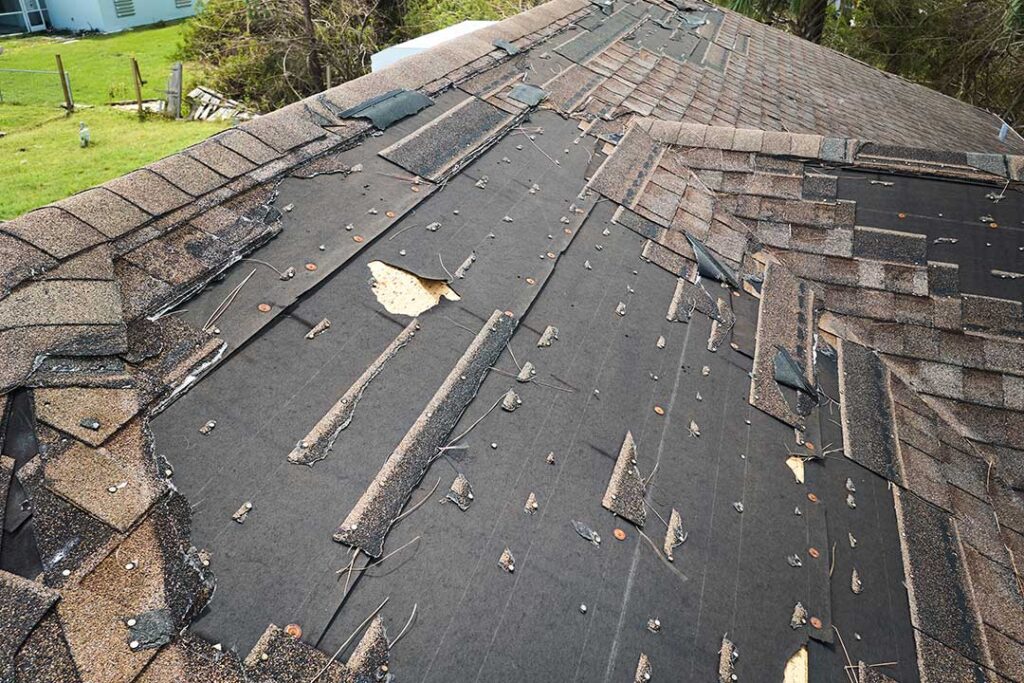
Why Does Routine Roof Maintenance Matter for Troy, NY Homes?
Regular roof upkeep helps Troy residents guard against water damage, ice dams, and premature wear caused by the area’s distinctive weather patterns. The city experiences heavy snowfall in winter, spring thaws, summer storms, and significant leaf fall during autumn—each season introduces its own risks to roof health. Even simple, routine care can prevent major repairs and extend a roof’s useful life, saving time and stress in the long run.
What Are the Safest Ways to Inspect Your Roof Yourself?
Begin with a thorough visual inspection from the ground using binoculars before considering any ladder use. Look for:
- Missing, curling, or cracked shingles
- Damaged or loose flashing around vents, chimneys, and skylights
- Sagging areas or signs of rot
- Moss, lichen, or algae growth
If it’s necessary to get on a ladder, always ensure it is on stable, flat ground and do not climb during icy or windy conditions. Roof inspections after heavy snow, wind events, or rapid temperature shifts help locals spot small problems early.
How Should You Handle Debris and Gutter Cleaning?
Leaves, twigs, and pine needles often collect on rooftops and in gutters, especially after Troy’s autumn leaf drop or windy spring storms. Left unchecked, this debris can block water flow and exacerbate ice damming. Safely clearing gutters helps prevent water from backing up under shingles.
- Use gloves and a small scoop to clear gutters, rinsing with a garden hose when possible.
- Haul debris from roofs using a soft-bristled broom or blower—never metal tools, which can damage shingles.
- Always keep ladder safety in mind: maintain three points of contact, and avoid overreaching.
- Be extra cautious if roofs remain damp from overnight dew or melting snow.
What DIY Fixes Are Suitable for Typical Roof Issues?
Some minor roof concerns can be addressed by homeowners, provided working at height is safe and comfortable. For instance:
- Sealing small nail holes or gaps in flashing with roofing caulk
- Gently fastening down loose shingles with a dab of roofing cement under the edges
- Replacing missing shingles, ensuring proper overlap and matching direction with the existing pattern
Avoid attempting repairs on steep, tall, or complex roofs—these situations often present unacceptable safety risks. Roofs with structural sagging, active leaks into the home, or major storm damage should also be left for professional evaluation.
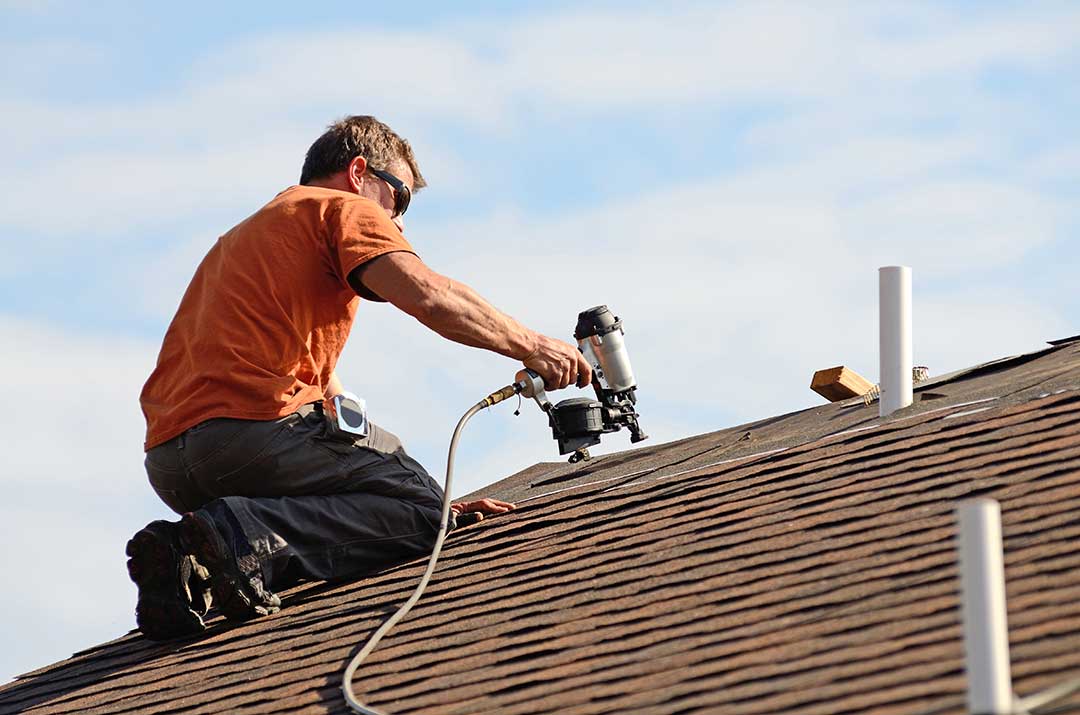
How Can Troy Residents Prevent Ice Dams in Winter?
Ice dams are a frequent winter concern across Troy, forming when attic heat melts rooftop snow that refreezes at the eaves. This can force water beneath shingles, leading to interior damage.
Effective prevention strategies include:
- Keeping roof and attic insulation up to local standards to reduce heat loss
- Frequently removing snow from the lower edges of roofs with a roof rake (while standing safely on the ground)
- Ensuring attic ventilation is unblocked so cold air freely circulates
Avoid chipping away at ice dams from above, as this can puncture shingles and gutters.
Are There Risks in Neglecting Seasonal Roof Checks?
Delaying seasonal maintenance means Troy homes are susceptible to hidden leaks, mold, and wood rot—problems that often start small and go unnoticed until extensive repairs are necessary. Moss and algae growth, which thrive in damp spring and fall months, can gradually eat away at shingle surfaces. Fallen branches from storms can create punctures that grow worse as freeze-thaw cycles expand existing openings.
By watching for these risks routinely, residents are more likely to catch early warning signs and protect both their roof and the home’s underlying structure.
How Do Local Climate and Housing Styles Affect Roof Care?
Troy’s climate, with wide seasonal swings and historic as well as newer homes, shapes roof maintenance timing and techniques. Older homes in the city’s historic areas often have slate or tile roofs, which require different care than newer asphalt shingles. Tile and slate are more brittle; avoid walking directly on these surfaces, and focus on visual checks.
Because of the city’s snow-heavy winters and leafy autumns, gutter cleaning and snow removal are emphasized maintenance tasks. Frequent freeze-thaw cycles can stress even newer roofing materials, making extra midwinter checks worthwhile.
Which Tasks Should Homeowners Avoid for Safety and Compliance?
Strong winds and icy conditions common in the city can make even flat, single-story roofs hazardous. Homeowners should not attempt to walk on steep, high, or slippery roofs; instead, use ground-based inspection techniques and limit direct access only to times of dry, calm weather. Complex repairs—including replacing large roof sections or resolving deep structural rot—require skills and equipment beyond typical DIY scope. Local building codes must be followed for major roof work, and in some cases, notification of the city is necessary, particularly in protected historic districts.
