
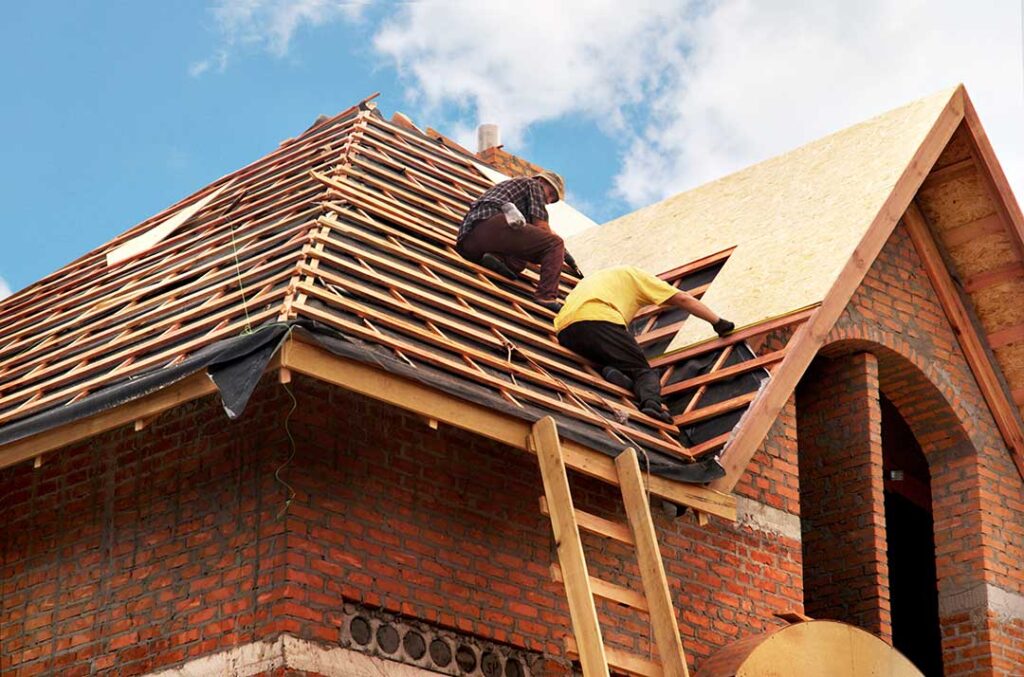
Roof problems rarely become expensive all at once. A small leak, lifted shingle, blocked drainage path, or failing flashing detail may seem manageable at first, but water usually continues moving after it enters the roof system. By the time damage is visible indoors, the repair may involve insulation, ceilings, wall materials, wiring, or structural wood—not just the roofing surface.
For homeowners in Troy, NY, seasonal weather makes early attention especially valuable. Freeze-thaw cycles, snow, wind, spring rain, summer heat, and falling branches can all expose or worsen weak points.
How does a minor roof problem become a major repair?
A roof issue becomes costly when water has time to travel, soak materials, and remain hidden. Roofing problems are often deceptive because the location of the indoor stain may be several feet away from the actual entry point.
A small opening around a vent, chimney, skylight, or roof edge can allow repeated moisture entry. Water may run beneath shingles, along roof decking, through insulation, or down framing before appearing on a ceiling.
The progression often looks like this:
- A damaged shingle or seam allows limited water entry.
- Roof decking begins absorbing moisture.
- Insulation becomes damp and loses effectiveness.
- Ceiling or wall finishes discolor or soften.
- Wood framing may swell, decay, or support mold growth.
- Repeated wetting increases the repair area.
A bucket under a drip may control the immediate mess, but it does not stop concealed damage. Covering a ceiling stain with paint can also hide warning signs without correcting the source.
What expenses can develop beyond the roof itself?
The true cost of neglect includes both visible repairs and secondary damage. The longer moisture remains active, the more building materials may need to be removed and replaced.
Potential costs may include:
- Replacement of shingles, underlayment, flashing, or roof decking
- Interior ceiling and wall repairs
- Wet insulation removal
- Damaged trim, flooring, or cabinetry
- Electrical inspection if water reaches wiring or fixtures
- Treatment or removal of mold-contaminated materials
- Repairs to rafters, trusses, or other structural wood
- Temporary protection after storm damage
- Cleanup and disposal of saturated materials
A roof repair that might have remained limited to one area can become a broader building repair after several storms or months of freeze-thaw movement. Moisture can also create odors and indoor comfort problems long before damage looks severe.
Why is winter weather especially hard on neglected roofs?
Cold weather does not create every roof problem, but it can accelerate existing weaknesses. Snow adds weight, while ice and repeated temperature changes place stress on shingles, flashing, gutters, and roof edges.
Ice dams are a common concern in cold climates. They can form when heat escapes into the attic and melts snow on warmer sections of the roof. Meltwater may refreeze near colder eaves, creating a barrier that pushes water beneath roofing materials.
Neglected drainage problems can make this worse. Leaves, sediment, and ice may obstruct gutters or downspouts, causing water to back up near roof edges and fascia boards. Persistent moisture can damage painted wood, loosen fasteners, and reach wall cavities.
Winter also makes emergency repairs more difficult. Snow, ice, short daylight hours, and unsafe roof surfaces can delay inspection or temporary protection. A problem discovered during a storm may require immediate attention simply to prevent additional interior damage.
Can a roof leak cause health or indoor air problems?
Yes. A roof leak can contribute to damp materials and poor indoor conditions, especially when moisture remains hidden.
Mold does not require a dramatic flood. Repeated small leaks can keep insulation, wood, drywall, or attic materials damp enough to support growth. Musty odors, recurring stains, peeling paint, bubbling drywall, and unexplained humidity may indicate moisture that has not fully dried.
Roof-related dampness can also reduce insulation performance. Wet insulation does not function normally, which may lead to colder rooms, uneven temperatures, or higher heating and cooling demand. In older homes, hidden moisture may affect several connected materials before it becomes obvious.
A ceiling that feels soft, sags, or shows active dripping deserves prompt attention. Water near light fixtures, outlets, or electrical equipment creates a separate safety concern because moisture can affect electrical components.
Does insurance always pay for ignored roof damage?
No. Coverage depends on the policy, the cause of damage, the timing, and whether the condition is considered sudden or the result of long-term wear or neglect.
Storm-related damage may be treated differently from deterioration caused by age, deferred maintenance, repeated seepage, or inadequate repairs. Insurance policies may also distinguish between damage to the roof and damage to the interior.
Documentation can help clarify what happened. Useful records may include:
- Dated photographs of the roof and interior staining
- Notes about when leaking or visible damage was first observed
- Records of severe weather
- Previous repair information
- Receipts for materials or temporary protection
- Photographs taken before and after emergency measures
A policy should be read carefully rather than assuming that every leak or storm problem is covered. Preventive maintenance and insurance coverage are separate issues.
Which roof warning signs should not be ignored?
Some symptoms call for prompt evaluation because they may indicate active water entry or structural weakness.
Watch for:
- Missing, cracked, curled, or displaced shingles
- Exposed underlayment or roof decking
- Granules collecting in gutters or downspouts
- Rusted, separated, or loose flashing
- Sagging roof lines or soft roof edges
- Dark attic wood or damp insulation
- Ceiling stains that grow after rain
- Peeling paint near upper walls or ceilings
- Water around light fixtures
- Gutters pulling away from the roofline
- Daylight visible through attic roofing
Not every warning sign requires the same response. A few aging shingles may indicate localized maintenance, while sagging, active leaking, or exposed structural materials can signal a more urgent hazard.
What can homeowners safely check from the ground?
Ground-level observation is useful and safer than climbing onto a wet, icy, or steep roof. After a storm, look from the yard or nearby windows for missing materials, unusual roof depressions, loose gutters, fallen branches, and debris concentrated in one area.
Inside the attic, only if access is safe, look for damp insulation, darkened wood, water trails, or daylight. Avoid stepping between ceiling joists because attic flooring is often incomplete. Do not touch wet electrical equipment or enter areas with obvious structural instability.
Roof surfaces become particularly hazardous during snow, frost, rain, and high winds. Safety should take priority over confirming the exact location of a defect.
How can the cost of neglect be reduced?
The most effective approach is to address small signs before they become repeated water events. After major wind, heavy rain, or snow, a visual check from the ground can reveal changes that were not present before.
Keep drainage paths reasonably clear, trim branches that threaten the roof, and investigate interior stains rather than covering them cosmetically. Maintain records of roof age, repairs, storm observations, and recurring trouble spots.
The central financial lesson is simple: roof damage is usually less expensive when the repair is limited to the original failure. Once water reaches insulation, interior finishes, wiring, or structural wood, the roof becomes only one part of the problem.
